
Happiness & Success
Achieving Happiness Through Acceptance of Life
The quest for happiness often leads to frustration, as many fail to realize that the...








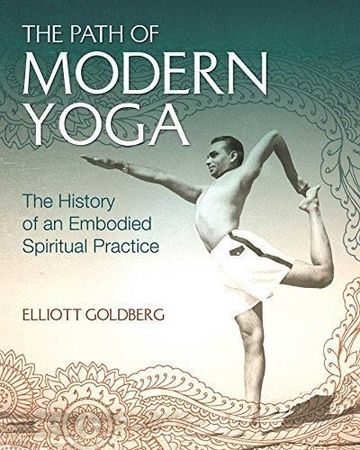
Modern yoga practice has become a global phenomenon, embraced by millions as a pathway to physical health, mental clarity, and spiritual awakening. Yet few practitioners understand the fascinating and often surprising journey that transformed an ancient Indian spiritual discipline into the widely accessible wellness practice we know today. This comprehensive exploration reveals how yoga evolved through a remarkable process of cultural exchange, reinvention, and adaptation over the past 150 years.
What emerges is a story far more complex and intriguing than the simple narrative of an unchanging ancient tradition being passed down through the centuries. Instead, readers discover how yoga was essentially reimagined in the modern era through a dynamic interplay between East and West, tradition and innovation, spirituality and physicality. The transformation involved influential teachers, visionary reformers, pioneering women, body culture enthusiasts, and spiritual seekers from multiple continents, all contributing to the creation of something genuinely new while claiming connections to ancient wisdom.
The journey begins in nineteenth-century India, where yoga was largely a marginalized practice associated with renunciants and ascetics, quite different from the respectable, health-oriented discipline it would become. Through meticulous research and compelling narrative, the evolution unfolds through key historical moments and personalities who shaped yoga's metamorphosis. Readers learn how physical culture movements in Europe, particularly Swedish gymnastics and bodybuilding, profoundly influenced the development of postural yoga. This cross-cultural pollination created hybrid practices that blended Indian philosophical concepts with Western approaches to physical fitness and therapeutic exercise.
Read more ▼
Kathryn Andries

How to help children through a parent's serious illness
Kathleen McCue

Reader's Digest Association

Ann Louise Gittleman
The quest for happiness often leads to frustration, as many fail to realize that the...

Reaching sixty can evoke complex emotions, blending relief with ongoing ambition. This...

The quest for life's purpose often leads to unsatisfactory answers. This article...

Romantic love is a complex emotion shaped by historical, cultural, and biological...

Imagine going through one of the most physically and emotionally demanding experiences...

Daily actions often conflict with personal beliefs due to past experiences. By utilizing...

Have you ever argued over something that wasn't actually said? From cultural differences...

Therapists often use dream interpretation to delve into patients' emotions, but true...