
Happiness & Success
Achieving Happiness Through Acceptance of Life
The quest for happiness often leads to frustration, as many fail to realize that the...








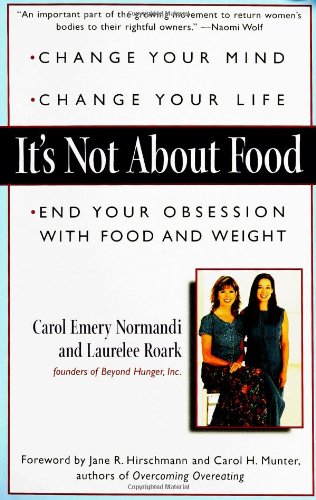
For decades, millions of people have struggled with their relationship to food, caught in cycles of dieting, weight loss, and regain that leave them feeling defeated, ashamed, and disconnected from their own bodies. What if the solution to ending this painful struggle has nothing to do with willpower, calorie counting, or the latest nutritional trend? What if the key to peace with food and your body lies in understanding that compulsive eating is not really about food at all?
This groundbreaking work challenges everything our culture has taught us about eating, weight, and self-control. Rather than offering yet another diet plan or set of food rules, it presents a revolutionary approach that recognizes compulsive eating as a sophisticated survival mechanism—a way of coping with difficult emotions, unmet needs, and the challenges of being fully present in our lives. Through compassionate exploration and practical guidance, readers discover how to address the real issues underlying their eating patterns instead of simply trying to control their food intake.
At the heart of this transformative approach is the understanding that our bodies possess innate wisdom about what, when, and how much to eat. Before diet culture convinced us otherwise, we knew how to trust our natural hunger and fullness signals. Children eat when hungry and stop when satisfied, moving through their days without obsessing over every bite. Somewhere along the way, many of us learned to override these internal signals, replacing body wisdom with external rules and restrictions. The path back to harmony involves reclaiming this lost connection and learning to listen to what our bodies truly need.
Read more ▼
Larry Clapp
Robert Bruce
Annemarie Colbin

Joe Studwell
The quest for happiness often leads to frustration, as many fail to realize that the...

Reaching sixty can evoke complex emotions, blending relief with ongoing ambition. This...

The quest for life's purpose often leads to unsatisfactory answers. This article...

Romantic love is a complex emotion shaped by historical, cultural, and biological...

Imagine going through one of the most physically and emotionally demanding experiences...

Daily actions often conflict with personal beliefs due to past experiences. By utilizing...

Have you ever argued over something that wasn't actually said? From cultural differences...

Therapists often use dream interpretation to delve into patients' emotions, but true...