
Happiness & Success
Achieving Happiness Through Acceptance of Life
The quest for happiness often leads to frustration, as many fail to realize that the...









A cancer diagnosis can shake the very foundation of a person's existence, but what if this devastating moment could also become a gateway to profound personal transformation? This groundbreaking work explores the revolutionary concept that serious illness, particularly cancer, can serve as a powerful catalyst for examining one's life, reconnecting with authentic purpose, and ultimately discovering paths to healing that extend far beyond conventional medical treatment.
Drawing from decades of clinical experience working with cancer patients, this exploration challenges the traditional view of illness as simply a biological malfunction requiring only physical intervention. Instead, readers discover a comprehensive approach that recognizes the intricate connections between mind, body, emotion, and spirit in both the development of disease and the journey toward wellness. The central thesis presents a compelling argument: that many individuals develop cancer during periods when they have lost touch with their deepest selves, their passions, and their reasons for living fully.
The work guides readers through a process of deep self-inquiry, asking fundamental questions about how one has been living, what compromises have been made, and what aspects of authentic self-expression have been suppressed or abandoned. This isn't about blaming patients for their illness, but rather about empowering them to explore whether they have been living in ways that truly nourish their spirit and honor their unique path in life. The exploration reveals how years of denying one's true nature, suppressing creativity, or living according to others' expectations can contribute to a decline in the body's natural healing capacities.
Read more ▼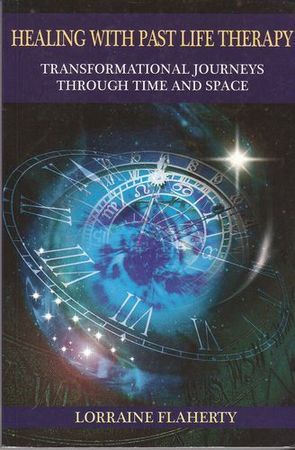
Healing with Past Life Therapy
Lorraine Flaherty
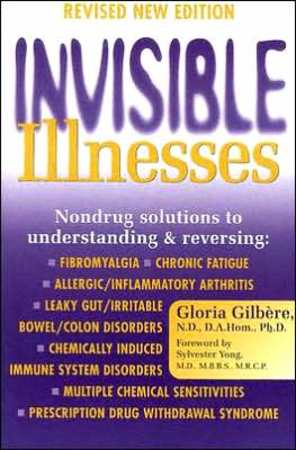
Gloria Gilbere

The complete idiot's guide to tʻai chi & qigong
Bill Douglas

Electronic health records and medical big data
Sharona Hoffman
The quest for happiness often leads to frustration, as many fail to realize that the...

Reaching sixty can evoke complex emotions, blending relief with ongoing ambition. This...

The quest for life's purpose often leads to unsatisfactory answers. This article...

Romantic love is a complex emotion shaped by historical, cultural, and biological...

Imagine going through one of the most physically and emotionally demanding experiences...

Daily actions often conflict with personal beliefs due to past experiences. By utilizing...

Have you ever argued over something that wasn't actually said? From cultural differences...

Therapists often use dream interpretation to delve into patients' emotions, but true...