
Happiness & Success
Achieving Happiness Through Acceptance of Life
The quest for happiness often leads to frustration, as many fail to realize that the...








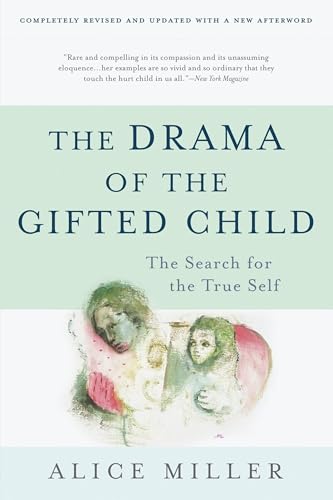
Many of us enter our most intimate relationships carrying invisible wounds from childhood, patterns so deeply embedded that we mistake them for our true selves. We wonder why we struggle with genuine intimacy, why we feel compelled to please others at the expense of our own needs, or why we cannot access our authentic feelings even when we desperately want to connect. The answers to these puzzles often lie in a paradox: the very sensitivity and perceptiveness that made us attuned to our parents' emotional needs as children became the source of our deepest suffering.
This groundbreaking work reveals how children who were emotionally gifted, intuitive, and sensitive often became the emotional caretakers in their families. These children learned early to read their parents' moods, to anticipate their needs, and to shape themselves into whatever was required to maintain connection and approval. They developed a "false self" that was highly successful by external measures but fundamentally disconnected from their genuine emotions, needs, and desires. This dynamic creates adults who may appear confident and accomplished yet feel empty inside, who can nurture everyone except themselves, and who struggle to form relationships based on authentic mutuality rather than unconscious role-playing.
At the heart of this exploration lies a profound truth about emotional development: children need to be seen, accepted, and loved for who they truly are, not for what they can do or how well they can meet adult needs. When parents are unable to provide this unconditional mirroring because of their own unresolved wounds, children learn to suppress their true feelings and develop what appears to be remarkable maturity and self-sufficiency. Yet this precocious adaptation comes at an enormous cost. The anger at being used, the grief of not being truly known, and the terror of abandonment all get buried beneath a facade of competence and care for others.
Read more ▼
M. J. Abadie

Karen Bentley
Marshall B. Rosenberg, Deepak Chopra, Magiarí Díaz Díaz, Alan Rafael Seid Llamas, Rosenberg

Sandy Goodman
The quest for happiness often leads to frustration, as many fail to realize that the...

Reaching sixty can evoke complex emotions, blending relief with ongoing ambition. This...

The quest for life's purpose often leads to unsatisfactory answers. This article...

Romantic love is a complex emotion shaped by historical, cultural, and biological...

Imagine going through one of the most physically and emotionally demanding experiences...

Daily actions often conflict with personal beliefs due to past experiences. By utilizing...

Have you ever argued over something that wasn't actually said? From cultural differences...

Therapists often use dream interpretation to delve into patients' emotions, but true...