

Happiness & Success
Achieving Happiness Through Acceptance of Life
The quest for happiness often leads to frustration, as many fail to realize that the...









At the heart of this masterful Edwardian novel lies a profound exploration of class division, economic inequality, and the struggle for social justice that remains startlingly relevant to contemporary political discourse. Set against the backdrop of early twentieth-century England, the narrative weaves together the lives of three families representing distinct social strata, creating a tapestry that illuminates the invisible barriers separating human beings and the transformative potential of connection across these divides.
The intellectual and spiritually-minded Schlegel sisters embody progressive values and cultural refinement, advocating for beauty, personal relations, and social consciousness. Through their eyes, readers encounter a searching examination of what it means to live an examined life committed to both aesthetic appreciation and ethical responsibility. Their worldview champions the life of the mind and spirit, yet the story challenges them to move beyond abstract ideals toward concrete engagement with material reality and the suffering of those less fortunate.
Contrasting sharply with this progressive ethos, the Wilcox family represents the capitalist establishment: pragmatic, business-oriented, and firmly rooted in conventional Victorian values. They are empire builders and wealth accumulators who pride themselves on practical action over contemplation. Through this family, readers confront uncomfortable questions about economic power, inheritance, and the moral obligations that accompany privilege. The tension between these two families becomes a microcosm for larger societal conflicts between tradition and progress, masculine and feminine values, material security and spiritual fulfillment.
Read more ▼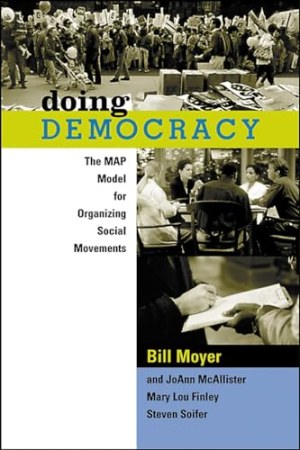
Moyer, Bill

孙武, Stephen F. Kaufman, Lionel Giles, Onésimo Colavidas

How quantum activism can save civilization
Amit Goswami
The quest for happiness often leads to frustration, as many fail to realize that the...

Reaching sixty can evoke complex emotions, blending relief with ongoing ambition. This...

The quest for life's purpose often leads to unsatisfactory answers. This article...

Romantic love is a complex emotion shaped by historical, cultural, and biological...

Imagine going through one of the most physically and emotionally demanding experiences...

Daily actions often conflict with personal beliefs due to past experiences. By utilizing...

Have you ever argued over something that wasn't actually said? From cultural differences...

Therapists often use dream interpretation to delve into patients' emotions, but true...