
Happiness & Success
Achieving Happiness Through Acceptance of Life
The quest for happiness often leads to frustration, as many fail to realize that the...








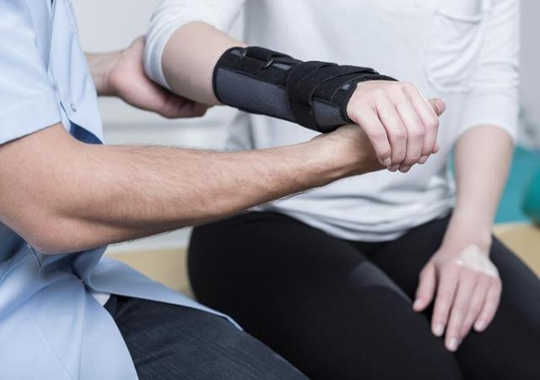 Postmenopausal women at the highest genetic risk for fractures benefit the most from hormone therapy, research shows.
 A set of snap-together glasses will help doctors demonstrate the effects of diabetic retinopathy, an eye disease that can result from uncontrolled diabetes and lead to blindness.
 Gut bacteria could influence whether or not babies survive infections of the digestive system, new research with mice suggests.
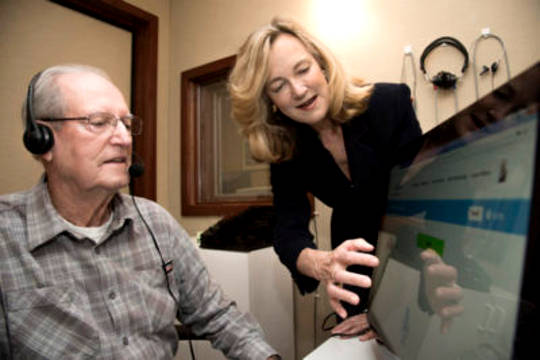 As people with hearing loss work to improve their speech recognition, a familiar voice may work better than a generic one, research shows.
 A small number of people—about 6 percent—who had not been taking opioids before an operation, but got them to ease post-surgery pain, are still taking painkillers three to six months later. That’s long after what is considered normal for surgical recovery.
 People with symptoms of depression may not feel like socializing, but doing something fun with friends can improve mood, a new study shows.
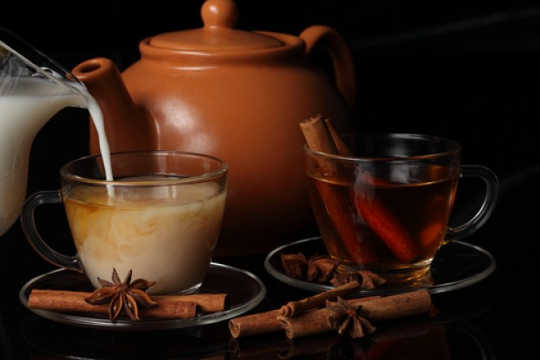
A recent study reveals that drinking tea can significantly lower the risk of cognitive impairment, with a 50% reduction overall and up to 86% for older adults at genetic risk for Alzheimer's. This simple lifestyle change may offer a promising avenue for dementia prevention as current pharmacological treatments remain inadequate.
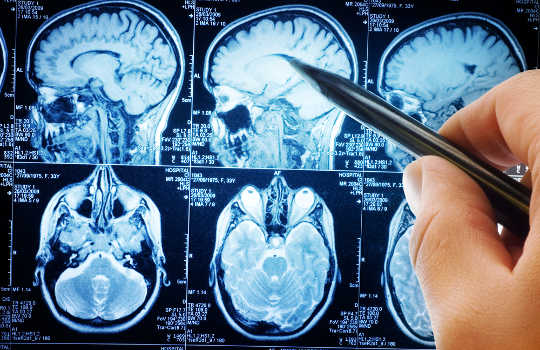 Specific patterns of activity on brain scans may help clinicians identify whether psychotherapy or antidepressant medication is more likely to help a patient recover from depression.

Continuing or initiating cigarette use after stopping the use of illicit drugs is linked to an increased likelihood of substance use relapse, research shows.
 Gum disease and tooth loss may be associated with a higher risk of death among postmenopausal women, according to a new study.
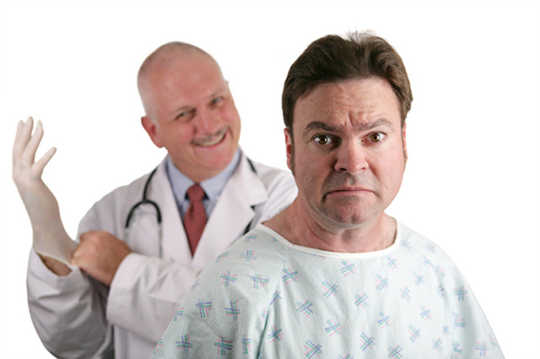 A blood test that helps screen for prostate cancer is still common, but conversations between patients and doctors about the pros and cons of the screening are not.
 People who feel lonely are likely to think their cold symptoms are more severe than those who have strong friendships and social networks.
 Older adults who have fallen for scams by friends, relatives, or strangers behave just as their peers who have avoided rip-offs do
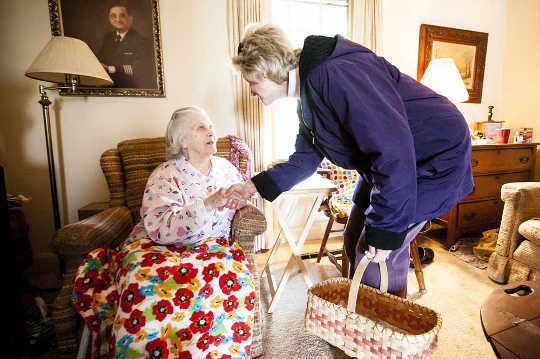 Food scarcity and poor oral health are the major causes that lead older adults suffering from malnutrition
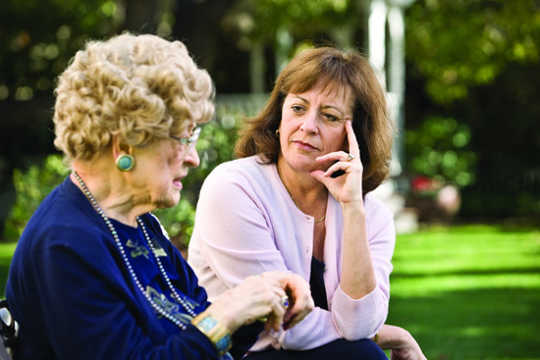
Too few older adults make end-of-life medical decisions ahead of time—and even when they do identify a loved one to make decisions for them, their wishes may remain unclear.
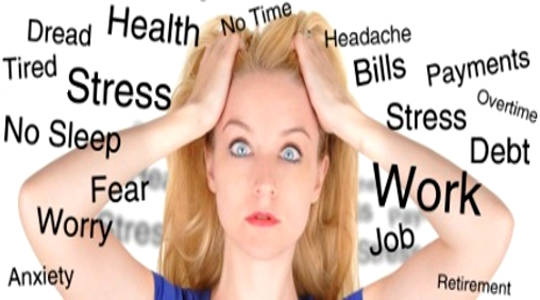 The first person to identify the effects of chronic stress was Hungarian scientist Hans Selye. From Selye’s point of view, stress itself was neither good nor bad—it was simply challenging. He believed that without any stress at all, life would be pretty boring...
 Scientists say removing ovaries during a hysterectomy could increase a woman’s risk for heart disease, cancer, and premature death.
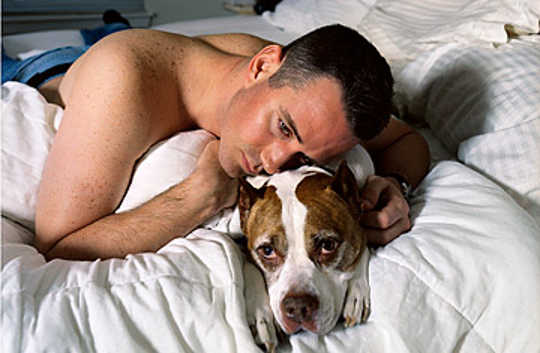 Public understanding of the needs of military veterans has focused largely post-traumatic stress disorder, traumatic brain injuries, suicide rates, and poor conditions at the Walter Reed Army Medical Center.
 Estimates suggest that patients receive topical antibiotics for 40 percent of eczema flares, but a new study suggests there is no meaningful benefit from the use of either oral or topical antibiotics for children who are clinically infected with the condition.
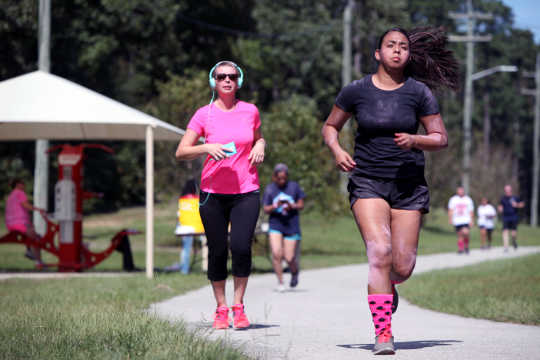 Exercise and/or psychological therapy work better than medications to reduce cancer-related fatigue and should be recommended first to patients, say researchers.
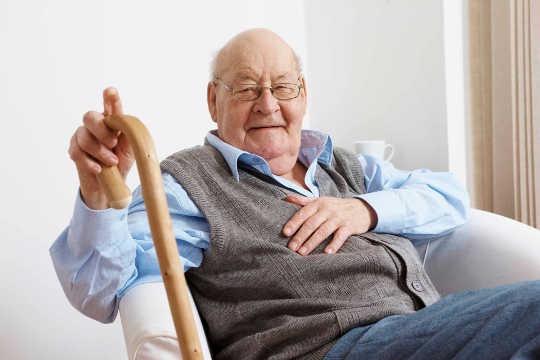 Older adults who go to the emergency department for an illness or injury are at increased risk for disability and decline in physical abilities up to six months later, research shows.
The quest for happiness often leads to frustration, as many fail to realize that the...

Reaching sixty can evoke complex emotions, blending relief with ongoing ambition. This...

The quest for life's purpose often leads to unsatisfactory answers. This article...

Romantic love is a complex emotion shaped by historical, cultural, and biological...

Imagine going through one of the most physically and emotionally demanding experiences...

Have you ever argued over something that wasn't actually said? From cultural differences...

Daily actions often conflict with personal beliefs due to past experiences. By utilizing...

Therapists often use dream interpretation to delve into patients' emotions, but true...