

Culture Wars
Monkey See, Monkey Do: How Corruption, Inequality, and Self-Interest Threaten Civilization
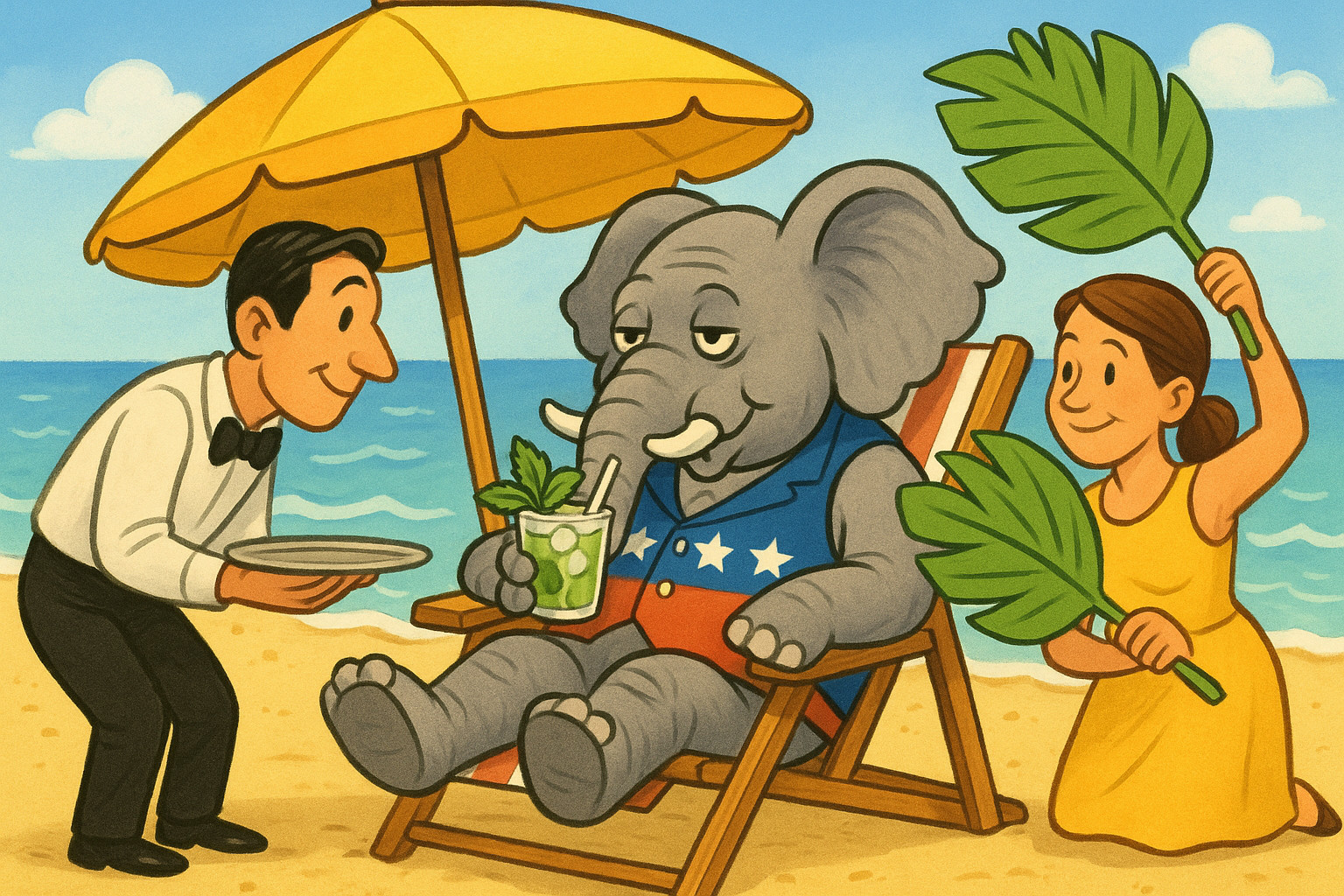
Alan Greenspan spent decades as the most powerful economist on earth, genuflecting at the altar of Ayn Rand and insisting that banks would regulate themselves because...










 What is the one thing that makes young people everywhere the most anxious? According to the Global Youth Wellbeing Index, it’s a lack of future economic opportunities.
 In August 2016 the 13-deck, 1,000-passenger Crystal Serenity set sail from Alaska to become the first cruise liner to attempt the Arctic’s fabled “north-west passage” that runs across the top of North America from the Pacific to the Atlantic.
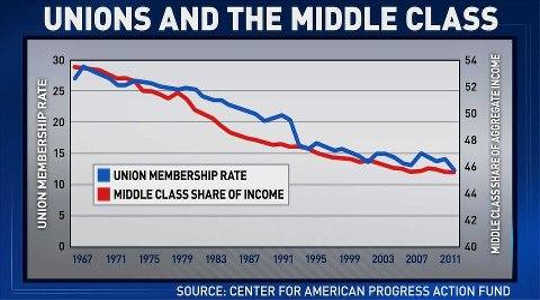 A dramatic decline in the density of US labor unions since the 1970s has resulted in lower wages for both union and nonunion workers, a new study suggests.
 What can be done to deter pharmaceutical companies from jacking up prices of critical drugs? To prevent Wall Street banks from excessive gambling? To nudge CEOs into taking a longer-term view? To restrain runaway CEO pay?
 President Obama has promised to support a bold future for medicine where diagnostic testing and treatments aren’t just what’s best for most people – they’re what’s best for you.
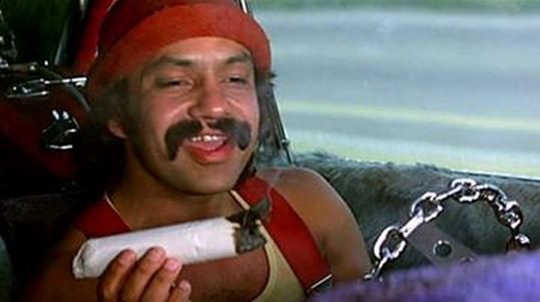 Researchers have applied magnetic nanotechnology, previously used as a cancer screen, to create what could be the first practical roadside test for marijuana intoxication.
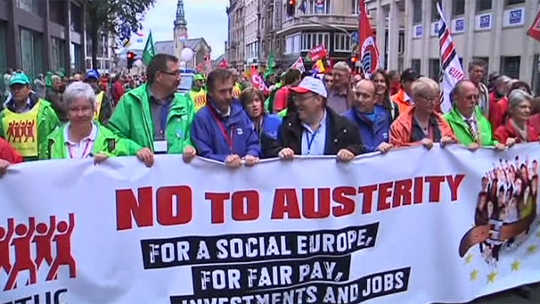 Leading economic think-tank the institute of Fiscal Studies has warned that “middle-income families are the new poor” – a damning indictment of the way poverty in Britain has spread far beyond groups that are traditionally considered poor.
 Chatham House’s new report on elite perceptions of the US in Latin America and the post-Soviet states – which follows a previous survey of Asia and Europe – underlines the uniquely daunting task of expectation management task that awaits anyone in charge of America’s image in the world.
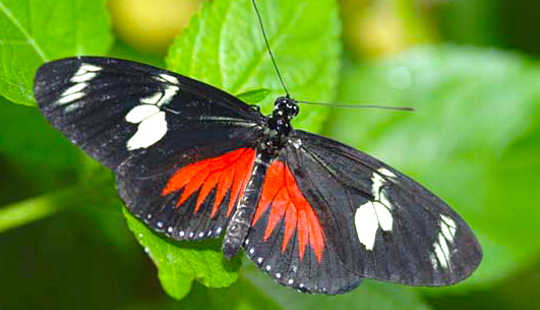 Most tropical butterflies feed from a variety of flower types, but those that are “picky” about their flowers tend to prefer native plants, new research shows.
 Over the past month, thousands of protesters, including Native Americans from more than 100 tribes across the country, have traveled to North Dakota to help the Standing Rock Sioux Tribe block the Dakota Access Pipeline from being built.
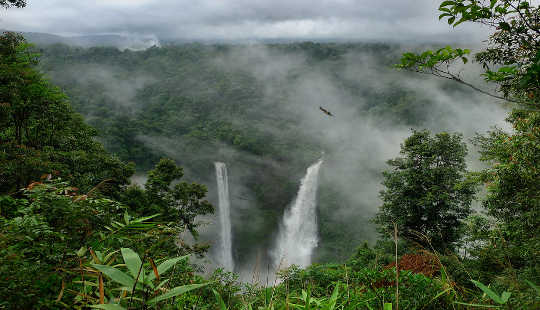 Forest fires in the Amazon region are reaching record levels as Brazil’s government fails to tackle the deforestation that fuels the country’s high rate of emissions.
 Inequities in wealth and income are one of the biggest social, economic and political challenges of our time. It’s important to address these inequities for three key reasons.
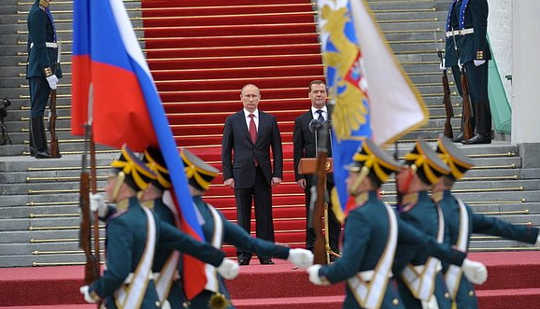 Tensions are again mounting between Russia and Ukraine.Dubiously claiming provocation, Russia has stationed 40,000 troops on the Ukrainian border. Russian President Vladimir Putin has warned of a full-scale invasion.
 Trees are dying across Yosemite and Yellowstone national parks. Glaciers are melting in Glacier Bay National Park and Preserve in Alaska. Corals are bleaching in Virgin Islands National Park.
 Power companies that take initiative now can position themselves for a bright future in tomorrow’s clean energy economy
 Despite the United Nations Millennium Development Goal of a 75 percent reduction in maternal deaths by 2015, the estimated maternal mortality rate for 48 US states and the District of Columbia actually increased by 26.6 percent from 2000 to 2014.
 Few images have captured the peculiar horrors of the war in Syria more powerfully than the photograph and short video that emerged recently showing five-year-old Omran Daqneesh sitting in an ambulance after being rescued from the aftermath of an airstrike in Aleppo.
 Earlier this year, I wrote about a cache of bitter writings by Woody Guthrie that I had discovered while conducting research for a book on the balladeer.
 This fall, we are faced with the question of who will become president. And equally important – who can vote?
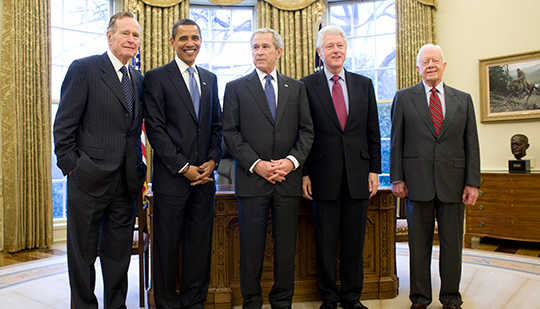 Historian Jack Rakove says that the presidency has emerged as the strongest of all three branches of the US government, due to partisanship in Congress.
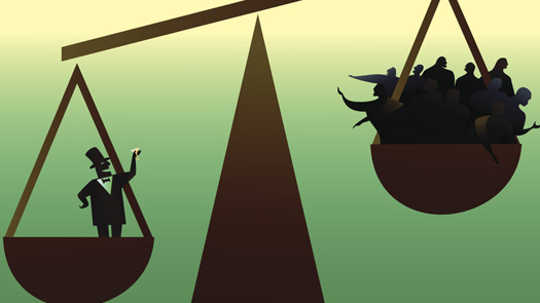 Here are some conclusions from a recent economics research paper. Do you think the authors are from some left-leaning think tank full of malcontents?






