

Culture Wars
Monkey See, Monkey Do: How Corruption, Inequality, and Self-Interest Threaten Civilization
Alan Greenspan spent decades as the most powerful economist on earth, genuflecting at the altar of Ayn Rand and insisting that banks would regulate themselves because...











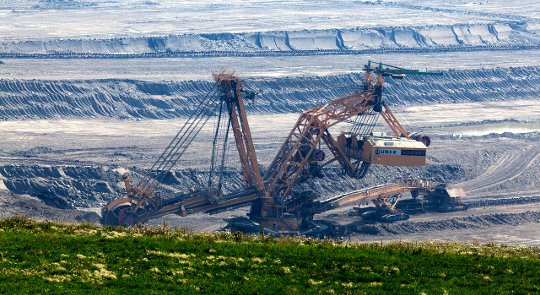 Our production and use of energy-intensive materials must change. The economic impacts on developing countries of high import costs of oil, liquefied natural gas, coal and resources have grown. These costs are increasing debt and undermining future development: they are economically unsustainable, and must change.
 So many older women are inheriting farms that some experts believe training them in land conservation may be society's best bet in protecting the food supply. In Iowa alone, women own about 14 million acres of farmland, which is significant because the health of the nation’s soil is crucial to the productivity of its farms and in feeding a growing population.
 We need to define terrorism independently of who is employing it. Terrorism is violence against some innocent people aiming at intimidation and coercion of some other people. This definition says nothing about the identity of terrorists. They can be insurgents or criminals. But they can also be members of the military or of some state security agency.
 If we want to see well-being and health improve, policies that promote a greener economy should be pursued. Redefining what we think of as prosperity, encouraging the consumption of green goods and services – and moving away from an emphasis on material consumption – could save governments money, as well as lead to better lives for its citizens.
 Often seen in art and business, hybrid solutions are gaining increased attention in education. In the classroom, the blend of traditional and new teaching methods, and the mix of online and face-to-face learning – known as the “hybrid classroom” – is posing profound questions about the lessons of the future.
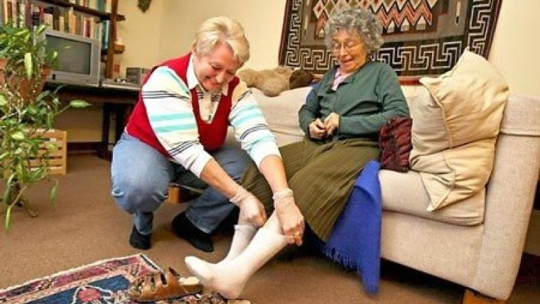 There are two million home care workers in the United States. They change diapers, administer medications, bathe and dress people and transfer the immobile from one place to another.
 The apparent recurrence of intelligence failures in France and elsewhere has long been debated by security experts, and ultimately begs the question: what can be expected from intelligence services?
 The economy added 257,000 jobs in January for an average gain of 336,000 over the last three months. More importantly, the report showed that real wages grew by 1.5% in 2014, the biggest gain since before the Great Recession. And job openings rose 3.7% in January, the biggest increase since 2001, signaling companies are having a hard time filling positions, which should put more upward pressure on wages.
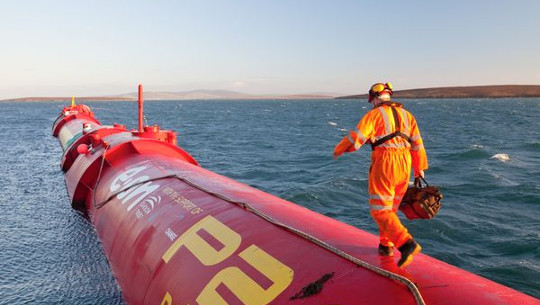 The announcement that a pioneering wave farm off Perth has started generating electricity is an exciting and welcome development. The project, developed by Fremantle-based Carnegie Wave Energy, features two buoys, 11 m in diameter, below the sea surface (with a third to follow).
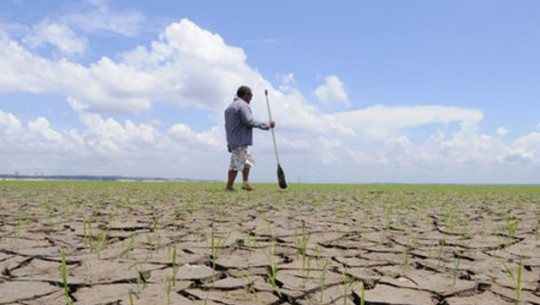 The climate debate seems to be as polarised as ever. While joint political pledges offer some hope that climate change no longer has to be a partisan issue, a look at the comments below most articles on global warming says otherwise.
 Nestled in the woods of central Minnesota, near a large lake, is a nature sanctuary called the Audubon Center of the North Woods. The nonprofit rehabilitates birds. It hosts retreats and conferences. It's home to a North American porcupine named Spike as well as several birds of prey, frogs, and snakes used to educate the center's visitors.
 Lieutenant-General James L. Terry, commander of US forces in Iraq and Syria, recently admitted he had no idea how many civilians have died as a result of coalition airstrikes in the region.
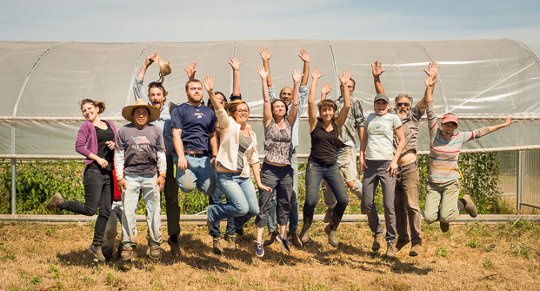 Narendra Varma loves chocolate. However, he’s also co-founder of Our Table Cooperative, a farm and grocery cooperative that aims to provide locally sourced, organically grown food to the city of Sherwood, Oregon. That means his love of chocolate is complicated.
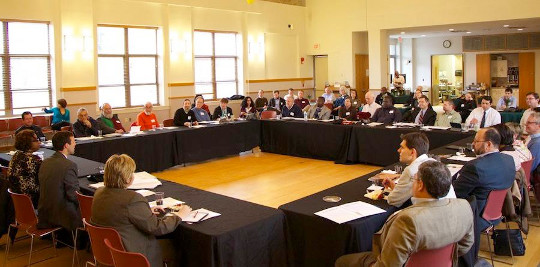 The Community Purchasing Alliance (CPA) in the greater Washington DC area helps over 130 churches, synagogues, schools and other institutions save money and make investments in environmental sustainability, worker equity, and community organizing.
 For years people have been running around Washington yelling that the United States was at risk of becoming Greece. There may actually be a basis for such concerns, but not for the reason usually given.
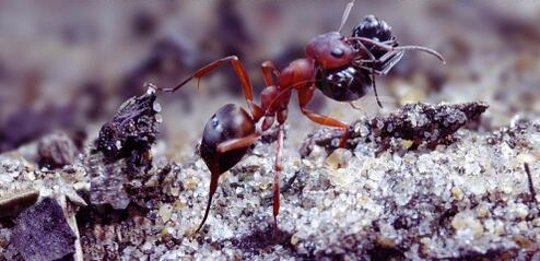 Ants have a reputation of being industrious hard-working animals, sacrificing their own benefit for the good of the colony. They live to serve their queen and take care of all essential tasks including brood care, gathering food and maintaining the nest.
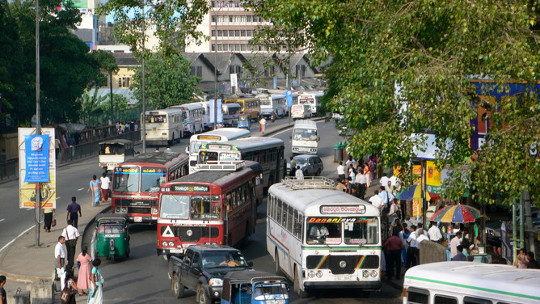 Cities may only occupy about 2% of the world’s habitable land, but they are big drivers of global climate change. Cities are usually hotter than rural areas, and get referred to in the jargon as “urban heat islands.”
 A new batch of Australian five-year-olds has just started school, eager to learn to read and write. Unfortunately for them, English has one of the most difficult spelling systems of any language, thanks to the way it developed.
 One of my most popular courses at Swarthmore College focused on the challenge of how to defend against terrorism, nonviolently. Events now unfolding in France make our course more relevant than ever. In fact, the international post-9/11 “war against terror” has been accompanied by increased actual threats of terror almost everywhere.
 In cities across the country, the promotion of higher residential densities in certain areas has become an orthodox part of urban planning. Consolidation, as opposed to sprawl, is seen as a way to accommodate the apparent inevitability of larger cities in a more sustainable, economical, and healthy way.
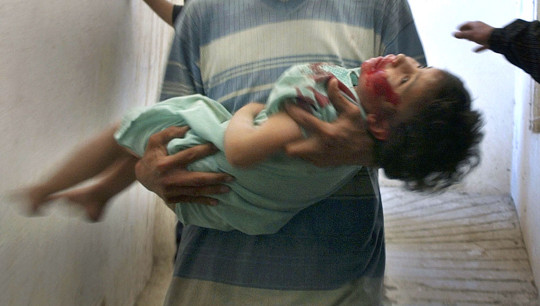 After watching the movie “American Sniper,” I called a friend named Garett Reppenhagen who was an American sniper in Iraq. He deployed with a cavalry scout unit from 2004 to 2005 and was stationed near FOB Warhorse.






