Culture Wars
Monkey See, Monkey Do: How Corruption, Inequality, and Self-Interest Threaten Civilization
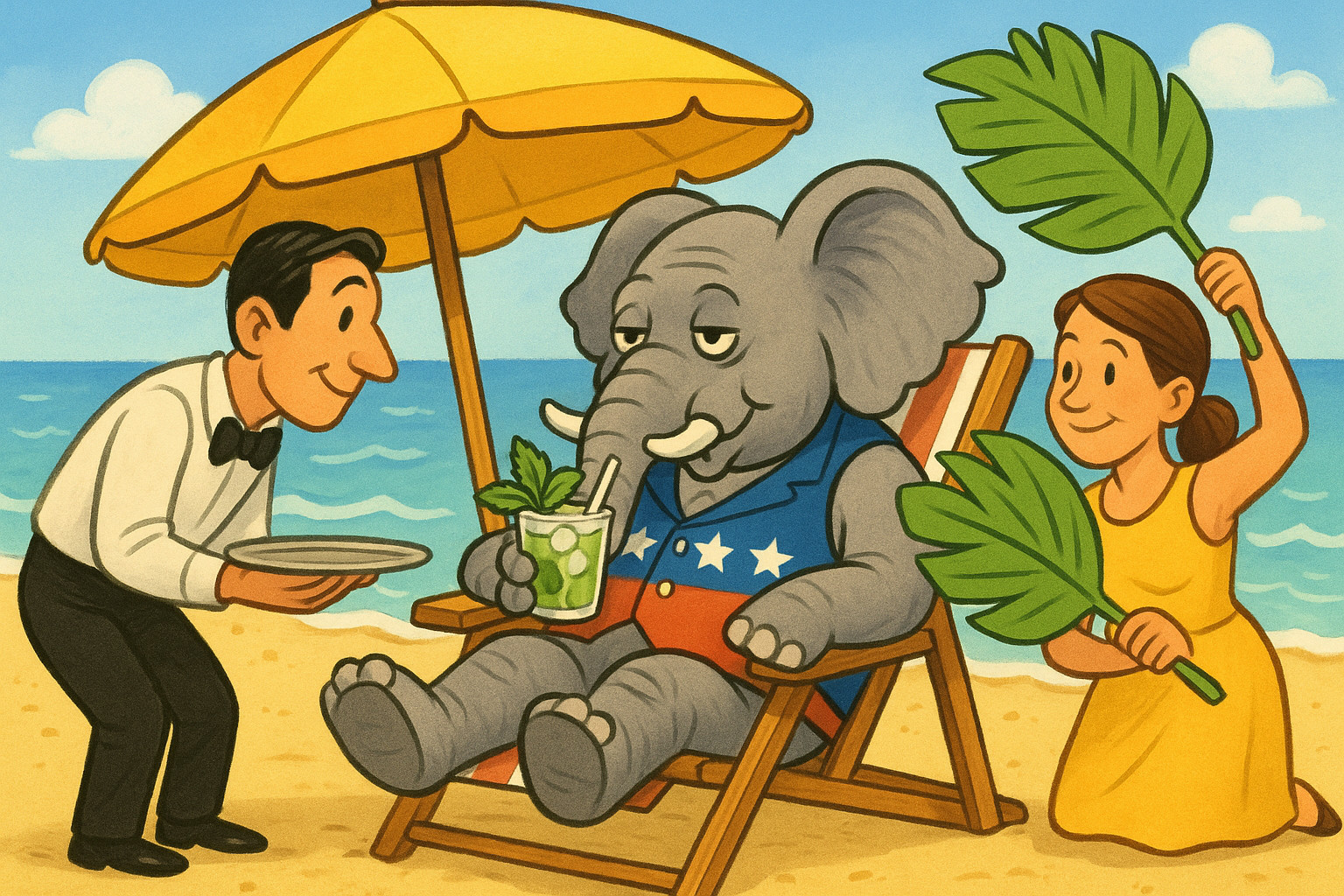
Alan Greenspan spent decades as the most powerful economist on earth, genuflecting at the altar of Ayn Rand and insisting that banks would regulate themselves because...









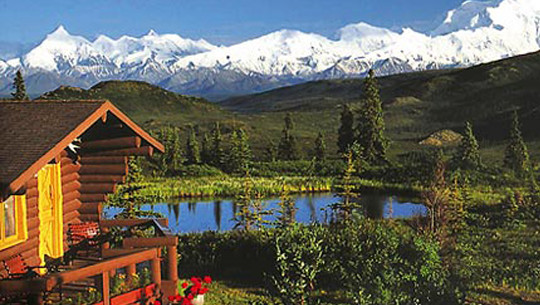 After 30 years, the practice of paying every resident—including children—at least $1,000 has made Alaska one of the least unequal states in America. Here's what the rest of us can learn.
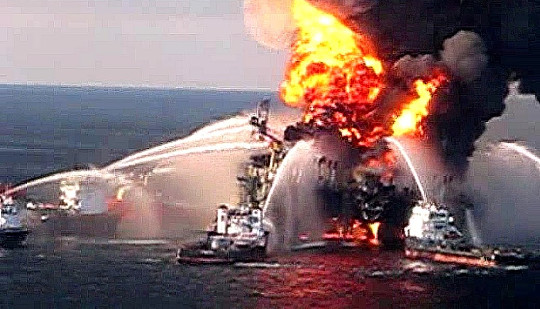 In April 2015, we will mark the five-year anniversary of the Deepwater Horizon oil spill. The accident released millions of barrels of oil into the Gulf of Mexico, causing extensive impacts on the marine ecosystem, wildlife habitat, and the fishing and tourism industries in Louisiana and other Gulf states.
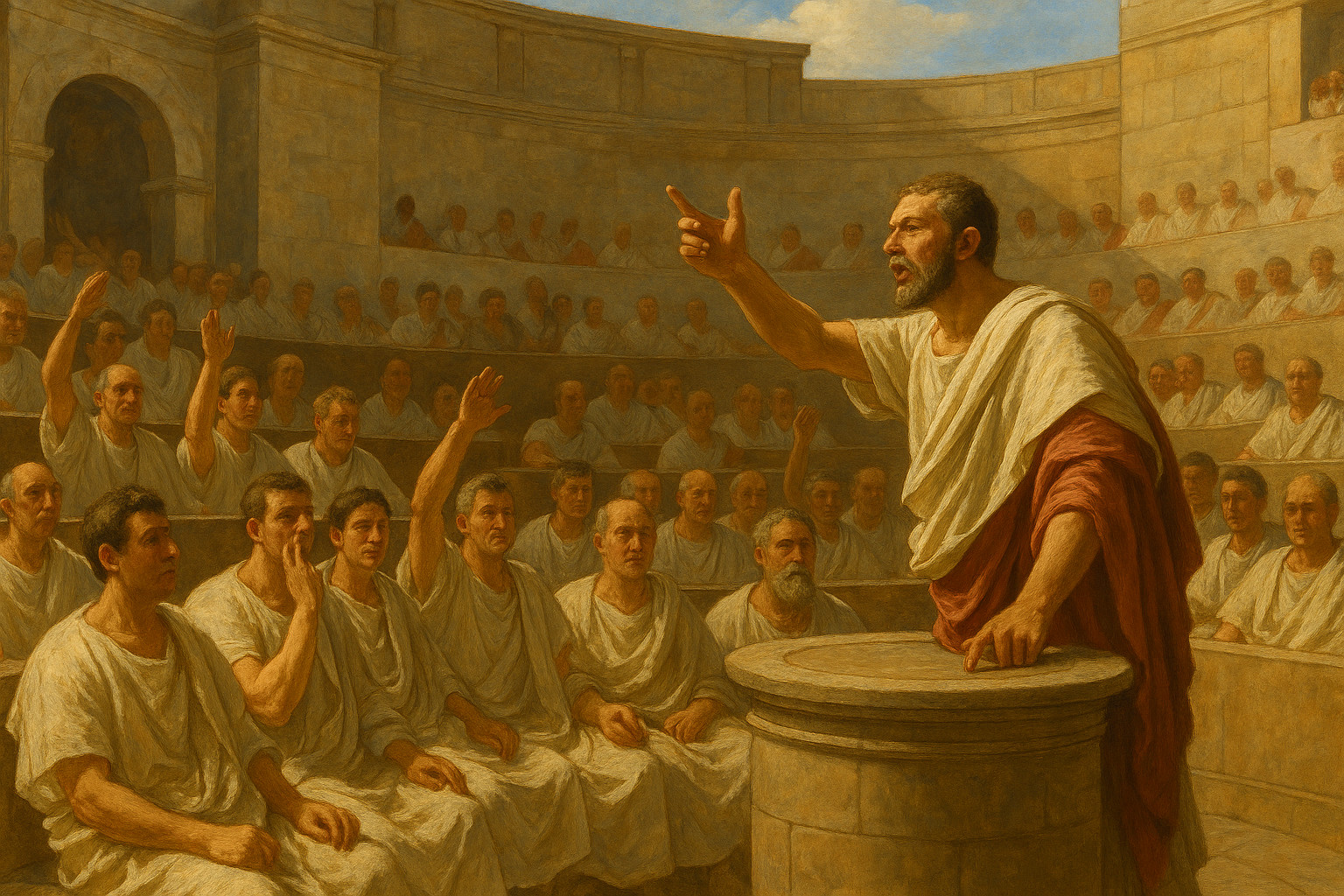
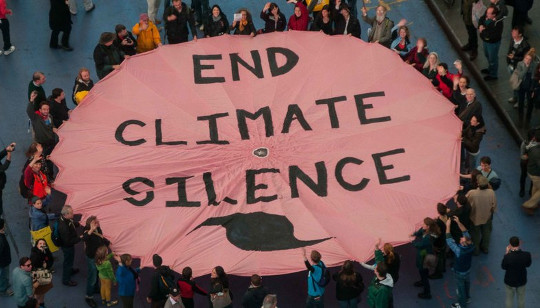 It can be tempting to think that people who disagree with you are mad, bad or simply stupid. However, not only are such judgements usually wrong, but telling people that they are stupid is unlikely to convince them of the merit of your own view.
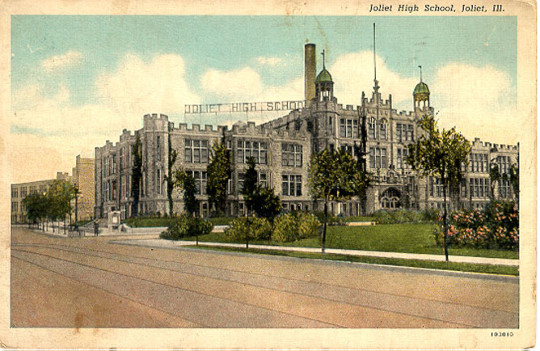 Not since the 1960s has a sitting President engaged in issues around higher education as frequently as Barack Obama. He’s had little choice.
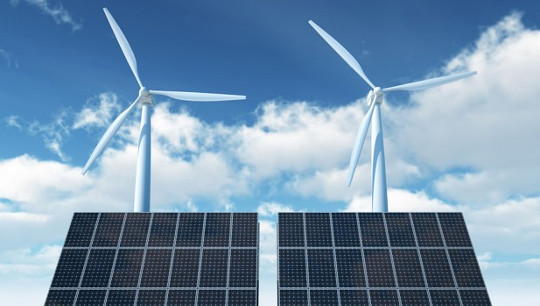 In this red state, publicly owned utilities provide electricity to all 1.8 million people. Here's how Nebraska took its energy out of corporate hands and made it affordable for everyday residents.
 Urban transportation planning is mainly concerned with easing traffic congestion, improving safety, and saving time for motorists. Most metropolitan transportation plans strive to blend environmental, economic, and social-equity goals to promote sustainability.
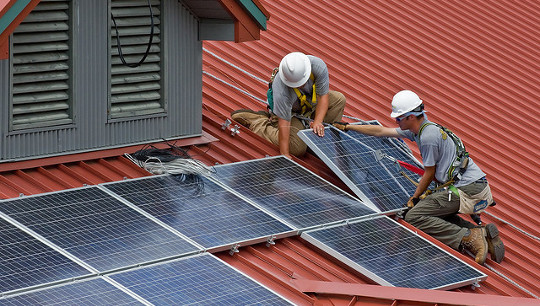 Over the past five years the world has seen a dramatic fall in the cost of solar energy, particularly rooftop solar panels or solar photovoltaic power. It is now a real alternative and considerable player in the power markets.
 An app that combines the affordability of ride sharing with the reliability of taxis. Playgrounds built as sponges for reusable greywater. From Finland to California, the cities of the future are here.
 After President Obama’s State of the Union Address Tuesday night, today’s discussion has largely focused on his tax proposals. While these are important measures, two other areas he addressed raise issues that will have at least as many consequences.
 It’s time to pay attention to a startling stealth killer. What’s the leading cause of death in low- and middle-income countries?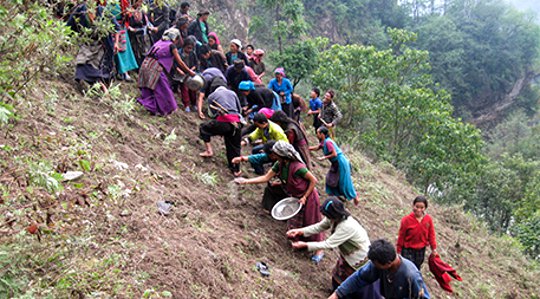
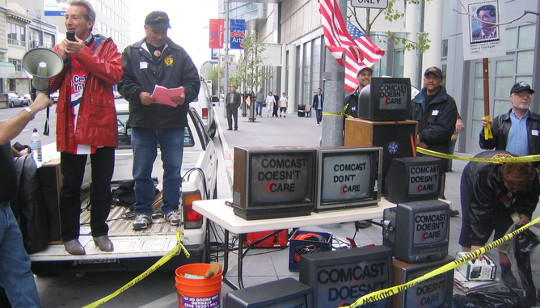 No one disputes the importance of affordable access to high-speed internet for economic growth in the 21st century. The United States has seen consistent and rapid growth in its broadband infrastructure since the internet became popular in the 1990s, offering more households and businesses connectivity at faster speeds.
 The World Health Organization (WHO) has just released its Global Status Report on Noncommunicable Diseases, the second in a series tracking worldwide progress in the prevention and control of cancers, lung disease, diabetes and cardiovascular disease. It focuses on how to reach the internationally agreed overarching target of a 25% reduction of premature mortality from these four major non-communicable diseases by 2025.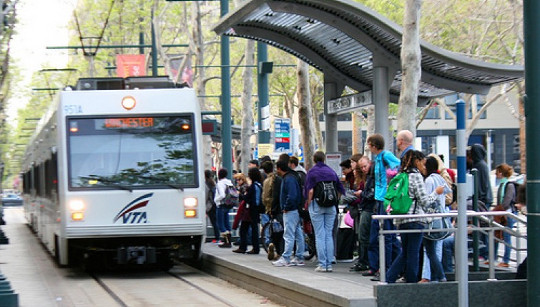

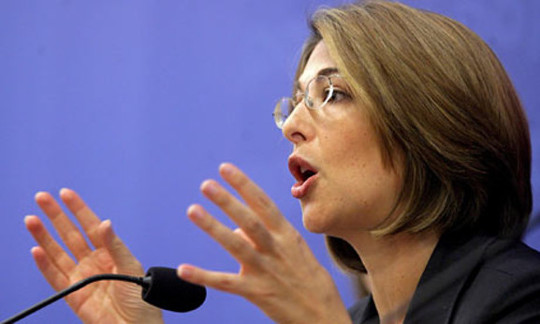 Why has it taken so long to respond? Naomi Klein’s new book, This Changes Everything: Capitalism vs. the Climate, explores that question. Klein points to the “terrible timing” of the climate crisis coming into public awareness—with NASA scientist James Hansen’s 1988 testimony to Congress—right at the time free-market “neoliberal” ideology was on the rise.