
Happiness & Success
Achieving Happiness Through Acceptance of Life
The quest for happiness often leads to frustration, as many fail to realize that the...








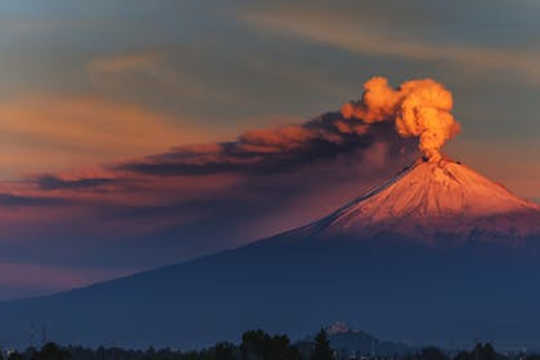 2018 has been a year of unprecedented weather extremes around the world.
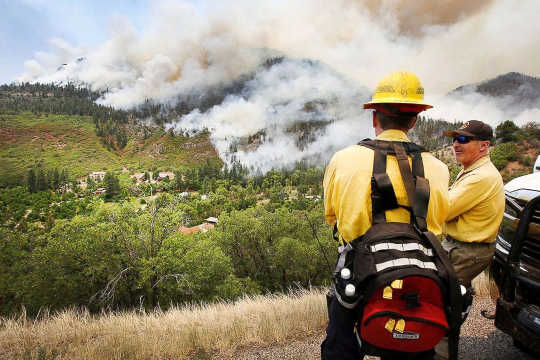 The kind of hot, dry conditions that can shrink crop yields, destabilize food prices, and lay the groundwork for devastating wildfires are increasingly striking multiple regions simultaneously as a result of a warming climate, according to a new study.
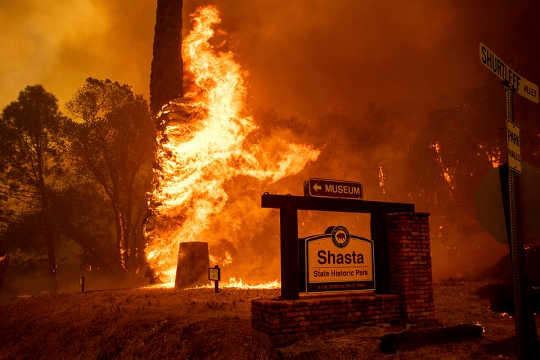 Hopes for fewer large wildfires in 2018, after last year’s disastrous fire season, are rapidly disappearing across the West.
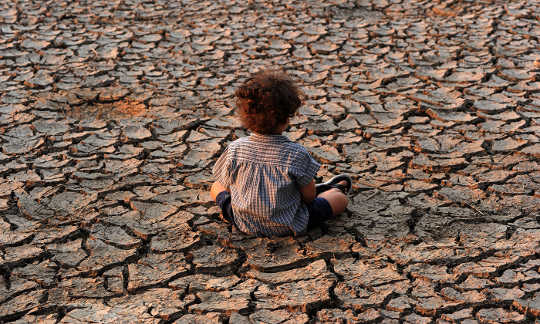 Drought, crop failure, storms, and land disputes pit the rich against the poor, and Central America is ground zero for climate change. Guatemala, Honduras, and El Salvador lie in the trajectory of the so-called “dry corridor” of Central America that stretches from Southern Mexico to Panama. This epithet is a recently adopted description of the region, to describe the droughts that have risen in intensity and frequency over the last 10 years.
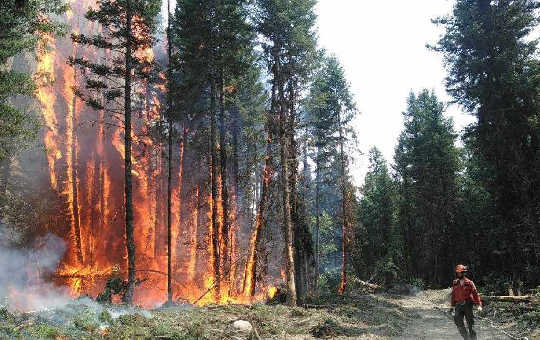 As temperatures rise, wildfires may get worse in areas that already experience them and become more prevalent in areas where they’re not yet a big risk, a new study warns.
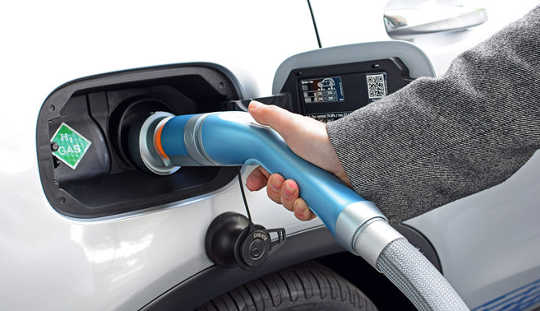
As the price of renewable energy drops and storage technologies mature, hydrogen fuel is drawing fresh attention. Perhaps, finally, hydrogen’s moment has arrived. Japan is planning to use the 2020 Tokyo Olympic Games to showcase its vision for a hydrogen society and has invested US$348 million in establishing hydrogen refueling stations and other infrastructure. Germany has launched the world’s first hydrogen-powered trains...
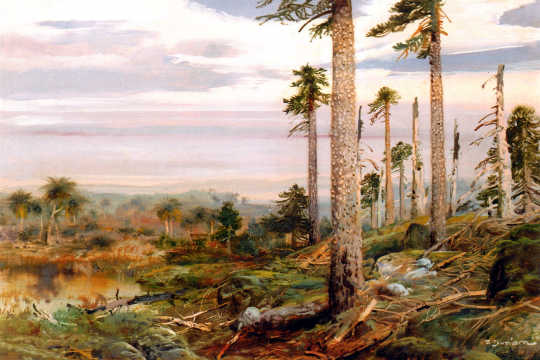
A lazy buzz phrase – ‘Is this the new normal?’ – has been doing the rounds as extreme climate events have been piling up over the past year. To which the riposte should be: it’s worse than that – we’re on the road to even more frequent, more extreme events than we saw this year.

New research digs into how links between economic development, technology, politics, and decision-making affect actions people are willing to take against climate change.

The latest report from the Intergovernmental Panel on Climate Change (IPCC) has been called a “deafening” alarm and an “ear-splitting wake-up call” about the need for sweeping climate action. But will one more scientific report move countries to dramatically cut emissions?
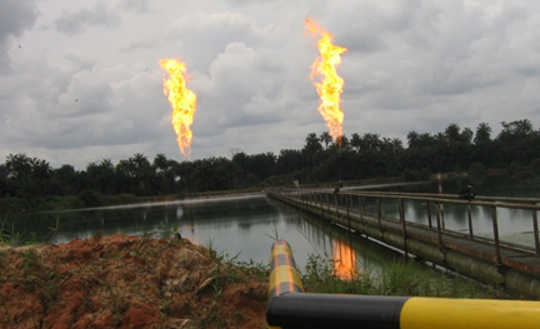
The burning of unwanted gas associated with oil production—called “flaring”—remains the most carbon-intensive part of producing oil, according to a new analysis.
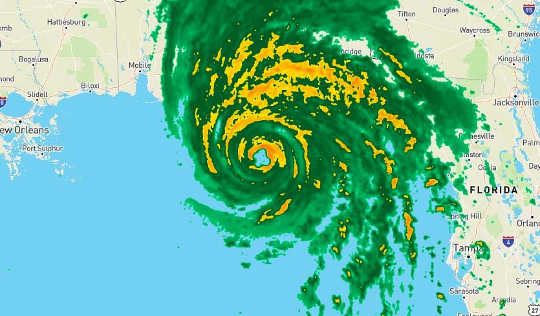
I was recently sent a slick piece of fossil-fuel-propaganda that was mostly full of half-truths to tell a lie. If nothing else, it does make one listen to arguments on possible needed limits to free speech. However, limiting access for venues of speech is a slippery slope, but so is damaging the public with untruths. Is it OK to tell lies for financial gain that harms the public?
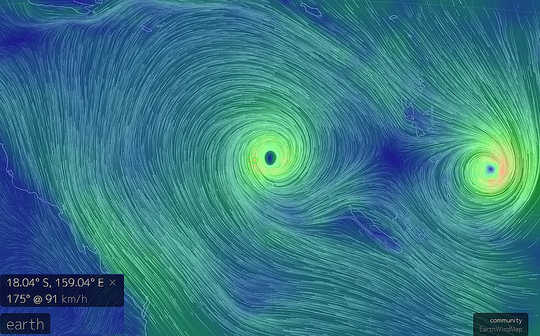
Cyclone Winston struck Fiji on February 20, 2016, leaving a trail of destruction. Winston was a Category 5 cyclone (the strongest rating) with reported wind speeds of almost 300 km per hour. This made it among the strongest cyclones ever to make landfall globally, and the and the strongest recorded in the Southern Hemisphere.
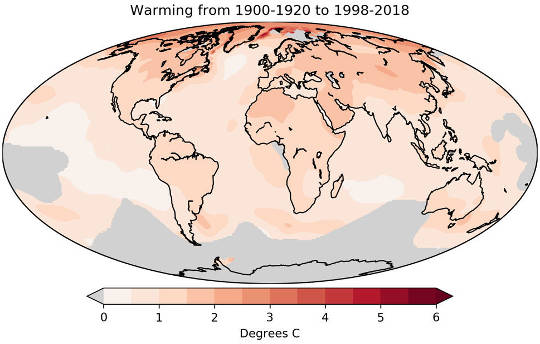
As part of the Paris Agreement on climate change, the international community committed in 2015 to limit rising global temperatures to “well below” 2C by the end of the 21st century and to “pursue efforts to limit the temperature increase even further to 1.5C”.
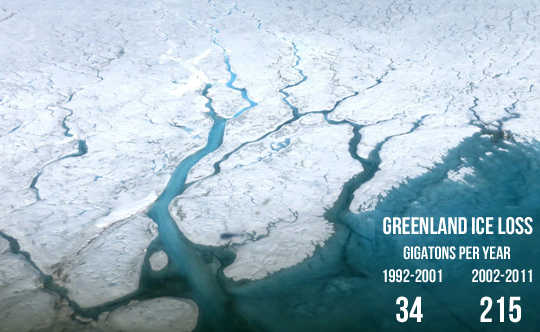
Persistent weather conditions, including dry and wet spells, that have increased in the United States may be a result of rapid Arctic warming, according to a new study.

Two generations of Australians, Generations X and Y, say climate change is their number one cause for concern, according to a new report. Contrary to stereotypes of young generations being narcissistic or complacent, researchers say both groups are united in concerns about the future of the environment.
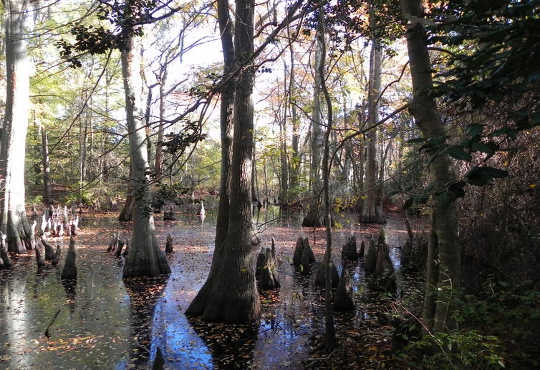
“Drain the swamp” has long meant getting rid of something distasteful. Actually, the world needs more swamps – and bogs, fens, marshes and other types of wetlands.
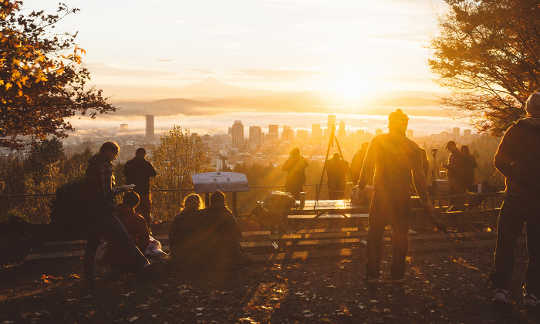
This summer, wildfires erupted in California, torrential rains flooded parts of Japan, and record-breaking temperatures led to a number of heat-related deaths around the globe. Disasters like these are augmented by climate change, and scientists say extreme weather like this will increase and worsen as climate change accelerates. And it’s impacting our mental health.
 A climate scientist talks to a psychologist about coping with the crushing stress related to climate change. Here’s what he learned.
 Local people collect water from a muddy waterhole in 2006 in San Marcos Tlacoyalco. The Tehuacan Valley South-East of Mexico City has long experienced severe water shortages. Drought and climate change have contributed to this but recent industrial growth has also strained the very limited ground water resource. Water resources in the area are largely based on a weekly delivery by truck as well as collecting water from small pools known as Jagueys.

Now it's so hot in Europe that dogs are having to wear shoes. While a nice sunny day may seem like the perfect time for a stroll with your pet pooch, Swiss police are urging dog owners to cover their pets' paws.
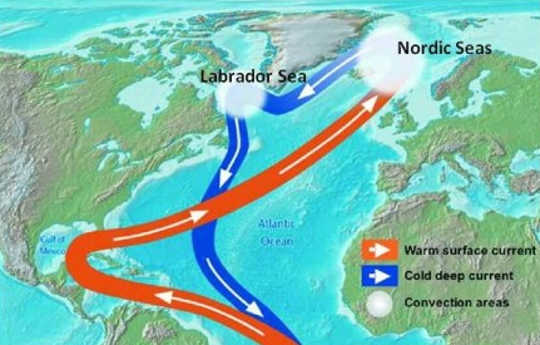 Global warming isn’t the cause of slowdown in a huge circulation pattern in the Atlantic Ocean, which is, in fact, part of regular, decades-long cycle that will affect temperatures in coming decades, according to a new study.
The quest for happiness often leads to frustration, as many fail to realize that the...

Reaching sixty can evoke complex emotions, blending relief with ongoing ambition. This...

The quest for life's purpose often leads to unsatisfactory answers. This article...

Romantic love is a complex emotion shaped by historical, cultural, and biological...

Imagine going through one of the most physically and emotionally demanding experiences...

Daily actions often conflict with personal beliefs due to past experiences. By utilizing...

Have you ever argued over something that wasn't actually said? From cultural differences...

Therapists often use dream interpretation to delve into patients' emotions, but true...