
Happiness & Success
Achieving Happiness Through Acceptance of Life
The quest for happiness often leads to frustration, as many fail to realize that the...








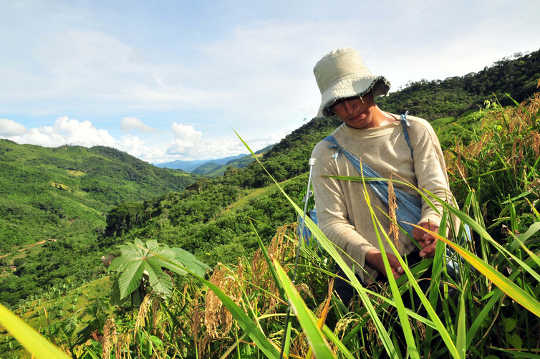 Forget about oil or gas – you should be worrying about the less discussed but far more concerning fact that the world is running out of clean, drinkable water.
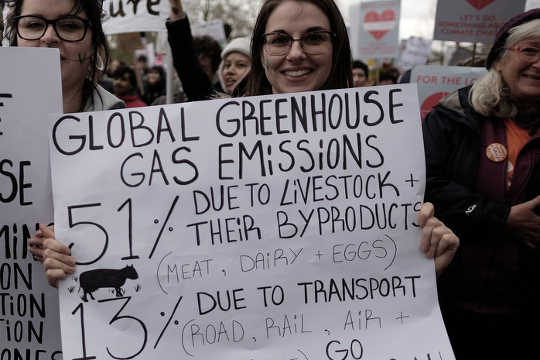 A major opportunity for avoiding climate change’s worst impacts lies in reducing methane emissions, particularly from food production, according to a pair of new studies.
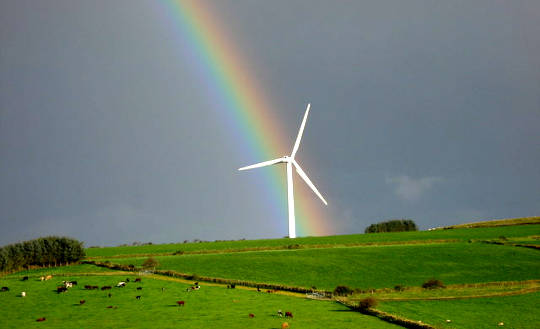 Gene Takle, professor of agronomy and geological and atmospheric sciences at Iowa State University, says tall wind turbines disbursed throughout a field create air turbulence that may help plants by affecting variables such as temperature and carbon dioxide concentrations.
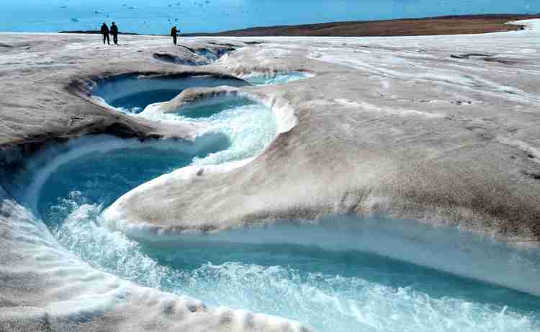 For a period about a million years ago Greenland wasn’t covered in ice. Researchers say the discovery suggests it’s possible the ice sheet could go away again.
 Detroit-area resident Shamayim Harris bought more than 10 properties on her block. She’s now converting them into sustainable community spaces for education, wellness, and economic development.
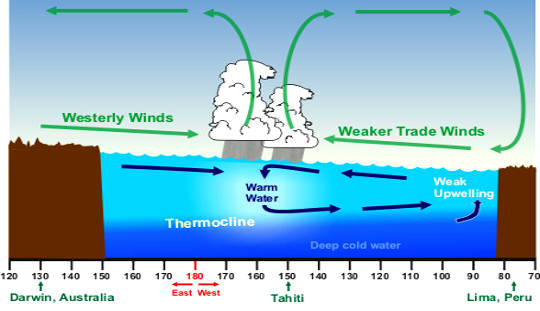 A new theoretical model may lead to timelier, accurate forecasts of the central Pacific El Niño, an important weather-maker. Any El Niño is a period of warmer-than-normal sea-surface temperature in the equatorial Pacific.
 Climate-related catastrophes are expensive, whether they come on suddenly, like the thousand-year flood in Louisiana in August 2016, or move slowly and inexorably, like desertification in Turkey.
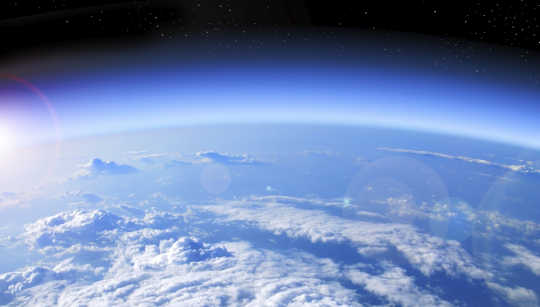 Since the 1980s, air pollution has increased worldwide, but it has increased at a much faster pace in regions close to the equator.
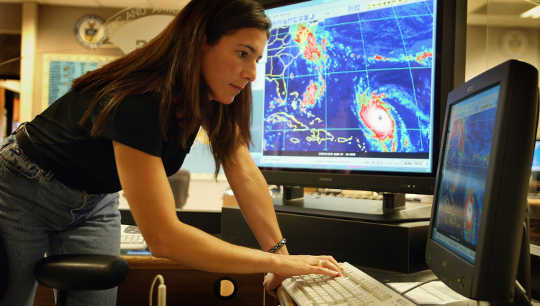 Hurricane and tropical storm development from three million years ago might give today’s forecasters a good blueprint for 21st-century storms.
 Scientists now agree: warmer weather in the Arctic and a wavy jet stream are influencing winter weather in the UK and US.
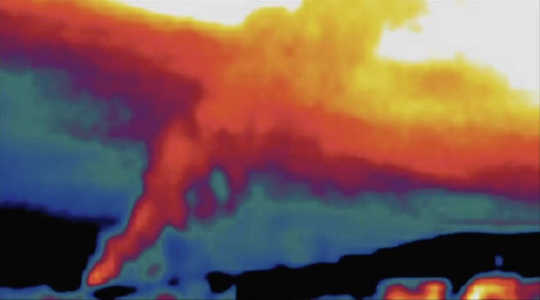 The bulk of methane emissions in the United States can be traced to a small number of “super-emitting” natural gas wells.
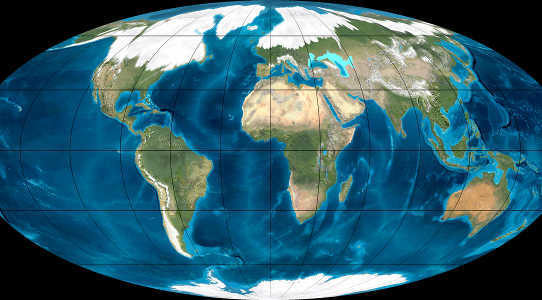 Ice ages on Earth used to occur at intervals of every 40,000 years. But at a point about a million years ago, ice age intervals switched to every 100,000 years.
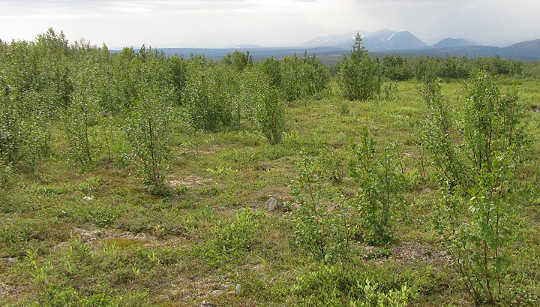 NOAA’s National Centers for Environmental Information (and several other institutions) reported April 2016 to be the warmest April on record for the planet. All of the previous twelve months now hold the “Warmest [INSERT MONTH HERE] on Record” title. That’s twelve months in a row, and that’s never happened.
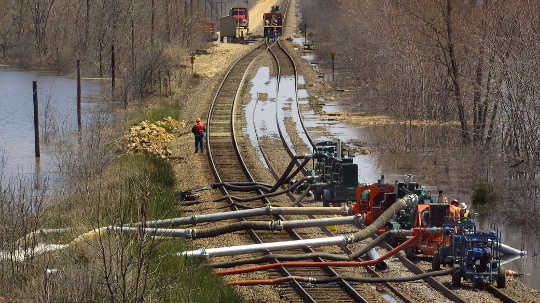 Educating rural communities can help them prevent permanent damage to the environment. There is a common misconception that you can’t talk about climate change in rural communities because the issue is considered too polarizing...
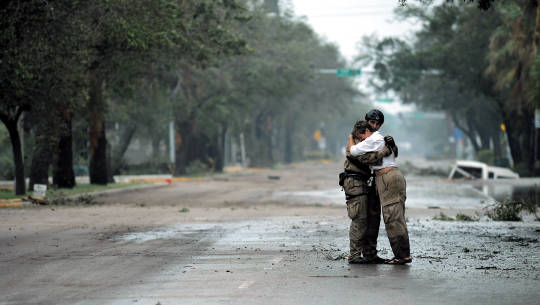 The destructive nature of Hurricane Matthew—which resulted in hundreds of deaths in Haiti, dozens more in the US, and extensive damage still being assessed—was a test of strength in communications systems, infrastructure, and ultimately the resilience of communities.
 People depend on grass crops for food, but new research raises concerns that if climate changes too fast, grasses won’t adapt fast enough to keep pace.
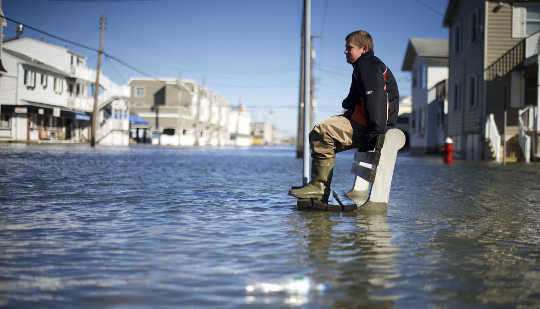 New York City can expect nine-foot floods, as intense as the one produced by 2012’s Superstorm Sandy, at least three times more frequently over the next century—and possibly as much as 17 times more frequently, say researchers.
 The pre-industrial atmosphere contained more particles, and so brighter clouds, than we previously thought. This is the latest finding of the CLOUD experiment, a collaboration between around 80 scientists at the CERN particle physics lab near Geneva.
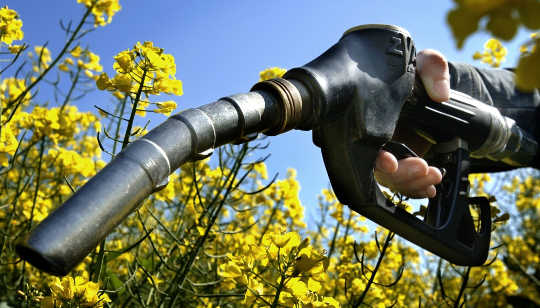 Ever since the 1973 oil embargo, U.S. energy policy has sought to replace petroleum-based transportation fuels with alternatives. One prominent option is using biofuels, such as ethanol in place of gasoline and biodiesel instead of ordinary diesel.
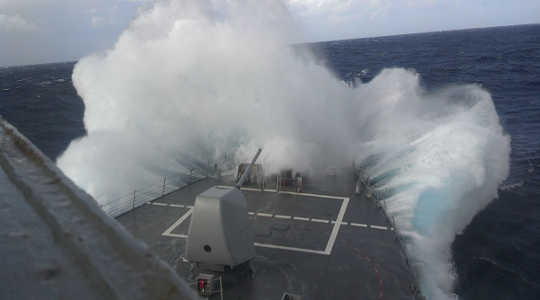 In this presidential election year we have heard much about some issues, such as immigration and trade, and less about others.
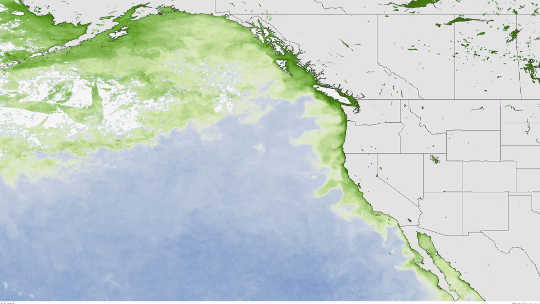 The unprecedented West Coast toxic algal bloom of 2015 appears to be linked to the unusually warm ocean conditions—nicknamed “the blob”—in the winter and spring of that year.
The quest for happiness often leads to frustration, as many fail to realize that the...

Reaching sixty can evoke complex emotions, blending relief with ongoing ambition. This...

The quest for life's purpose often leads to unsatisfactory answers. This article...

Imagine going through one of the most physically and emotionally demanding experiences...

Romantic love is a complex emotion shaped by historical, cultural, and biological...

Daily actions often conflict with personal beliefs due to past experiences. By utilizing...

Have you ever argued over something that wasn't actually said? From cultural differences...

Therapists often use dream interpretation to delve into patients' emotions, but true...