
Happiness & Success
Achieving Happiness Through Acceptance of Life
The quest for happiness often leads to frustration, as many fail to realize that the...








 Water crises seem to be everywhere. In Flint, the water might kill us. In Syria, the worst drought in hundreds of years is exacerbating civil war. But plenty of dried-out places aren’t in conflict. For all the hoopla, even California hasn’t run out of water.
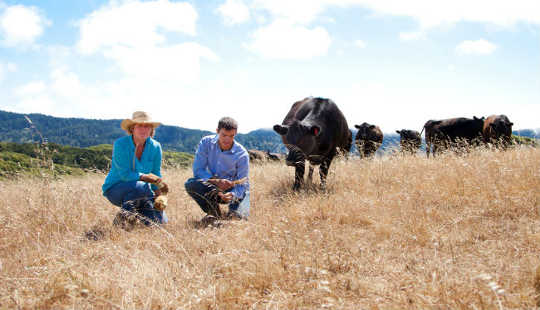 Scientists believe that simple land management techniques can increase the rate at which carbon is absorbed from the atmosphere and stored in soils.
 The State of the Climate in 2015 report, led by the US National Oceanic and Atmospheric Administration, was released. Unfortunately, it paints a grim picture of the world’s climate last year.
 Ethicist Peter Singer told Q&A that climate change-related sea level rises are “estimated to cause something like 750 million refugees just moving away from that flooding”.
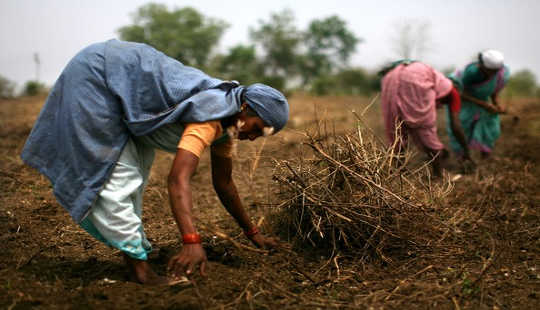 In a context of unprecedented climate change and food insecurity, adaptation in agricultural systems is critical in Africa. It is crucial to breed new varieties of staple crops that are adapted to deal with climatic conditions.
Southern Africa is noted for its wealth of biological diversity and for its high proportion of endemic species. These are species that are unique to a specific location and are found nowhere else in the world. Many of the region’s endemic species can be found in South Africa’s fynbos and succulent Karoo biomes.
 The problem the world faces is that many of the resources that are truly threatened are the renewable ones, not, as so often assumed, the non-renewables.
 Political hurdles and low prices have made carbon pricing a low-impact affair. But there’s still hope it can help limit climate change. Earth’s atmosphere has long served as a free dump for carbon dioxide and other greenhouse gases generated by humans.
 The dip in atmospheric carbon dioxide levels during the Little Ice Age wasn’t caused by New World pioneers cutting a swathe through native American agriculture, as had been previously thought.
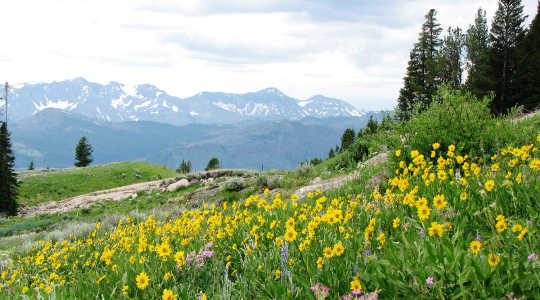 Forests take up 25 to 30 percent of human-caused emissions of carbon dioxide—a strong greenhouse gas—and therefore are considered to play a crucial role in mitigating the speed and magnitude of climate change.
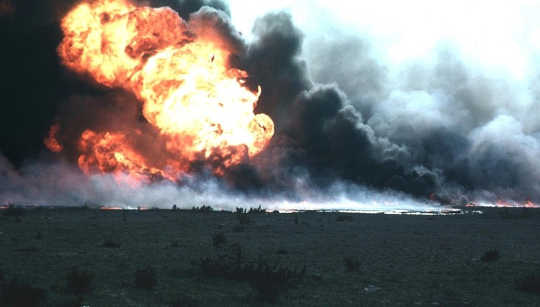 Sixty six million years ago, the dinosaurs suddenly disappeared, along with most of the species on the planet. The extinction occurred at precisely the same time that a giant asteroid struck the Earth.
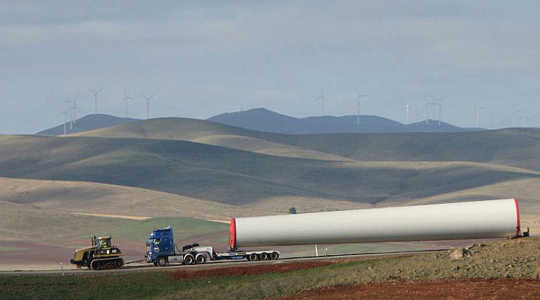 Global climate change, driven by human emissions of greenhouse gases, is already affecting the planet, with more heatwaves, droughts, wildfires and floods, and accelerating sea-level rise.
 Experts say the results of a study of ancient zooplankton fossils offer a warning about mass extinction events: There’s a tipping point, at which dramatic declines in populations begin.
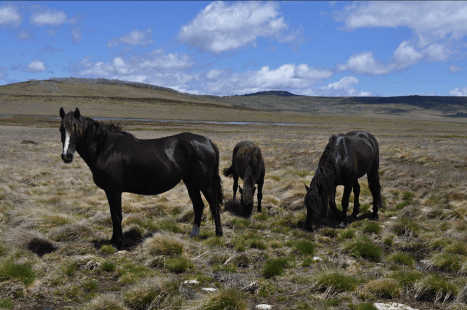 Think of an Australian landscape and you’re unlikely to picture snow-capped mountains or alpine meadows. But that’s what you’ll find atop the peaks of the country’s southeastern corner.
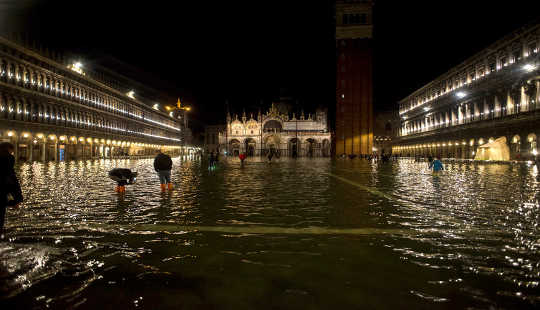 The common wisdom about climate change is that it’s too big and too abstract for humans to comprehend, that it’s too hard to talk about. But it turns out many people are having tangible experiences of our changing environment.
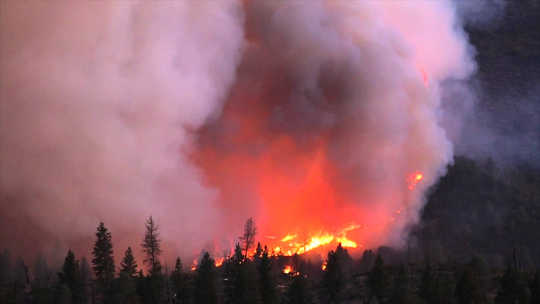 In recent years wildfire seasons in the western United States have become so intense that many of us who make our home in dry, fire-prone areas are grappling with how to live with fire.
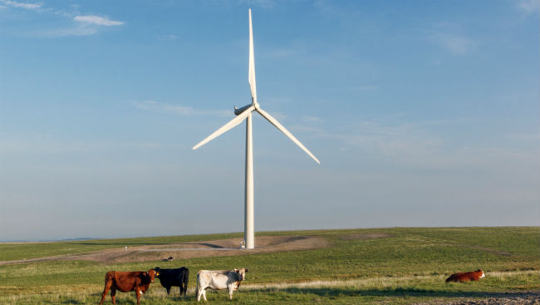 Even though Iowa is typically associated with red state politics, everyone there seems to agree that wind power makes economic sense for one of the windiest states in the country.
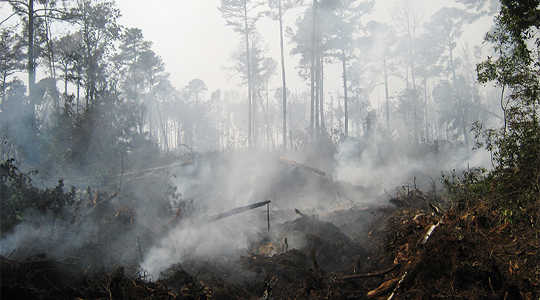 Smoldering peat gives off massive quantities of carbon dioxide and other pollutants, but the search for solutions is on.
 This week’s decision by four Australian Catholic orders to divest fully from fossil fuels can be interpreted as a direct response to the encyclical on the environment, issued by Pope Francis almost exactly a year ago.
 The fossil fuel industry has spent many millions of dollars on confusing the public about climate change. But the role of vested interests in climate science denial is only half the picture.
 The solar panels of about 40,000 Massachusetts households and community groups cut electricity prices for all of the approximately three million electricity ratepayers in the state, even those without the panels, also called photovoltaics (PV) systems.
The quest for happiness often leads to frustration, as many fail to realize that the...

Reaching sixty can evoke complex emotions, blending relief with ongoing ambition. This...

The quest for life's purpose often leads to unsatisfactory answers. This article...

Imagine going through one of the most physically and emotionally demanding experiences...

Romantic love is a complex emotion shaped by historical, cultural, and biological...

Daily actions often conflict with personal beliefs due to past experiences. By utilizing...

Have you ever argued over something that wasn't actually said? From cultural differences...

Therapists often use dream interpretation to delve into patients' emotions, but true...