
Happiness & Success
Achieving Happiness Through Acceptance of Life
The quest for happiness often leads to frustration, as many fail to realize that the...








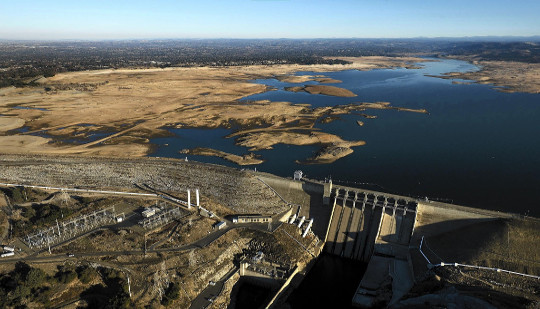 California is undergoing a record-setting drought that began in 2012, the worst in at least 1,200 years. It can be seen in many ways: most of the freshwater reservoirs are drying up, crops are wilting in the fields and groundwater is rapidly depleting.
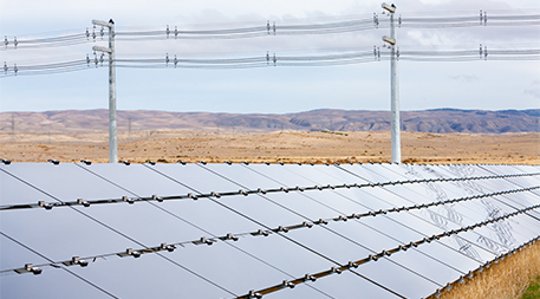 Inside a sprawling single-story office building in Bedford, Mass., in a secret room known as the Growth Hall, the future of solar power is cooking at more than 2,500 °F.
 An increasingly water-stressed world takes a new look at desalination. It seems simple enough: Take the salt out of water so it’s drinkable. But it’s far more complex than it appears at first glance. It’s also increasingly crucial in a world where freshwater resources are progressively strained by population growth, development, droughts, climate change and more.
 California’s byzantine water system and crushing drought are leading farmers to extraordinary measures as they try to keep themselves from running dry. On a warm March afternoon, farmer Cannon Michael walks alongside wheat fields adjacent to his house in Los Banos, in California’s Central Valley. Most of these fields won’t be watered again this year.
 The urge to solve humankind’s energy-generating problems is felt by innovators around the planet. Before the Internet and its open sourcing of knowledge, lone inventors tried to single-handedly save us from our dependence on dirty fuels. And long before hippies saw the dawning of an Age of Aquarius, a few individuals discovered that water is a key to independence.
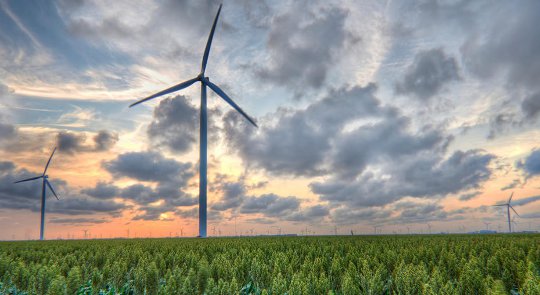 Texas is known for cheap and plentiful energy resources, but they’re usually of the dirty, fossil fuel–based variety. That reputation is changing. Texans can now buy renewable energy packages that are as cheap as or cheaper than the coal- or natural gas–based alternatives.
 After years of bitter disappointment, things look different now. Sure, U.S. state houses and Congress are a denier-dominated mess, the big Paris conference is already being written off, and the on-the-ground evidence is looking bleak. But after years of cynicism, I see elements of a sea change in urgency and attitude on climate.
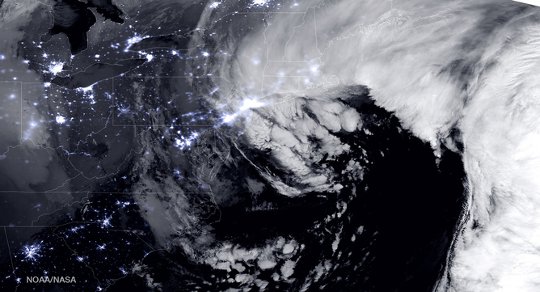 At first glance, asking whether global warming results in more snow may seem like a silly question because obviously, if it gets warm enough, there is no snow. Consequently, deniers of climate change have used recent snow dumps to cast doubt on a warming climate from human influences. Yet they could not be more wrong.
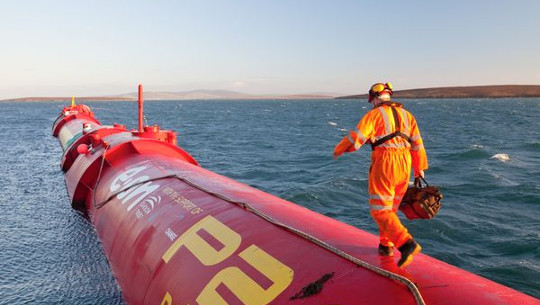 The announcement that a pioneering wave farm off Perth has started generating electricity is an exciting and welcome development. The project, developed by Fremantle-based Carnegie Wave Energy, features two buoys, 11 m in diameter, below the sea surface (with a third to follow).
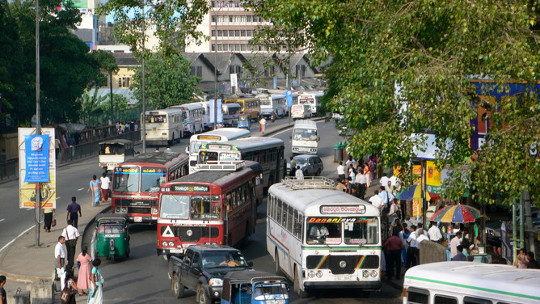 Cities may only occupy about 2% of the world’s habitable land, but they are big drivers of global climate change. Cities are usually hotter than rural areas, and get referred to in the jargon as “urban heat islands.”
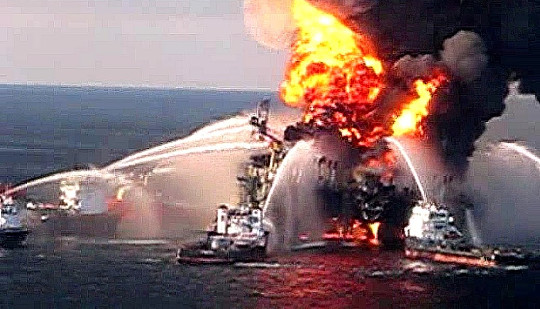 In April 2015, we will mark the five-year anniversary of the Deepwater Horizon oil spill. The accident released millions of barrels of oil into the Gulf of Mexico, causing extensive impacts on the marine ecosystem, wildlife habitat, and the fishing and tourism industries in Louisiana and other Gulf states.
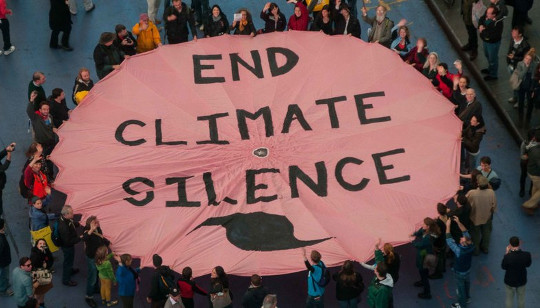 It can be tempting to think that people who disagree with you are mad, bad or simply stupid. However, not only are such judgements usually wrong, but telling people that they are stupid is unlikely to convince them of the merit of your own view.
 In this red state, publicly owned utilities provide electricity to all 1.8 million people. Here's how Nebraska took its energy out of corporate hands and made it affordable for everyday residents.
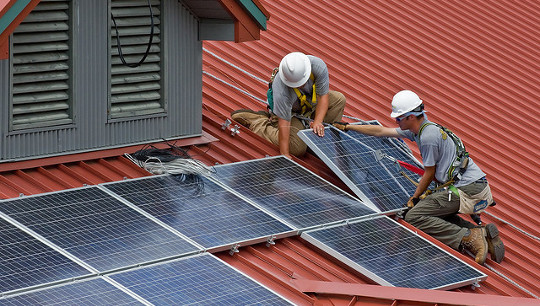 Over the past five years the world has seen a dramatic fall in the cost of solar energy, particularly rooftop solar panels or solar photovoltaic power. It is now a real alternative and considerable player in the power markets.

According to the pundits and techno-prophets who dominate the media, the future of transportation is all figured out for us. Cheaper gas prices mean we can still count on our private cars to take us everywhere we want to go. The only big change down the road will be driverless autos, which will make long hours behind the wheel less boring and more productive.
 Why has it taken so long to respond? Naomi Klein’s new book, This Changes Everything: Capitalism vs. the Climate, explores that question. Klein points to the “terrible timing” of the climate crisis coming into public awareness—with NASA scientist James Hansen’s 1988 testimony to Congress—right at the time free-market “neoliberal” ideology was on the rise.
2014 has been confirmed as Australia’s third-hottest year, capping off a record-breaking decade, according to the Bureau of Meteorology’s annual climate statement, released today.

A few years ago, the Mexican government pinpointed a promising method for reducing carbon dioxide emissions: Encourage Mexicans to trade in their old refrigerators, air conditioners, light bulbs and the like for more up-to-date models. But how to pay for the program, while making it affordable for poor households?

Climate change is going to affect every city on the planet in some way—but not necessarily in the same way. For those cities already adapting to it, strong, decisive action may spell the difference between surviving global warming and succumbing to it. Five cities that are steeling themselves…and five that are fooling themselves.

In tropical developing countries, effective coastal management must acknowledge the widespread dependence of poor and politically weak communities on the use of fish for food. Acknowledging this dependence on artisanal fisheries is pivotal to reconciling the largely separate agendas for food security and biodiversity conservation.

The urbanization of our population has major implications for climate change. The sheer volume of all this growth in highly concentrated areas, combined with the corresponding growth in carbon emissions, requires that our cities be able to adapt and evolve more quickly than ever before.The good news is: they can.
The quest for happiness often leads to frustration, as many fail to realize that the...

Reaching sixty can evoke complex emotions, blending relief with ongoing ambition. This...

The quest for life's purpose often leads to unsatisfactory answers. This article...

Imagine going through one of the most physically and emotionally demanding experiences...

Romantic love is a complex emotion shaped by historical, cultural, and biological...

Daily actions often conflict with personal beliefs due to past experiences. By utilizing...

Have you ever argued over something that wasn't actually said? From cultural differences...

Therapists often use dream interpretation to delve into patients' emotions, but true...