
Happiness & Success
Achieving Happiness Through Acceptance of Life
The quest for happiness often leads to frustration, as many fail to realize that the...








At the top of the world, it’s time to get ready for a new future. In the winter of 2013–14, hundreds of milk-white birds with luminous yellow eyes and wingspans of up to 5 feet descended on beaches, farmers’ fields, city parks and airport runways throughout southern Canada and the United States.

In the wake of a Missouri grand jury’s decision not to indict Darren Wilson, the police officer who shot and killed Michael Brown, it can be difficult to imagine a place where law enforcement and a racially diverse population work together productively in the United States.

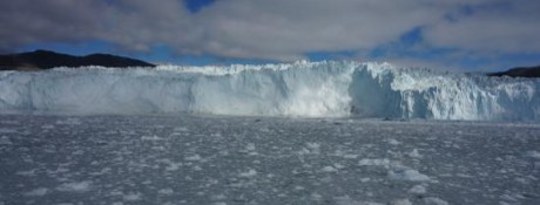
For several years now climatologists have puzzled over an apparent conundrum: why is Antarctic sea ice continuing to expand, albeit at the relatively slow rate of about one to two percent per decade, while Arctic sea ice has been declining rapidly?
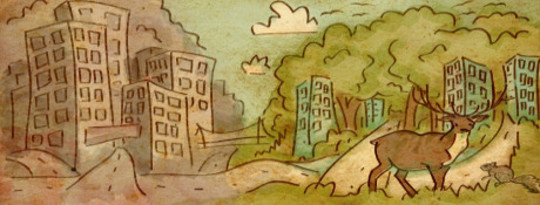
When we design cities like ecosystems, they have the potential to address many of our most pressing issues. Of all the things people build, cities are the most important.
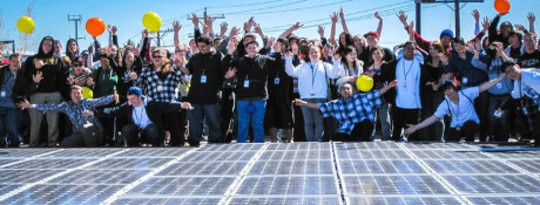
There is no shortage of shouting and dire warnings about the state of the climate and our need to phase out fossil fuels. But there is a more silent revolution happening too — in micropower.

The United States, the world’s biggest historical emitter of greenhouse gases, has pledged to cut emissions by 26-28% by 2025 relative to 2005 levels, while China, the current biggest emitter, has promised to peak its emissions by no later than 2030.
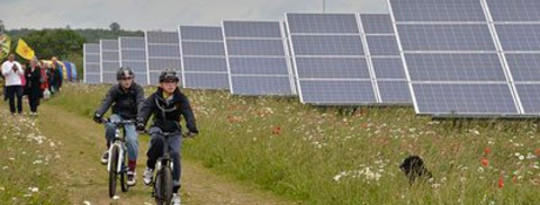
When it comes to providing jobs and money to towns and cities, not all renewable energy is created equal. At last month’s People’s Climate March, among the most popular signs were ones supporting renewable energy like wind and solar as the best way to avoid a climate catastrophe.
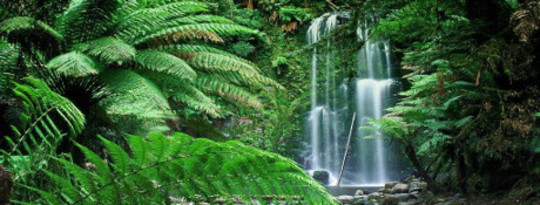
Through burning fossil fuels, humans are rapidly driving up levels of carbon dioxide in the atmosphere, which in turn is raising global temperatures.
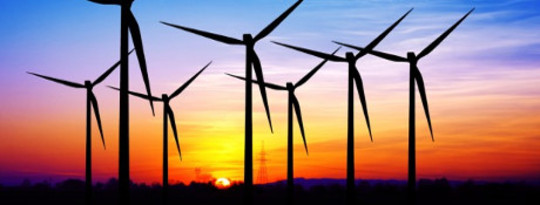
Groups have been divesting money from oil, coal, and gas for years. Now they’re hoping to get more climate-healing bang for their buck.

One of nature’s most spectacular events occurs every autumn, when the leaves of hardwood trees burst into brilliant color before falling to the ground. These autumnal displays entice people to experience nature in all its raw beauty.

Global business can find good investments that also address climate change by looking to the world’s most vulnerable populations.

Combined, the People’s Climate March on Sunday followed by Flood Wall Street the next day, uplifted a narrative around climate change that was impossible for even the most mainstream of media to ignore. In the words of Fox News talking head James Carville, “It’s the economy, stupid.”
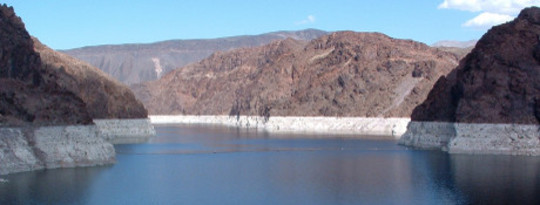
Despite what appears to be an insurmountable problem, it may be possible to significantly reduce global water scarcity in 35 years.
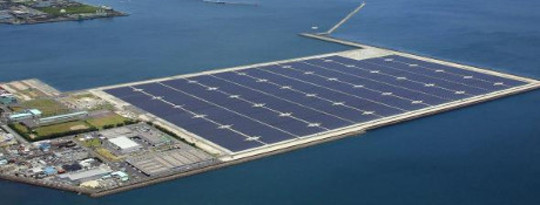
Two companies in Japan recently announced they are to begin building two huge solar power islands that will float on reservoirs. This follows Kagoshima solar power plant, the country’s largest, which opened in late 2013 and is found floating in the sea just off the coast of southern Japan.
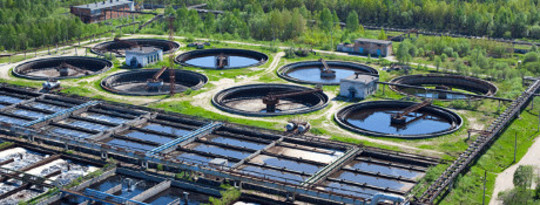
The critical links between water, sanitation, and our global consumption of energy – the “energy-water nexus” are more obvious than ever before. But how many of us will take direct action at the most basic level of all?

I believe we have a problem — a big problem. According to demographers, by the end of this century we’ll have around 11 billion mouths to feed. Most of the additional 4 billion people alive then will be in developing nations.
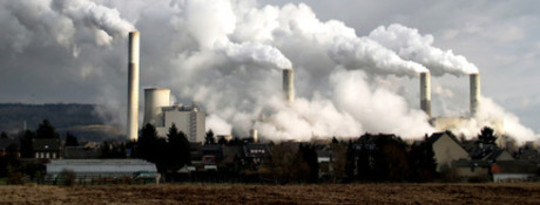
After a decade of relatively little rain, California is facing its third year of debilitating drought. The drought has placed a $44.7-billion-a-year agriculture industry, drinking water for millions of people, and some 204 cities located in high-risk fire zones in jeopardy.

Globally 1.2 billion people live in areas of water scarcity — defined by the United Nations as locations with an annual water supply that drops below 1,000 cubic meters per person.

If you’ve ever wondered how much little things really matter, consider the mountain pine beetle. Roughly the size of a grain of rice, the glossy black insect lives only about a year. A throng of beetles can ravage a pine as tall as an eight-story building, as the tree first oozes sap, then its needles turn rusty red...
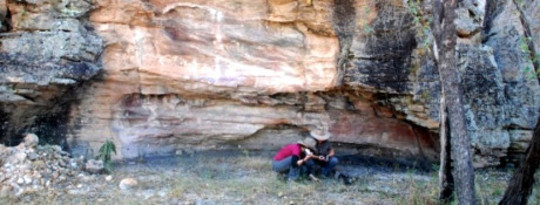
Dire warnings of imminent human-induced climate disaster are constantly in the news but predictions of the end of the world have been made throughout history and have never yet come true.

Spring and summer have come early – and observations from some parts of the country even suggest that typical autumn events, such as the development of beech nuts and hawthorn berries, are already in evidence. But, to understand effects on our wildlife, a longer view is needed...
The quest for happiness often leads to frustration, as many fail to realize that the...

Reaching sixty can evoke complex emotions, blending relief with ongoing ambition. This...

The quest for life's purpose often leads to unsatisfactory answers. This article...

Imagine going through one of the most physically and emotionally demanding experiences...

Romantic love is a complex emotion shaped by historical, cultural, and biological...

Daily actions often conflict with personal beliefs due to past experiences. By utilizing...

Have you ever argued over something that wasn't actually said? From cultural differences...

Therapists often use dream interpretation to delve into patients' emotions, but true...