
Happiness & Success
Achieving Happiness Through Acceptance of Life
The quest for happiness often leads to frustration, as many fail to realize that the...








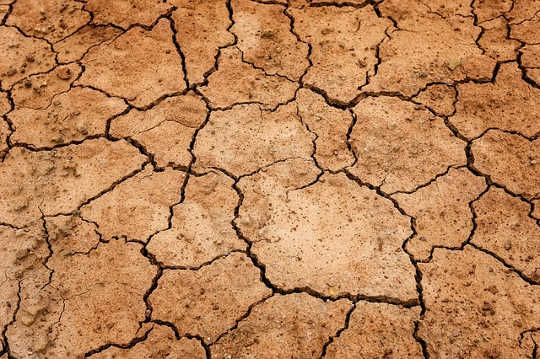
New research asks a big question: Is there such a thing as a sustainable civilization, perhaps one that lies far beyond our own galaxy? Or are all civilizations doomed to destroy themselves?

I am afraid my message is going to be controversial. You see, I think there are deep problems with the standard climate change narrative, which has equated "green" with carbon reduction.
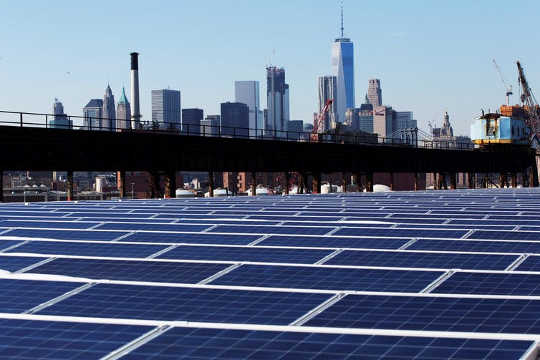
Far from protecting U.S. interests, the tariffs are bound to stifle the current solar boom, destroying American jobs and dragging down clean energy innovation. As economists who research climate and energy policies that can foster a greener North American economy, we argue the government should instead create targeted subsidies that support innovation and lower costs across the supply chain.
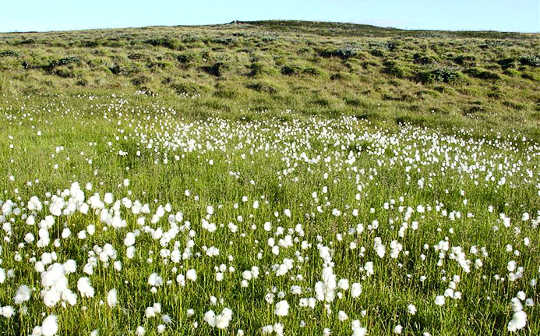
For every 10 degrees north from the equator you move, spring arrives about four days earlier than it did a decade ago, a new study suggests.
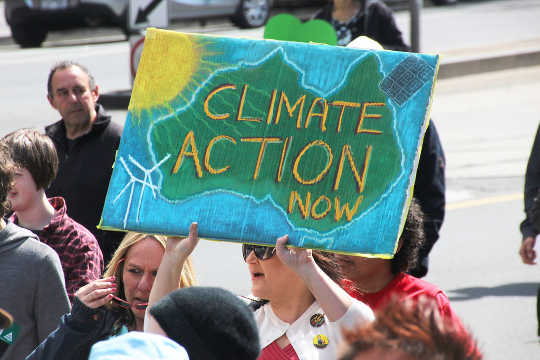 In the 2015 Paris Agreement on climate change, nearly every country on Earth pledged to keeping global temperatures “well below” 2C above pre-industrial levels and to “pursue efforts to limit the temperature increase even further to 1.5C”.
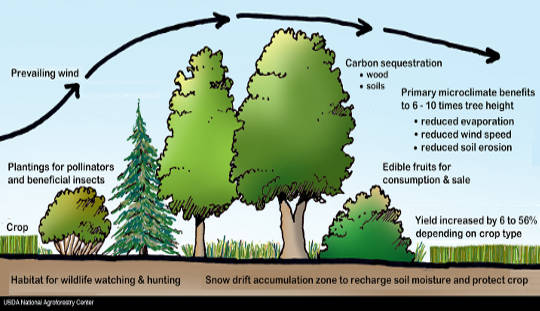
Agroforestry could play an important role in mitigating climate change because it sequesters more atmospheric carbon in plant parts and soil than conventional farming, report researchers.
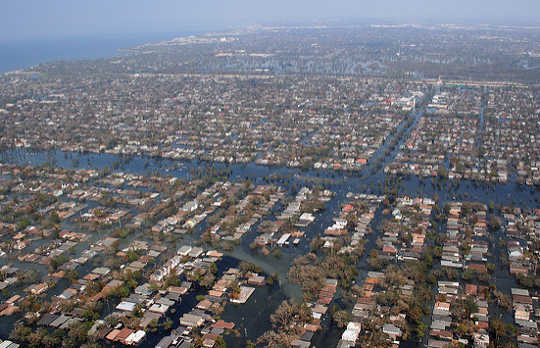
Over the last 30 years, floods have killed more than 500,000 people globally, and displaced about 650m more. In a paper published by the Centre for Economic Performance, we examined why so many people are hit by devastating floods.
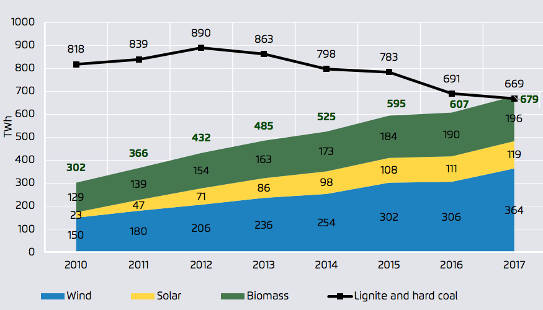
For the first time, the European Union generated more electricity from wind, solar and biomass than from coal in 2017, according to new analysis from two thinktanks.
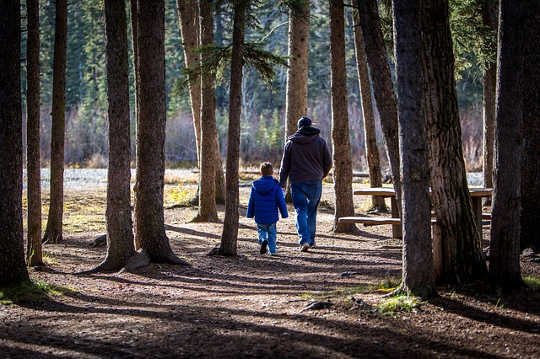
Forest owners at greater risk of illegally cutting trees on their land prefer to join conservation programs that allow sustainable timber harvesting, a new study suggests.
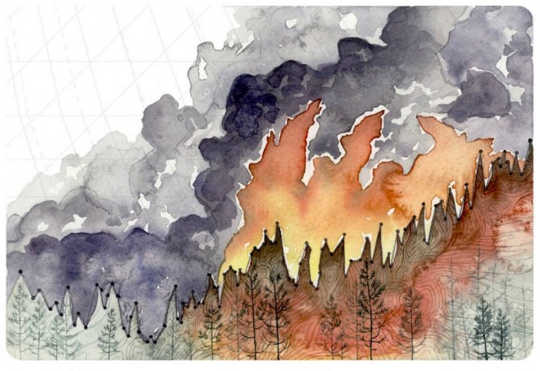 In tumultuous times, art can and must express the turmoil and help us process what’s going on.
 A new water-based air-conditioning system cools air to as low as 18 degrees Celsius (about 64 degrees Fahrenheit) without using energy-intensive compressors and environmentally harmful chemical refrigerants.
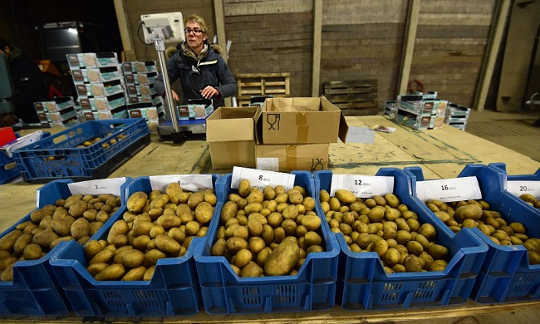 Recently, National Geographic published an article called “This Tiny Country Feeds the World,” where the author extolled the innovations of a small European country that has managed to become a global powerhouse in agriculture and technology—the Netherlands.
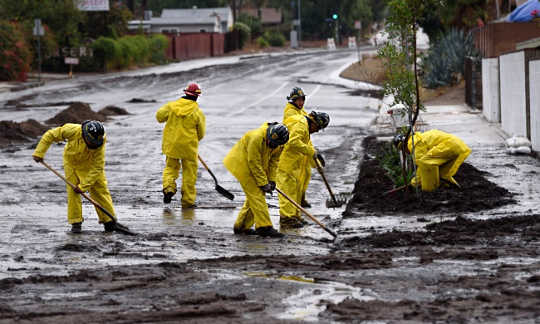
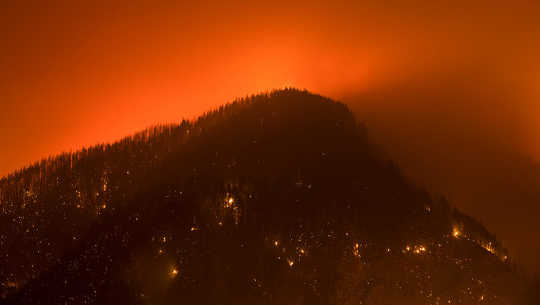 When fires, floods and other major disruptions alter natural areas, our first instinct is to restore what’s lost. But moving forward may mean leaving some treasured things behind.
The Trump administration, and its allies in Congress, are fighting a losing war. They continue to press forward for the development of oil, gas, and coal when the rest of the world understands the implication of that folly. Global warming is the most pressing issue for our time.
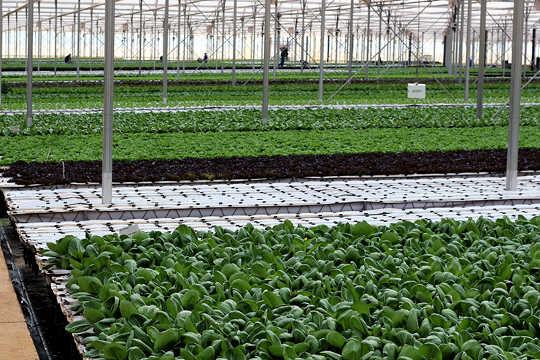
A program of one of the five largest supermarket chains in South Africa, drove increased adoption of environmental practices at the farm level, a new study of the store’s supply chain indicates.
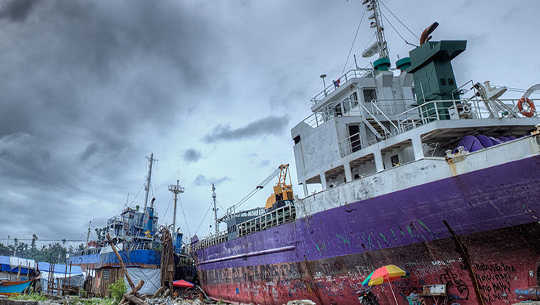 Climate change will not affect every place equally. Here’s what seven regions in the bull’s eye are doing about it now.

New research that combines satellite data with on-the-ground measurements, suggests that as global temperatures rise, spring in the Northeastern United States is starting earlier.
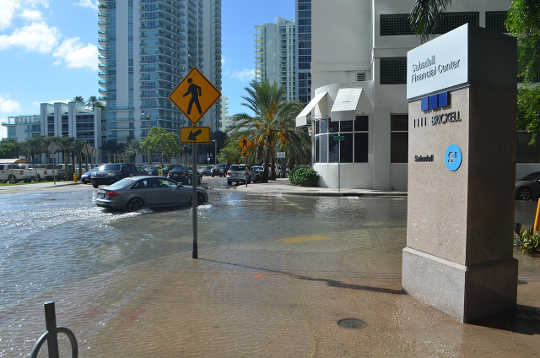 Many scientists have found evidence that climate change is amplifying the impacts of hurricanes. For example, several studies just published in December 2017 conclude that human-induced climate change made rainfall during Hurricane Harvey more intense. But climate change is not the only factor making hurricanes more damaging.
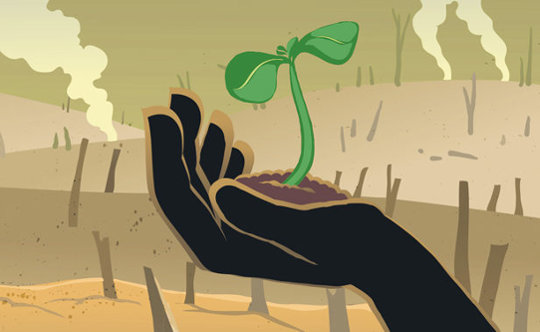 To maintain our capacity to address climate change, we need to recognize and address the trauma it creates.
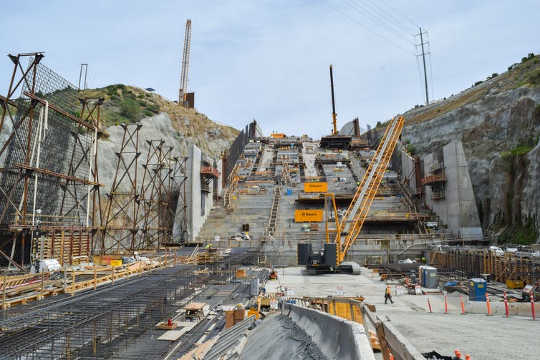 Remember the movie “Moneyball”? The Oakland A’s are struggling, financially and on the baseball field.Then they introduce an innovative system for figuring out which players will improve team performance.
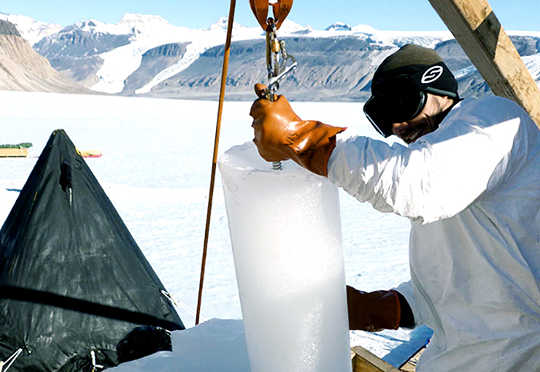 Humans are probably contributing more methane to the atmosphere through fossil fuel use and extraction than scientists previously believed, report researchers.
The quest for happiness often leads to frustration, as many fail to realize that the...

Reaching sixty can evoke complex emotions, blending relief with ongoing ambition. This...

The quest for life's purpose often leads to unsatisfactory answers. This article...

Imagine going through one of the most physically and emotionally demanding experiences...

Romantic love is a complex emotion shaped by historical, cultural, and biological...

Daily actions often conflict with personal beliefs due to past experiences. By utilizing...

Have you ever argued over something that wasn't actually said? From cultural differences...

Therapists often use dream interpretation to delve into patients' emotions, but true...