
Happiness & Success
Achieving Happiness Through Acceptance of Life
The quest for happiness often leads to frustration, as many fail to realize that the...








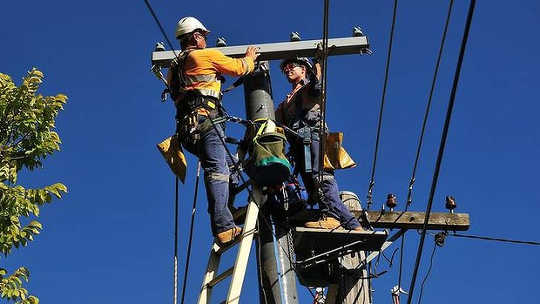 As the country pushes ahead with renewable energy goals, the challenges facing the grid are substantial, but not insurmountable, according to energy experts.
 Each kilo (about 2 pounds, 3 ounces) of homegrown veggies can cut greenhouse gas emissions by two kilograms, research shows.
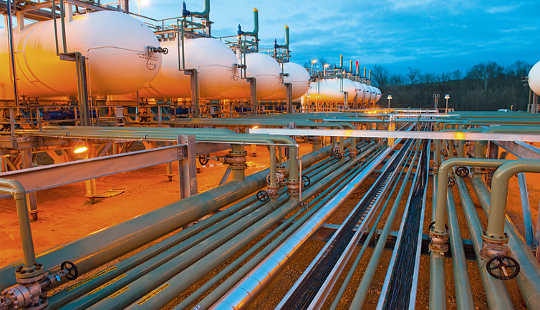 The Aliso Canyon leak in California earlier this year focused public attention on methane emissions from the oil and gas industry.
 Six years ago, Phoenix lay burning in the sun one day. It was 110 degrees Fahrenheit and I was the only person foolish enough to be out walking instead of moving by air-conditioned car. Arriving hot and parched at a bookstore, I opened the doors to be greeted by a blast of arctic air.
 Power companies that take initiative now can position themselves for a bright future in tomorrow’s clean energy economy
 What is so refreshing about the UN’s Sustainable Development Goals is that they recognise the inherent tension between economic development and the ecology of our planet.
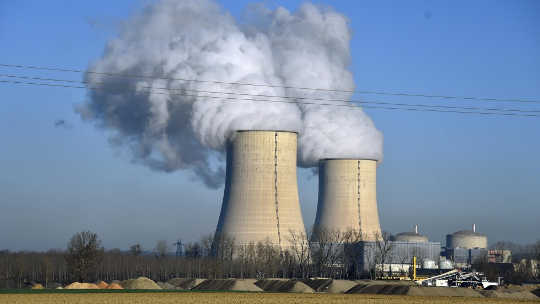
Since the 1950s, U.S. nuclear power has been buoyed by taxpayer subsidies and promises of economic and environmental benefits. However, many of these claims remain unfulfilled, and the industry faces challenges from competitive energy markets and cheaper alternatives. The future of nuclear energy may hinge on new subsidies and policies to remain viable.
 Electrifying transportation is one of the most promising ways to significantly cut greenhouse gas emissions from vehicles, but so-called range anxiety – concern about being stranded with an uncharged car battery – remains a barrier to electric vehicle adoption.
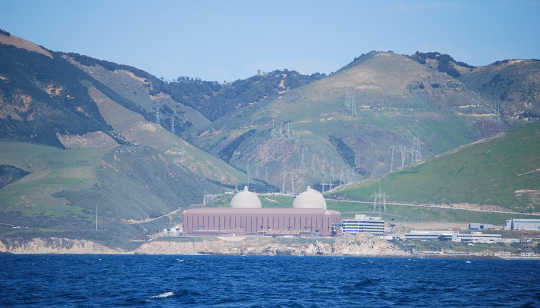 In June, California utility Pacific Gas and Electric announced plans for phasing out its Diablo Canyon nuclear power plant, located on the central California coast.
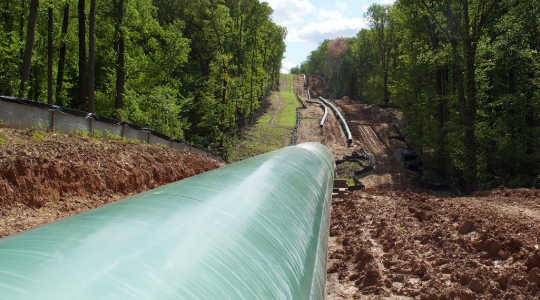 Currently planned gas production expansion in Appalachia would make meeting U.S. climate goals impossible
 Pacific Gas and Electric (PG&E) recently started the process of shutting down the Diablo Canyon generation facility, the last active nuclear power plant in California.
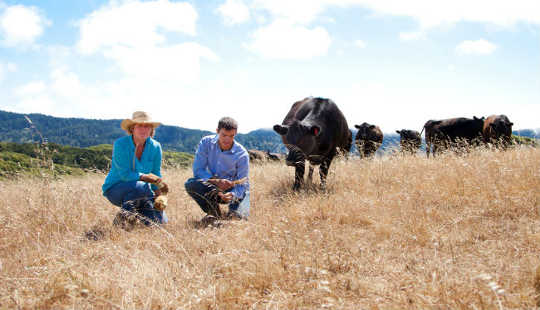 Scientists believe that simple land management techniques can increase the rate at which carbon is absorbed from the atmosphere and stored in soils.
 The problem the world faces is that many of the resources that are truly threatened are the renewable ones, not, as so often assumed, the non-renewables.
 Political hurdles and low prices have made carbon pricing a low-impact affair. But there’s still hope it can help limit climate change. Earth’s atmosphere has long served as a free dump for carbon dioxide and other greenhouse gases generated by humans.
 Forests take up 25 to 30 percent of human-caused emissions of carbon dioxide—a strong greenhouse gas—and therefore are considered to play a crucial role in mitigating the speed and magnitude of climate change.
 Global climate change, driven by human emissions of greenhouse gases, is already affecting the planet, with more heatwaves, droughts, wildfires and floods, and accelerating sea-level rise.
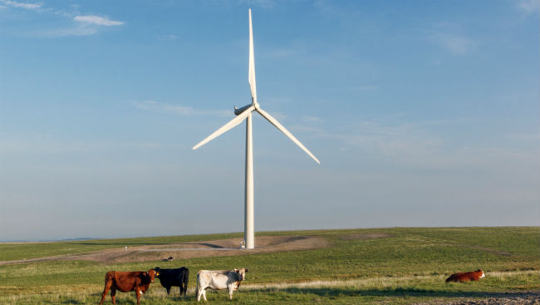 Even though Iowa is typically associated with red state politics, everyone there seems to agree that wind power makes economic sense for one of the windiest states in the country.
 This week’s decision by four Australian Catholic orders to divest fully from fossil fuels can be interpreted as a direct response to the encyclical on the environment, issued by Pope Francis almost exactly a year ago.
 The solar panels of about 40,000 Massachusetts households and community groups cut electricity prices for all of the approximately three million electricity ratepayers in the state, even those without the panels, also called photovoltaics (PV) systems.
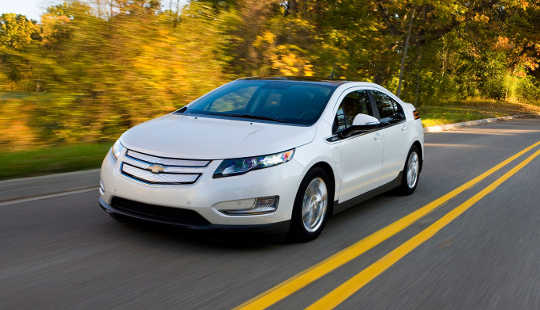 Battery costs are plummeting to levels that make EVs a truly disruptive technology, as we’ve explained. That’s why electric vehicle (EV) sales are exploding world-wide, and why Tesla broke every record for pre-sales with its affordable ($35,000), 200+ mile range Model 3 last month.
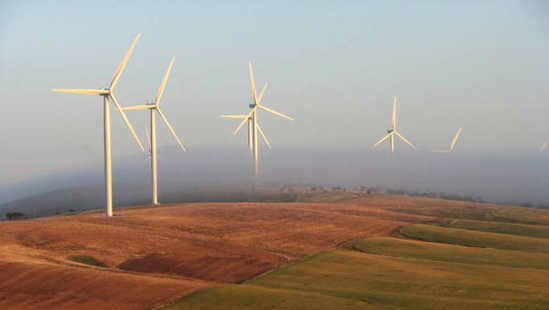 Among climate change activists, solutions usually center on a transition to renewable energy. There may be differences over whether this would be best accomplished by a carbon tax, bigger subsidies for wind and solar power, divestment from fossil fuel companies
The quest for happiness often leads to frustration, as many fail to realize that the...

Reaching sixty can evoke complex emotions, blending relief with ongoing ambition. This...

The quest for life's purpose often leads to unsatisfactory answers. This article...

Romantic love is a complex emotion shaped by historical, cultural, and biological...

Imagine going through one of the most physically and emotionally demanding experiences...

Have you ever argued over something that wasn't actually said? From cultural differences...

Daily actions often conflict with personal beliefs due to past experiences. By utilizing...

Therapists often use dream interpretation to delve into patients' emotions, but true...