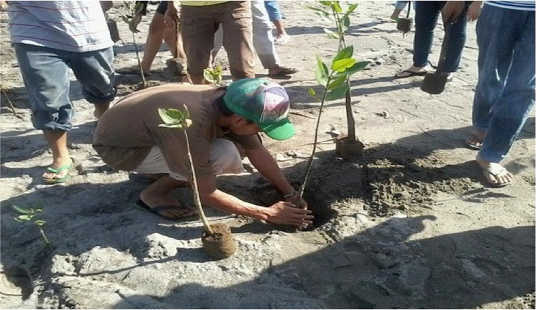
 When we think about adapting humanity to the challenges of climate change, it’s tempting to reach for technological solutions. We talk about seeding our oceans and clouds with compounds designed to trigger rain or increasing carbon uptake. We talk about
Happiness & Success
Achieving Happiness Through Acceptance of Life
The quest for happiness often leads to frustration, as many fail to realize that the...








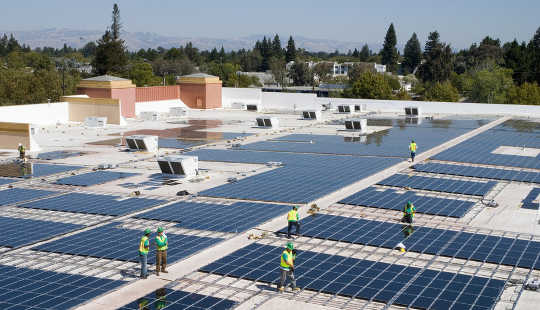 Global demand for energy is increasing by the hour as developing countries move toward industrialization. Experts estimate that by the year 2050, worldwide demand for electricity may reach 30 terawatts (TW). For perspective, one terawatt is roughly equal to the power of 1.3 billion horses.
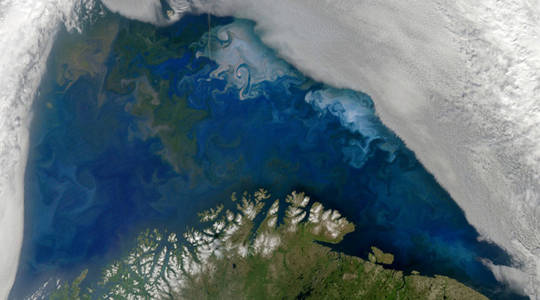 One of the places machine learning is turning out to be the most beneficial is in the environmental sciences, which have generated huge amounts of information from monitoring Earth’s various systems — underground aquifers, the warming climate or animal migration, for example.
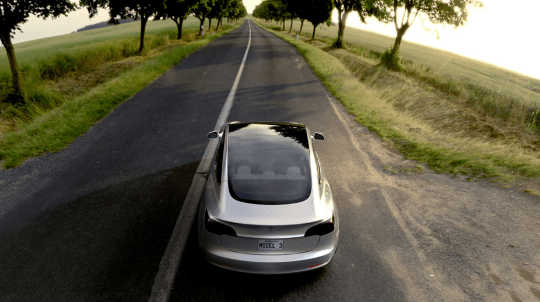 Few product launches in recent memory have captured as much attention as last week’s unveiling of the Tesla Model 3 electric vehicle (EV), Tesla’s first vehicle pitched at the mass market.
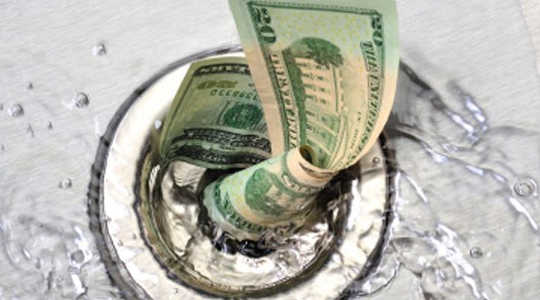 Every time you flush your toilet or drain the bath, you’re losing something surprisingly valuable: heat. It takes a lot of energy to warm up the water in the first place, and vast amounts of this energy simply disappear down and is lost in the environment.
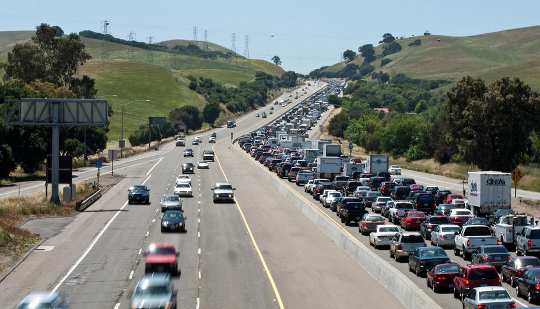 Much of the U.S. was built around the automobile, with greater distances to be covered than in places like Europe, making Americans' daily lifestyles higher in energy than elsewhere.
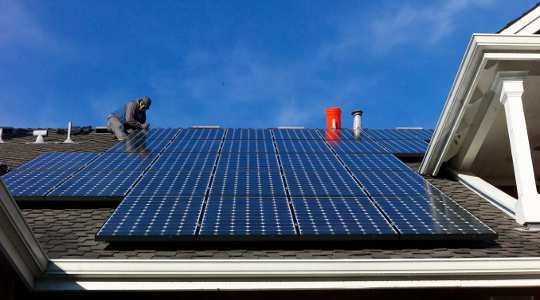 The National Renewable Energy Laboratory this week said that rooftop solar panels have the potential to generate nearly 40 percent of electricity in the U.S. But what about the cost of going solar?
 High in the mountains of Veracruz, Mexico, a small cooperative is “farming carbon” — practicing agriculture in a way that fights climate change while simultaneously meeting human needs.
 As four reactors at the Fukushima Daiichi Nuclear Power plant suffered catastrophic cooling failures and exploded in March 2011, the world watched in disbelief. For Japan, this was not just the
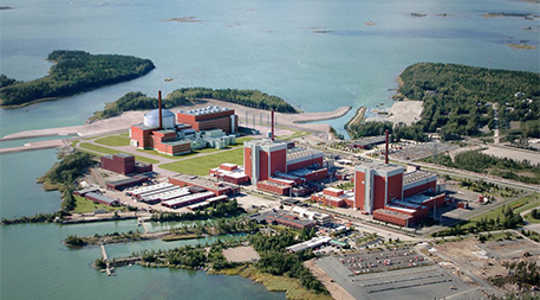 Nuclear power is dead. Long live nuclear power. Nuclear power is the only way forward. Nuclear power is a red herring. Nuclear power is too dangerous. Nuclear power is the safest power source around. Nuclear is nothing. Nuclear is everything.
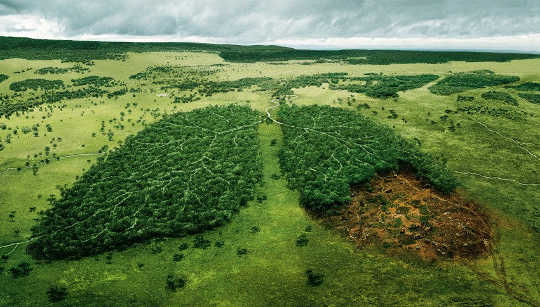 Pension funds, insurance companies and other investors who manage trillions of dollars have an enormous opportunity to change the future by investing in clean energy.
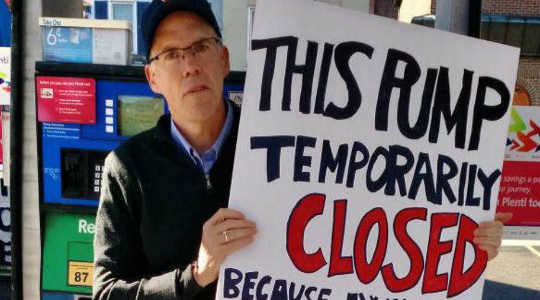 Physics can impose a bracing clarity on the normally murky world of politics. It can make things simple. Not easy, but simple. We have to attack this problem from both ends, going after supply as well as demand.
 As the sun sets on the small Indonesian island of Sumba, Danga Beru Haba begins weaving under the glow of a single incandescent lightbulb, the only one in her home. Although she is tired from working dawn to dusk in the fields surrounding her village of Kampung Kalihi, the sarong she is weaving to sell locally will provide extra...
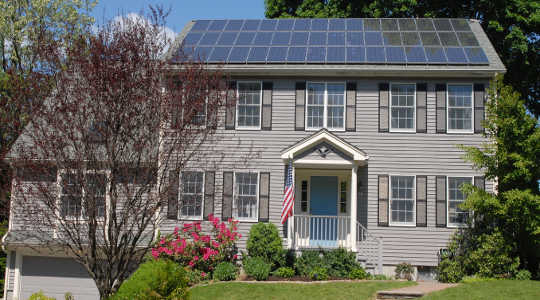 By many accounts, the spread of solar power is unstoppable. Costs continue to fall at a blistering pace, solutions to give consumers a solar-powered home without needing to connect to the grid for back-up power are emerging, and even the
 Despite what the doubters say, a low-carbon economy is not only possible, it makes economic sense.
 Buddhist leaders are urging global leaders to cooperate with compassion and wisdom and reach an ambitious and effective climate agreement at the 21st Session of the Conference of Parties (COP21) to the UN Framework Convention on Climate Change (UNFCCC) in Paris.
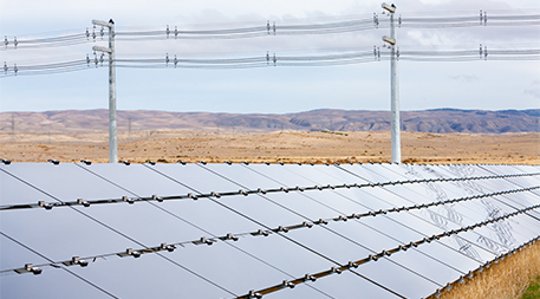 Inside a sprawling single-story office building in Bedford, Mass., in a secret room known as the Growth Hall, the future of solar power is cooking at more than 2,500 °F.
 An increasingly water-stressed world takes a new look at desalination. It seems simple enough: Take the salt out of water so it’s drinkable. But it’s far more complex than it appears at first glance. It’s also increasingly crucial in a world where freshwater resources are progressively strained by population growth, development, droughts, climate change and more.
 California’s byzantine water system and crushing drought are leading farmers to extraordinary measures as they try to keep themselves from running dry. On a warm March afternoon, farmer Cannon Michael walks alongside wheat fields adjacent to his house in Los Banos, in California’s Central Valley. Most of these fields won’t be watered again this year.
 The urge to solve humankind’s energy-generating problems is felt by innovators around the planet. Before the Internet and its open sourcing of knowledge, lone inventors tried to single-handedly save us from our dependence on dirty fuels. And long before hippies saw the dawning of an Age of Aquarius, a few individuals discovered that water is a key to independence.
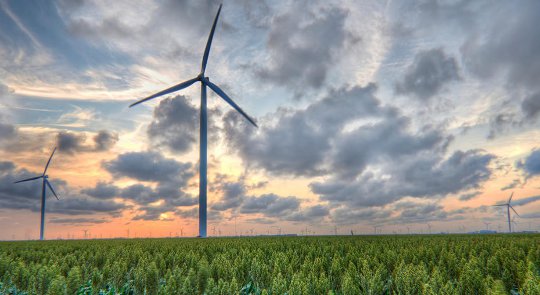 Texas is known for cheap and plentiful energy resources, but they’re usually of the dirty, fossil fuel–based variety. That reputation is changing. Texans can now buy renewable energy packages that are as cheap as or cheaper than the coal- or natural gas–based alternatives.
The quest for happiness often leads to frustration, as many fail to realize that the...

Reaching sixty can evoke complex emotions, blending relief with ongoing ambition. This...

The quest for life's purpose often leads to unsatisfactory answers. This article...

Romantic love is a complex emotion shaped by historical, cultural, and biological...

Imagine going through one of the most physically and emotionally demanding experiences...

Have you ever argued over something that wasn't actually said? From cultural differences...

Daily actions often conflict with personal beliefs due to past experiences. By utilizing...

Therapists often use dream interpretation to delve into patients' emotions, but true...