
Happiness & Success
Achieving Happiness Through Acceptance of Life
The quest for happiness often leads to frustration, as many fail to realize that the...









Whenever I visit the Sahara I am struck by how sunny and hot it is and how clear the sky can be.

According to a recent major UN report, if we are to limit temperature rise to 1.5 °C and prevent the most catastrophic effects of climate change, we need to reduce global CO? emissions to net zero by 2050.
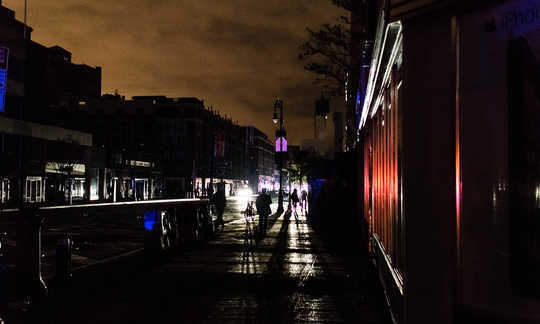
You might find your car dying on the freeway while other vehicles around you lose control and crash.

Search online for “climate change” and “tipping points” and you’ll find some scary results.

The school climate strikes show that young people want to fight climate change, but their enthusiasm for collective action is largely untapped.
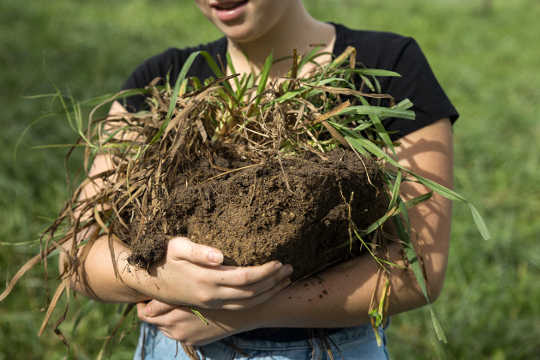
The ideas behind regenerative farming are simple and ancient. The way to stop climate change might be buried in 300 square feet of earth in the Venice neighborhood of Los Angeles, amid kale and potatoes.
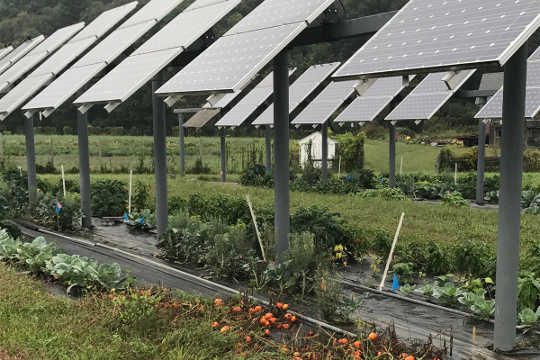
Massachusetts is leading the charge in dual-use solar installations, making it possible to grow some crops and pasture animals while generating clean energy.
 I spend many hours working on my computer while sitting in front of sliding glass doors so as to be part of nature.
 Rapid progress towards clean energy is needed to meet the global ambition to limit warming to no more than 1.5C above pre-industrial temperatures.
 2018 has been a year of unprecedented weather extremes around the world.
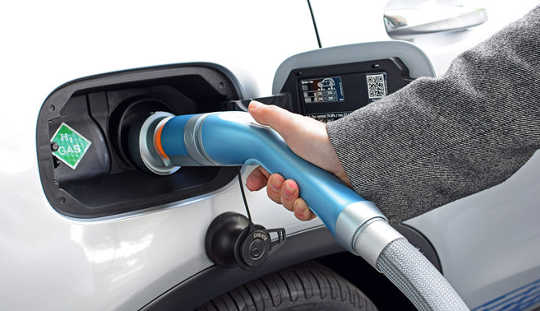
As the price of renewable energy drops and storage technologies mature, hydrogen fuel is drawing fresh attention. Perhaps, finally, hydrogen’s moment has arrived. Japan is planning to use the 2020 Tokyo Olympic Games to showcase its vision for a hydrogen society and has invested US$348 million in establishing hydrogen refueling stations and other infrastructure. Germany has launched the world’s first hydrogen-powered trains...

The latest report from the Intergovernmental Panel on Climate Change (IPCC) has been called a “deafening” alarm and an “ear-splitting wake-up call” about the need for sweeping climate action. But will one more scientific report move countries to dramatically cut emissions?
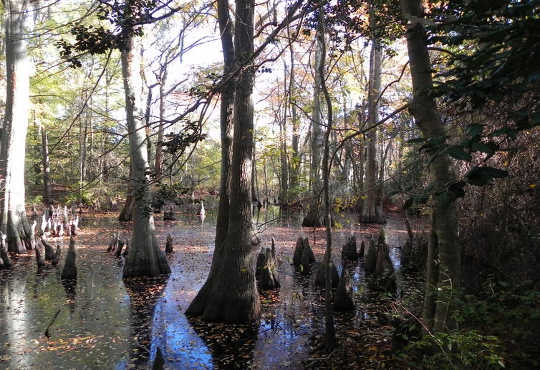
“Drain the swamp” has long meant getting rid of something distasteful. Actually, the world needs more swamps – and bogs, fens, marshes and other types of wetlands.
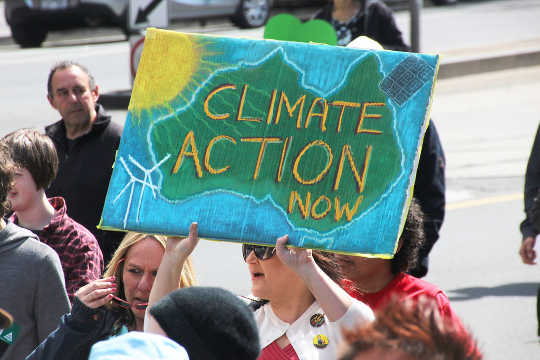 In the 2015 Paris Agreement on climate change, nearly every country on Earth pledged to keeping global temperatures “well below” 2C above pre-industrial levels and to “pursue efforts to limit the temperature increase even further to 1.5C”.
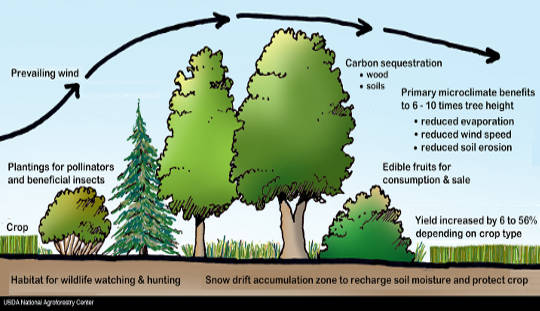
Agroforestry could play an important role in mitigating climate change because it sequesters more atmospheric carbon in plant parts and soil than conventional farming, report researchers.
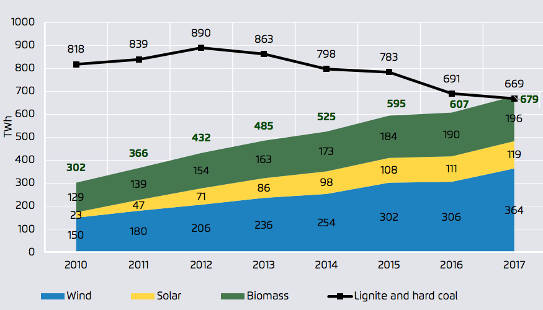
For the first time, the European Union generated more electricity from wind, solar and biomass than from coal in 2017, according to new analysis from two thinktanks.

Forest owners at greater risk of illegally cutting trees on their land prefer to join conservation programs that allow sustainable timber harvesting, a new study suggests.
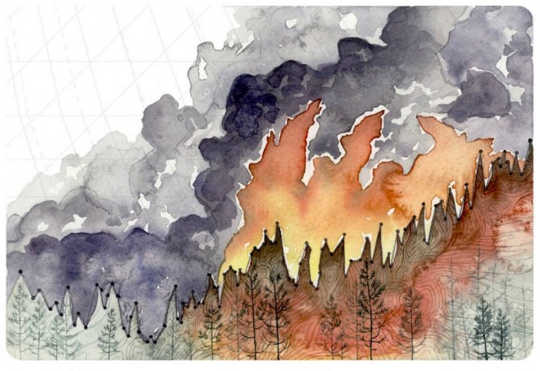 In tumultuous times, art can and must express the turmoil and help us process what’s going on.
 A new water-based air-conditioning system cools air to as low as 18 degrees Celsius (about 64 degrees Fahrenheit) without using energy-intensive compressors and environmentally harmful chemical refrigerants.
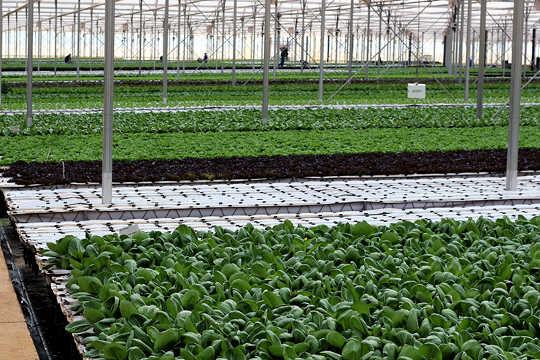
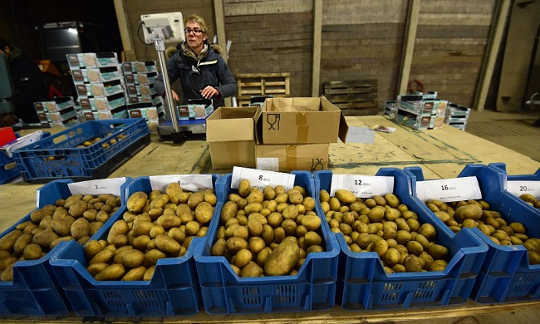 Recently, National Geographic published an article called “This Tiny Country Feeds the World,” where the author extolled the innovations of a small European country that has managed to become a global powerhouse in agriculture and technology—the Netherlands.
A program of one of the five largest supermarket chains in South Africa, drove increased adoption of environmental practices at the farm level, a new study of the store’s supply chain indicates.
The quest for happiness often leads to frustration, as many fail to realize that the...

Reaching sixty can evoke complex emotions, blending relief with ongoing ambition. This...

The quest for life's purpose often leads to unsatisfactory answers. This article...

Romantic love is a complex emotion shaped by historical, cultural, and biological...

Imagine going through one of the most physically and emotionally demanding experiences...

Daily actions often conflict with personal beliefs due to past experiences. By utilizing...

Have you ever argued over something that wasn't actually said? From cultural differences...

Therapists often use dream interpretation to delve into patients' emotions, but true...