











Happiness & Success
Achieving Happiness Through Acceptance of Life
The quest for happiness often leads to frustration, as many fail to realize that the...


What do our possessions really mean to us? Beyond their practical function, the objects we surround ourselves with carry profound psychological significance that shapes our identity, relationships, and sense of well-being. This groundbreaking exploration into the symbolic dimension of material culture reveals how everyday things—from furniture and photographs to clothing and keepsakes—serve as anchors for our sense of self and conduits for emotional energy in our daily lives.
Drawing on extensive research involving in-depth interviews with dozens of families in the Chicago area, this seminal work examines the intricate web of meanings people attach to their household possessions. Rather than dismissing materialism outright or celebrating consumption uncritically, it takes a nuanced psychological approach to understanding why certain objects become invested with deep personal significance while others remain merely functional. The findings illuminate a fundamental aspect of human experience that connects our inner psychological world with the external environment we create around ourselves.
Readers will discover that the relationship between people and things operates on multiple levels simultaneously. Objects serve as symbols of self, helping us define who we are and communicate our identity to others. They function as repositories of memories, anchoring our personal histories and providing tangible connections to our past experiences, relationships, and life transitions. Cherished possessions often represent relationships with loved ones, keeping those connections alive even across distances or after death. Things can also embody our goals and aspirations, serving as reminders of what we hope to become or achieve.
Read more ▼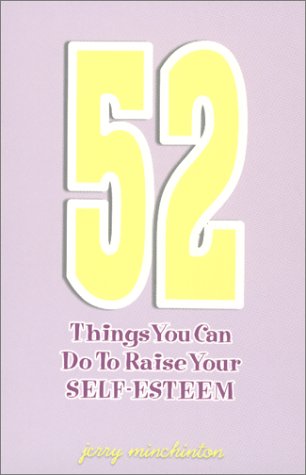
52 Things You Can Do to Raise Your Self-Esteem
Jerry A. Minchinton

Diane M. Berry, Terry J. Berry
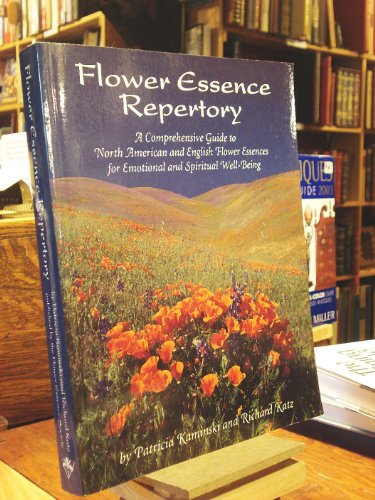
Patricia Kaminski
The quest for happiness often leads to frustration, as many fail to realize that the...

Reaching sixty can evoke complex emotions, blending relief with ongoing ambition. This...

The quest for life's purpose often leads to unsatisfactory answers. This article...

Imagine going through one of the most physically and emotionally demanding experiences...

Romantic love is a complex emotion shaped by historical, cultural, and biological...

Daily actions often conflict with personal beliefs due to past experiences. By utilizing...

Have you ever argued over something that wasn't actually said? From cultural differences...

Therapists often use dream interpretation to delve into patients' emotions, but true...