
















Happiness & Success
Achieving Happiness Through Acceptance of Life
The quest for happiness often leads to frustration, as many fail to realize that the...

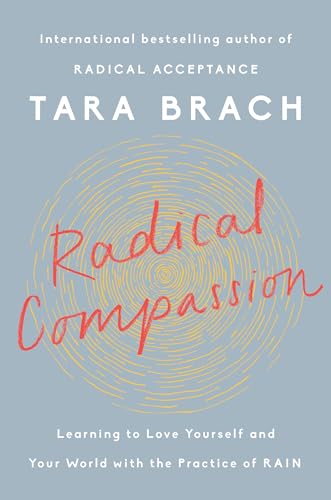
At the heart of our deepest struggles with relationships lies a profound truth: we cannot genuinely love others until we learn to love ourselves. Yet self-compassion remains one of the most challenging practices for many people, often dismissed as self-indulgent or confused with self-pity. This transformative guide offers a practical pathway through the barriers that keep us trapped in cycles of self-judgment, shame, and disconnection from both ourselves and those we care about.
The foundation of this approach rests on a mindfulness tool called RAIN—an acronym for Recognize, Allow, Investigate, and Nurture. This four-step practice provides a structured yet gentle method for meeting difficult emotions and experiences with presence and compassion rather than avoidance or harsh self-criticism. Through decades of clinical experience as a psychologist and meditation teacher, combined with insights from Buddhist psychology and Western therapeutic approaches, readers discover how to transform their relationship with their inner world and, by extension, their connections with others.
The practice begins with learning to recognize what is happening in the present moment, pausing to acknowledge thoughts, emotions, and physical sensations without immediately trying to fix or change them. This simple act of recognition interrupts our habitual patterns of reactivity and creates space for a different response. The second step, allowing, invites us to let our experience be exactly as it is, even when it feels uncomfortable or unwanted. This counterintuitive practice challenges our tendency to resist painful feelings, revealing how much suffering comes not from the initial emotion but from our struggle against it.
Read more ▼
Alex Haley

Reconnecting with Your Estranged Adult Child
Tina Gilbertson

The schools our children deserve
Alfie Kohn

Frédérick Leboyer
The quest for happiness often leads to frustration, as many fail to realize that the...

Reaching sixty can evoke complex emotions, blending relief with ongoing ambition. This...

The quest for life's purpose often leads to unsatisfactory answers. This article...

Romantic love is a complex emotion shaped by historical, cultural, and biological...

Imagine going through one of the most physically and emotionally demanding experiences...

Have you ever argued over something that wasn't actually said? From cultural differences...

Daily actions often conflict with personal beliefs due to past experiences. By utilizing...

Therapists often use dream interpretation to delve into patients' emotions, but true...