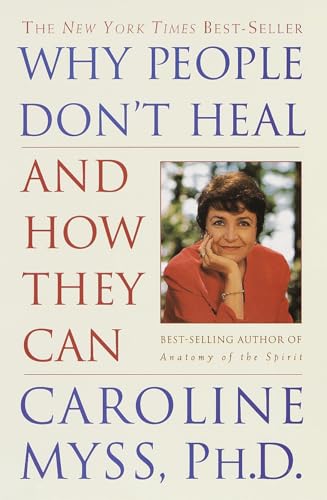








Discover why, despite our best efforts and genuine desire for wellness, so many of us find ourselves stuck in cycles of illness, pain, and dysfunction. This transformative exploration delves deep into the psychological, emotional, and spiritual barriers that prevent healing and reveals the profound truth that our power to recover lies within our own conscious choices.
Many people spend years seeking healing through various modalities—medical treatments, therapy, alternative medicine, and spiritual practices—only to find themselves returning to the same patterns of illness and suffering. The paradox is puzzling: if we genuinely want to be well, why do we continue to sabotage our own recovery? This work addresses this fundamental question head-on, offering readers a revolutionary perspective on what truly blocks our path to wholeness.
One of the central insights presented is that we often derive secondary gains from our illnesses. Illness can provide us with attention, sympathy, an excuse to avoid responsibilities, or a reason to postpone difficult life changes. Whether consciously or unconsciously, we may be invested in remaining unwell because our sickness serves a purpose in our lives. When we understand these hidden payoffs, we gain the ability to release them and choose genuine healing instead. This requires honest self-examination and a willingness to face uncomfortable truths about ourselves.
The exploration extends into how our beliefs shape our physical reality. Our thoughts and convictions about ourselves, our bodies, and our capacity to heal directly influence our ability to recover. If we hold deep-seated beliefs that we are fundamentally broken, unworthy of health, or destined to suffer, these beliefs become self-fulfilling prophecies. By bringing these limiting convictions into conscious awareness, we create the possibility of choosing different beliefs that support healing rather than perpetuate illness.
Throughout this work, readers encounter the concept of personal responsibility in healing. This is not about blame or guilt, but rather about recognizing our power. When we understand that we have participated in creating our health conditions—through our choices, beliefs, stress responses, and coping mechanisms—we simultaneously recognize that we have the power to participate in creating recovery. This shift from victim consciousness to empowered consciousness is revolutionary and liberating.
The spiritual dimensions of healing receive thoughtful attention. True healing often requires a transformation of consciousness, a shift in how we view ourselves and our relationship to life. It may involve releasing resentments, forgiving ourselves and others, finding meaning in our suffering, and reconnecting with a sense of purpose that transcends our physical condition. These spiritual elements are not separate from physical healing but intimately connected to it.
The practical wisdom offered throughout provides readers with frameworks for examining their own healing journey. Questions guide introspection: What purpose does my illness serve? What would change in my life if I became completely well? What beliefs do I hold about my body and my ability to heal? What resistances arise when I consider the possibility of full recovery? By engaging with these questions earnestly, readers begin to uncover their personal blocks to wellness.
This perspective matters profoundly because it restores agency and hope. Rather than viewing ourselves as victims of disease or circumstance, we recognize ourselves as active participants in our own healing process. This shift can be remarkably empowering, transforming our relationship with our bodies and our capacity to create change. The work invites readers into a mature understanding of health and healing that honors both the complexity of human experience and our fundamental capacity for transformation and wholeness.