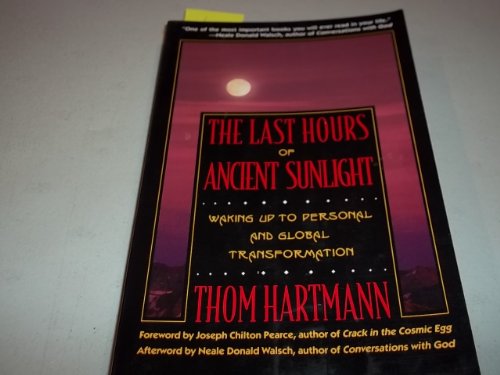















Deep within the fabric of human consciousness lies a profound disconnection from the natural world that has quietly shaped our modern existence. This exploration reveals how our species has drifted from a sustainable relationship with Earth and offers a transformative perspective on what must change if we hope to secure a livable future for generations to come.
The core insight centers on humanity's relationship with ancient sunlight—the fossilized energy accumulated over millions of years that powers our industrial civilization. For merely two centuries, we have been extracting and burning this finite resource at an accelerating pace, fundamentally altering the planet's climate, ecosystems, and social structures. Yet this recent chapter represents only a blink in the vast timeline of human existence. For the vast majority of our 200,000-year presence on Earth, our ancestors lived in conscious partnership with their environment, understanding themselves as part of nature rather than separate from it.
What makes this perspective so compelling for personal transformation is how it reframes our understanding of the present moment. We are not simply inheriting problems created by faceless corporations or distant governments. Rather, we are participants in a cultural story that has led us away from sanity toward unsustainability. Recognizing this pattern offers the first step toward reclaiming our agency and reimagining our role in the world.
The exploration traces the psychological and spiritual dimensions of this disconnect. Early human societies operated with what might be called a "participatory consciousness"—a direct awareness of their interdependence with plants, animals, water, and soil. Indigenous cultures worldwide maintained sophisticated ecological knowledge systems that sustained thriving communities for thousands of years without depleting their resource base. This wasn't naive or primitive; it reflected a different kind of intelligence, one that prioritized long-term sustainability over short-term accumulation.
The shift toward extractive, dominating consciousness occurred gradually through agricultural settlements, then accelerated dramatically with industrialization. As humans created artificial environments and mediated nature through technology, a psychological distance grew. We began to see the natural world as a resource to be exploited rather than a living community to which we belong. This separation, presented as progress and civilization, carries hidden costs that become increasingly visible in environmental degradation, social fragmentation, and spiritual emptiness.
Understanding this historical trajectory matters profoundly for personal empowerment because it liberates us from guilt and blame while simultaneously activating responsibility. We inherit not just problems but also choices. By recognizing how we arrived at this juncture, we gain clarity about alternative paths forward. The crucial question becomes: What kind of consciousness do we choose to cultivate moving forward?
The material presents practical dimensions alongside philosophical ones. Climate destabilization, resource depletion, and ecosystem collapse are not abstract concerns. They affect water availability, food security, economic stability, and social cohesion. Yet rather than inducing despair, understanding these connections can catalyze purposeful action. When we see how our personal choices—what we eat, how we travel, what we consume—connect to larger systems, we reclaim our power as conscious participants in shaping outcomes.
Perhaps most significantly, this exploration invites us to imagine and embody a new story. Rather than accepting the narrative of inevitable decline, we can pioneer a return to sustainable partnership with the living world. This doesn't mean abandoning modern medicine, literacy, or technology. Instead, it means integrating scientific knowledge with ecological wisdom, pursuing progress that genuinely enhances wellbeing without destroying the systems that sustain all life.
This transformation begins internally—with shifts in awareness, values, and priorities. As individuals awaken to their connection with nature and to each other, movements gain momentum. Communities implement sustainable practices. Markets shift. Policies change. Personal growth and planetary healing become inseparable dimensions of the same awakening.
For readers seeking to understand their role in pivotal historical moments and to discover how personal transformation intersects with collective healing, this material offers essential perspective, hope, and actionable wisdom.