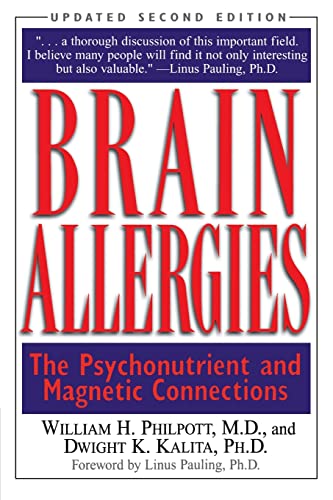



















Discover how the foods you eat and the substances in your environment might be quietly sabotaging your mental clarity, emotional stability, and overall well-being. What millions of people dismiss as depression, anxiety, hyperactivity, or simply "having a bad day" could actually stem from a biological phenomenon that mainstream medicine has largely overlooked: allergic reactions occurring within the brain itself.
This groundbreaking exploration presents a paradigm shift in how we understand the connection between our physical bodies and our mental health. For decades, mental health professionals have separated psychiatric symptoms from allergic responses, treating them as entirely distinct medical domains. However, emerging research and clinical evidence suggest this division may be fundamentally flawed. When allergens—whether from foods, chemicals, or environmental pollutants—enter the body, they don't simply cause itching, swelling, or congestion. In susceptible individuals, these substances can trigger inflammatory responses in the brain that manifest as emotional disturbances, behavioral problems, cognitive difficulties, and various psychiatric symptoms.
The implications are profound. Countless individuals suffering from depression, bipolar disorder, anxiety, attention deficit disorder, and other mental health challenges have been prescribed psychiatric medications when their true problem was biological in nature. These people weren't simply born with faulty neurochemistry requiring pharmaceutical intervention; rather, their brains were reacting to specific substances in their diet or environment. Once these triggers are identified and eliminated, many experience remarkable improvements without relying solely on psychotropic drugs.
Throughout this eye-opening journey, you'll learn to recognize the warning signs that your mental or emotional struggles might have an allergic component. The symptoms can be surprisingly varied: sudden mood swings, brain fog, difficulty concentrating, irritability, fatigue, sleep disturbances, and emotional volatility. Some people experience what feels like depression or anxiety that seems to appear and disappear without obvious cause. Others struggle with persistent behavioral patterns that no amount of therapy or willpower can overcome. These fluctuating symptoms, particularly when they don't follow predictable patterns, often point toward a biological rather than purely psychological cause.
The practical knowledge shared reveals which common foods are most frequently implicated in brain allergies. Many of these are considered "healthy" options by conventional nutritional standards, which explains why people may be unwittingly perpetuating their own mental health struggles through their daily eating habits. Additionally, you'll discover how to identify whether your symptoms might be linked to environmental chemicals, air quality, water contaminants, or other exposure factors that affect brain function.
Perhaps most valuable is the systematic approach to detective work presented here. Rather than accepting a psychiatric diagnosis and a prescription bottle as your permanent future, you'll learn how to become an investigator of your own health. The elimination diet protocol and symptom-tracking methods described provide concrete tools for identifying your personal triggers. This empowering approach transforms you from a passive patient receiving treatment to an active participant in your own healing.
Understanding this connection between allergens and mental health represents a crucial piece of the wellness puzzle that many people have been missing. It explains why some psychiatric medications work wonderfully for certain individuals while others find them ineffective or experience unbearable side effects. It accounts for why therapy alone sometimes reaches a plateau despite excellent work and commitment. Most importantly, it opens doors to healing that don't require lifelong pharmaceutical dependence.
This information carries profound spiritual and personal growth implications as well. When you realize that your emotional suffering might stem from identifiable physical causes rather than deep character flaws or irreparable psychological damage, you reclaim agency over your own well-being. The mental clarity and emotional stability that emerge from addressing biological triggers enable you to engage more fully with your personal growth journey, spiritual practice, and relationships.
For anyone struggling with mental health challenges, or for those who support such individuals, this perspective offers hope grounded in biological science and real-world clinical success.