
















Our minds possess one of nature's most remarkable yet misunderstood capabilities: the ability to reason. We like to think of ourselves as rational creatures, making logical decisions based on careful analysis and objective facts. Yet anyone who has engaged in a heated debate, tried to change someone's mind, or examined their own decision-making knows that the reality is far more complex. What drives our reasoning? Why do we find some arguments convincing while dismissing others that seem equally logical? And most intriguingly, why does reason so often fail us?
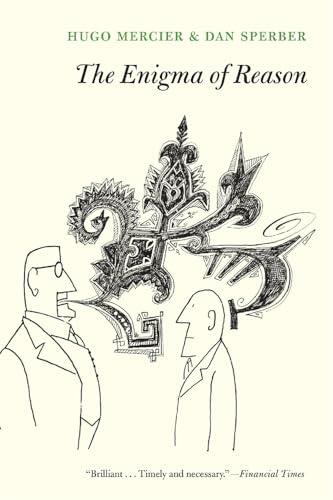
This exploration delves into one of the most profound questions about human cognition: understanding why our reasoning abilities evolved in the first place and how they actually function in our daily lives. Rather than accepting the popular notion that reasoning exists primarily to help us find truth and make better decisions, this investigation reveals a startlingly different purpose that transforms how we understand ourselves and our relationships.
The conventional wisdom suggests that reasoning is an internal tool we use to think through problems, weigh evidence, and arrive at sound conclusions. It's portrayed as our defense against error and irrationality. Yet the evidence suggests something different. Our minds evolved reasoning capabilities that excel at something quite distinct: justifying our existing beliefs to others and critically evaluating the justifications that others present to us. This realization opens a gateway to understanding why we think the way we do and why we so often find ourselves at odds with those around us.
When you recognize that reasoning primarily serves a social function rather than a purely individual one, everything shifts. Suddenly, it becomes clear why smart people can hold seemingly irrational beliefs. It explains why facts alone rarely change minds, no matter how compelling. It illuminates why confirmation bias feels so natural and why we're so skilled at finding flaws in arguments we disagree with while being blind to flaws in arguments supporting our preferred views. We're not broken; we're following reasoning's actual evolutionary blueprint.
For anyone seeking personal empowerment, this understanding proves transformative. How can you navigate your relationships more effectively if you don't understand the actual mechanics of how people think and communicate? How can you persuade others or be persuaded toward truth if you're working with an incorrect model of reasoning? How can you resolve conflicts if you believe the problem is stupidity or stubbornness when the actual issue lies in reasoning's inherent social design?
This investigation provides concrete insights into improving argumentation and persuasion. When you understand that you're not just trying to convince someone's logical faculty but engaging in a complex social dance, your entire approach transforms. You learn why certain strategies work with some people while failing spectacularly with others. You discover that being right isn't the same as being persuasive, and that effective communication requires understanding what motivates human thought far more deeply than most people realize.
The exploration extends beyond mere intellectual understanding. It touches on the spiritual and relational dimensions of human existence. How we reason together shapes our communities, our relationships, and ultimately our world. When we grasp that reasoning evolved as a tool for collective intelligence rather than individual thinking, we begin to see conflict and disagreement in a new light. Rather than problems to be eliminated, they become opportunities for genuine collective reasoning that could benefit everyone involved.
For the spiritually inclined, this material offers profound insights into consciousness itself. Understanding the architecture of human reasoning opens windows into the nature of mind, free will, and human potential. It suggests that our capacity to work through ideas together represents a unique human strength, one that requires nurturing and understanding rather than dismissal.
This exploration matters because it strikes at the heart of how we understand ourselves and navigate our relationships. In a world of increasing polarization and disagreement, understanding the true nature of reasoning becomes not merely academic but essential for anyone seeking growth, connection, and meaningful change.