












# Understanding the Language of Horses: A Journey into Compassionate Communication
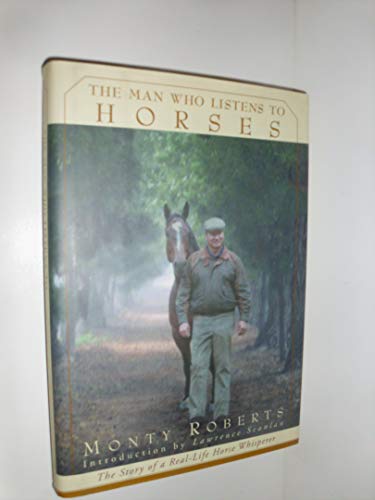
Discover a revolutionary approach to connecting with horses that challenges everything we thought we knew about animal training and human-animal relationships. This transformative work reveals how listening—truly listening—can bridge the profound gap between species and create relationships built on trust rather than dominance.
The narrative takes readers into the world of horse training through a unique lens: what if horses were trying to communicate with us all along, and we simply didn't know how to hear them? This exploration begins with a personal journey marked by hardship and discovery. The author grew up witnessing traditional horse breaking methods that relied on force, punishment, and intimidation. Rather than accepting these practices as necessary, he began observing wild horses in their natural environment, watching how they interacted with one another, how they established hierarchies, and how they communicated complex information through body language and behavior.
This careful observation became the foundation for an entirely new philosophy of horsemanship. Instead of imposing human will onto these powerful animals through pain and fear, this approach seeks to understand the horse's natural language and work within that framework. The result is a method that sounds almost magical in its effectiveness: horses that were previously considered untamable, dangerous, or severely traumatized could be gentled and trained without a single act of violence or coercion.
Readers will discover the specific signals and communications that horses use to express themselves. You'll learn how horses read body language with astonishing accuracy and respond to subtle shifts in posture, eye contact, and movement. The work explains how a horse perceives threats, builds trust, and naturally seeks partnership rather than conflict. This understanding becomes a powerful tool for anyone who works with horses, whether you're an experienced equestrian, a beginner, or someone who simply wants to deepen your connection with these magnificent creatures.
Beyond the technical aspects of horse training, this work offers profound lessons about patience, empathy, and the power of non-violent communication. The stories woven throughout demonstrate how understanding another being's perspective—truly stepping into their experience—can transform relationships. These principles extend far beyond the stable. Readers often find that the insights about listening, observation, and respectful communication apply to their human relationships as well. Parents, teachers, managers, and anyone seeking to influence others with grace will find valuable wisdom here.
The personal narrative adds emotional depth to the practical teachings. The author's journey from a childhood marked by abuse and struggle to becoming an internationally respected expert shows how compassion and innovation can overcome generational patterns. His determination to find a better way, despite enormous pressure from the traditional equestrian establishment, demonstrates the power of trusting your own observations and values.
What makes this work particularly significant for our time is its fundamental message about consciousness and connection. As we increasingly recognize our interconnectedness with nature and other living beings, this exploration of cross-species communication becomes deeply relevant. It suggests that the violence we inflict on animals often reflects the violence we accept in our own lives and institutions. By learning a gentler way with horses, we're invited to consider gentler approaches to all our relationships and challenges.
For those with horses, this material offers practical, immediately applicable techniques that produce measurable results. For those without direct contact with horses, the philosophical and psychological insights provide food for thought about dominance, control, communication, and the possibilities that emerge when we choose understanding over force. This work ultimately stands as a testament to what becomes possible when we stop trying to make others conform to our expectations and start genuinely listening to what they're trying to tell us.