


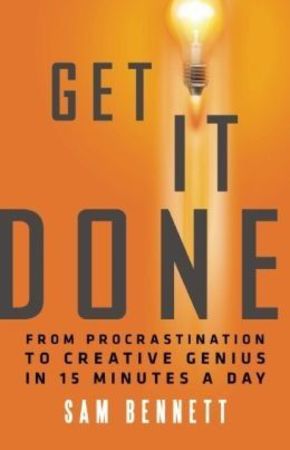











# Understanding Conflict Through a Transformative Lens: A Classic Work on Strategy and Human Nature
Conflict shapes human civilization. From intimate personal disputes to international crises, the dynamics of struggle, negotiation, and resolution touch every aspect of our lives and societies. Yet most people approach conflict reactively, without deep understanding of its fundamental nature or the principles that govern it. This timeless examination of warfare and strategy offers far more than military tactics—it presents a profound philosophy about human nature, decision-making, and the forces that drive nations and individuals toward confrontation and resolution.
This seminal work presents a revolutionary framework for understanding conflict that remains strikingly relevant in our modern world. The analysis penetrates beneath surface-level discussions about weapons and armies to explore the psychological, political, and emotional dimensions of struggle. Readers will discover that the principles governing military conflict apply equally to business negotiations, political campaigns, social movements, and personal relationships. By grasping these universal principles, one gains clarity about how power dynamics operate across all human endeavors.
The work introduces the concept that war is not a standalone phenomenon but rather an extension of politics and policy by other means. This insight fundamentally reframes how we understand international relations and conflict resolution. Rather than viewing warfare as something entirely separate from diplomacy or statecraft, this perspective shows how all three exist on a continuum. For readers invested in social consciousness and political awareness, this framework provides essential tools for comprehending why nations act as they do and how conflicts might be prevented or resolved through understanding their underlying political purposes.
One of the most valuable insights offered is the recognition of the fog and friction inherent in any conflict or complex undertaking. Perfect information, rational actors, and predictable outcomes are myths. Instead, uncertainty, miscommunication, and the unpredictable human element create chaos that no amount of planning can entirely eliminate. This recognition proves liberating for readers seeking to understand their own lives and societal challenges. Accepting that confusion and unexpected obstacles are inevitable features of any significant endeavor allows for greater resilience and adaptive thinking.
The work emphasizes the importance of will, courage, and moral strength alongside material resources. While acknowledging that supplies, weapons, and numbers matter, it argues persuasively that psychological factors often prove decisive. This insight speaks directly to personal growth aspirations—understanding that mental fortitude, clarity of purpose, and psychological resilience can overcome seemingly insurmountable material obstacles. The principle applies whether one faces external opposition or internal resistance to transformation.
Readers will encounter profound discussions about leadership, decision-making under pressure, and the responsibility that comes with wielding influence. These chapters offer wisdom for anyone in positions of authority or seeking to exercise greater influence in their communities. The analysis of how leaders must balance competing demands—including the needs of their constituents, the constraints of reality, and the moral dimensions of their choices—provides a mature, sophisticated framework for ethical leadership in complex situations.
The work also addresses the role of emotion, intuition, and genius in shaping outcomes. Rather than dismissing these elements as primitive or inferior to pure reason, it recognizes them as essential components of effective decision-making. This perspective aligns with modern understanding of human psychology and offers validation for those who trust their intuitive wisdom alongside analytical reasoning.
For those seeking to understand the political and social currents shaping our world, this examination provides foundational knowledge. It explains why nations behave as they do, how resources get mobilized for collective action, and the complex interplay between leadership, public will, and material circumstances. This understanding proves essential for citizens wishing to engage thoughtfully with democracy and social issues.
Ultimately, this exploration invites readers into a deeper comprehension of human conflict, strategy, and decision-making that transcends its apparent subject matter. By understanding these universal principles, one gains wisdom applicable to personal challenges, professional aspirations, and the collective challenges facing humanity.