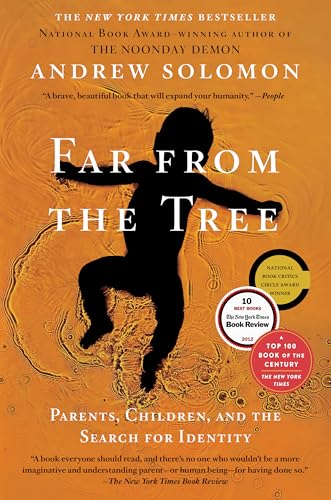



Deep within the human experience lies a fundamental question that many parents and adult children grapple with: What does it mean when a child grows up to be profoundly different from their family of origin? This exploration takes readers on a transformative journey through the lives of families navigating some of the most challenging and ultimately enriching experiences possible.
The work examines families dealing with deafness, dwarfism, autism, schizophrenia, multiple severe disabilities, and giftedness—conditions that mark children as fundamentally different from their hearing, typically-sized, neurotypical parents. Rather than treating these differences as tragedies or problems to be solved, the narrative reframes them as profound variations in human identity and experience. Through extensive interviews and deeply personal stories, readers encounter families that have learned to bridge seemingly unbridgeable gaps, creating meaning and connection across radical difference.
What makes this exploration particularly powerful for those seeking personal growth is how it challenges our deepest assumptions about normalcy, acceptance, and love. Many readers discover that the real journey isn't about changing the child or accepting a diagnosis—it's about the parents themselves undergoing a profound transformation in how they understand identity, purpose, and what it means to be human. This psychological and spiritual evolution offers lessons far beyond the specific conditions discussed.
Throughout these narratives, several transformative insights emerge. First, there's the recognition that many parents initially grieve not their child's condition, but rather their own unfulfilled expectations. Learning to release these expectations and meet their child as they actually are becomes a gateway to genuine love and acceptance. This process of letting go of who we thought our loved ones should be is universally relevant, extending far beyond families with special needs. It speaks to anyone struggling to accept the people they love—or indeed, to accept themselves.
The book also explores how families often discover unexpected gifts within apparent challenges. Parents report developing deeper compassion, more authentic relationships, and a clearer sense of what truly matters in life. Children with these identities frequently become powerful teachers, showing their families—and through these stories, showing readers—what genuine resilience, adaptation, and joy can look like. Many of these young people develop remarkable wisdom and perspective precisely because they've had to navigate a world not designed for them.
For spiritual seekers and those on personal development journeys, this material offers profound teachings about acceptance, surrender, and the nature of identity itself. How do we define ourselves and our loved ones? What does it mean to honor someone's authentic being rather than imposing our vision onto them? These questions form the heart of any genuine personal transformation.
The work also addresses practical and emotional dimensions that readers find invaluable. Parents learn concrete strategies for advocacy, connection, and parenting outside conventional frameworks. But more importantly, they gain permission to feel the full range of emotions—grief, frustration, joy, pride—without shame or judgment. There's tremendous liberation in witnessing other families navigate these feelings authentically, without pretense.
For adult children featured in these stories, seeing themselves reflected in these pages often becomes a mirror for self-understanding. Young people who felt they were failures or burdens to their families encounter narratives where their very existence becomes the catalyst for their family's spiritual and emotional awakening. This perspective shift can be profoundly healing.
Ultimately, this collection serves as a powerful meditation on what makes life meaningful. It asks readers to examine their own unexamined assumptions about difference, disability, and worthiness. By journeying through these remarkable family stories, readers often find themselves transformed—not because they've learned facts about specific conditions, but because they've witnessed the triumph of human love and acceptance across seemingly impossible divides. This is why this work remains essential reading for anyone committed to genuine personal growth and authentic human connection.