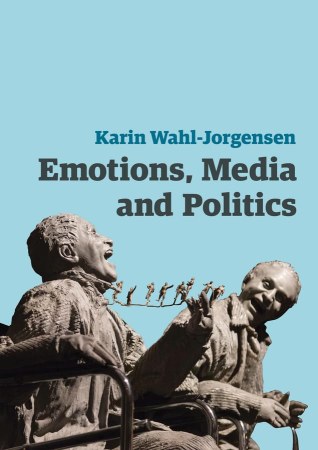













The relationship between our emotions and the political world we inhabit runs deeper than most of us realize. Political change, social movements, and democratic participation are not driven solely by rational deliberation or logical argument. Instead, they emerge from complex emotional landscapes that shape how we understand ourselves, our communities, and the power structures that govern our lives. This exploration reveals how emotions function as a central organizing force in political communication and why understanding this connection is essential for anyone seeking to engage meaningfully with democracy and social change.
For decades, Western political theory has treated emotions as the opposite of reason—something to be overcome, controlled, or excluded from serious political discourse. Yet contemporary research in communication, psychology, and political science demonstrates that this view is fundamentally incomplete. Emotions are not obstacles to rational political thought; they are integral to how political meaning is constructed, circulated, and ultimately shapes our collective reality. By examining the ways media organizations, political actors, and citizens themselves use emotion to communicate about politics, we gain insight into how power actually operates in democratic societies.
The intersection of media, emotions, and politics has become increasingly important in our current era. Digital technologies allow for the rapid dissemination of emotionally charged content, creating feedback loops that amplify certain political narratives while marginalizing others. Social media platforms algorithmically prioritize engagement, which often means prioritizing content that provokes strong emotional responses. Understanding this dynamic is crucial for anyone seeking to develop a more conscious relationship with media and politics. Rather than being passive consumers of emotionally manipulative content, we can become more aware of how emotions are being mobilized and develop greater agency in our political engagement.
What emerges from this exploration is a recognition that political participation is fundamentally emotional work. When we vote, protest, organize our communities, or engage in political conversation, we are drawing on emotional resources, expressing emotional commitments, and responding to emotional appeals from media and political figures. This doesn't make politics less important or less serious; rather, it reveals that truly democratic participation requires us to develop emotional intelligence alongside political awareness. We must learn to recognize our emotional responses to political messaging, understand where those responses come from, and make more conscious choices about how we engage politically.
The role of media in amplifying or dampening certain emotional responses to politics cannot be overstated. News organizations, whether traditional broadcasters or digital publishers, constantly make editorial decisions about which stories to cover, how to frame them, and what emotional tone to employ. These decisions shape not just what we know about politics, but how we feel about it. A story framed as a personal tragedy evokes different emotional responses than the same story framed as a policy failure. These emotional framings influence our political attitudes and behaviors in ways we often don't consciously recognize.
For readers committed to personal growth and social consciousness, engaging with this material offers multiple benefits. First, it develops greater media literacy by revealing the emotional mechanisms through which political power operates. Second, it cultivates emotional awareness by helping us recognize how our feelings are influenced by media narratives. Third, it supports more authentic democratic participation by encouraging us to think deeply about why we believe what we believe and how our emotions inform our political choices. Finally, it opens possibilities for social change by revealing that emotions aren't fixed or inevitable responses to political reality, but rather constructed through social processes that can be made visible and resisted.
This understanding matters profoundly for anyone seeking to live with greater consciousness and integrity. Whether we are working toward social change, seeking to understand current political conflicts, or simply trying to navigate our relationship with news media and political discourse, recognizing the emotional dimensions of politics helps us do so more authentically and effectively. We can move beyond either being swept away by emotional manipulation or falsely believing we can exclude emotion from our political engagement. Instead, we can develop a more sophisticated, emotionally intelligent approach to democracy itself.