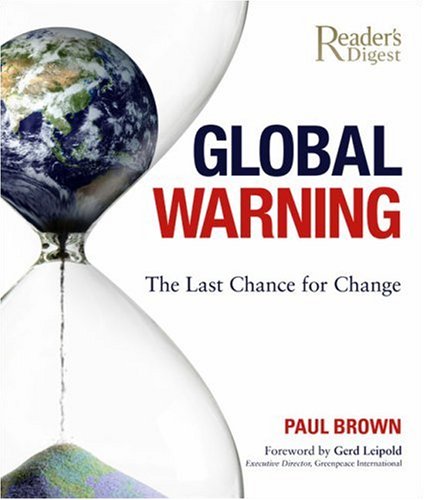
















We live in a pivotal moment in human history where the intersection of environmental science, political decision-making, and personal consciousness has never been more critical. The climate crisis represents far more than a technical problem requiring only scientific solutions; it embodies fundamental questions about power, responsibility, governance, and what kind of world we choose to create for future generations.
This exploration delves into how global environmental change has become inextricably linked with political structures, corporate interests, and the very foundations of democratic governance. Readers will discover the complex mechanisms through which political systems either facilitate or obstruct meaningful environmental action. The narrative reveals how economic interests shape policy decisions, how misinformation campaigns have deliberately muddied public understanding of climate science, and how ordinary citizens can navigate these treacherous political waters to effect real change.
The material presented addresses a fundamental paradox of modern democracy: how societies supposedly governed by the will of the people often fail to respond adequately to existential threats that the majority of citizens recognize as genuine. You'll gain insight into the political machinery that translates (or fails to translate) scientific consensus into policy action. This includes examining how different nations, industries, and political movements have responded to the climate crisis, what has worked, what has failed, and why certain approaches succeed while others collapse under their own contradictions.
For readers committed to personal growth and social consciousness, this work illuminates the often-uncomfortable reality that individual lifestyle changes, while meaningful, exist within a larger political context that determines whether such changes can actually scale to the level needed. Understanding this dynamic is essential for anyone seeking to live authentically and contribute meaningfully to societal transformation. The material explores how political engagement and environmental consciousness are not separate pursuits but deeply interconnected aspects of conscious living.
The content examines how democratic institutions can be strengthened to respond more effectively to long-term challenges that transcend typical electoral cycles. You'll encounter discussions of policy innovation, the role of transparency and public discourse, and how citizens can hold governments accountable. This includes exploring the tension between national sovereignty and global cooperation, between economic growth models and sustainability, and between short-term political expediency and long-term species survival.
What makes this particularly relevant for spiritually-conscious readers is the underlying theme that our environmental crisis is fundamentally a consciousness crisis. It stems from political systems and cultural narratives that treat the natural world as a resource to be exploited rather than a living system of which we are an integral part. The work invites readers to consider how expanded awareness and awakened responsibility must inform our political choices and civic participation.
You'll also gain practical frameworks for understanding news coverage of environmental policy, recognizing propaganda and distortion, and developing more sophisticated perspectives on complex political debates. This media literacy and political understanding are essential tools for anyone wishing to participate consciously in democratic processes and community decision-making.
The broader significance of engaging with this material extends to recognizing that personal transformation and collective transformation are inseparable. How we vote, what we advocate for, whose interests we protect through our political engagement, and what kind of future we are willing to fight for all reflect our spiritual values and conscious development.
This comprehensive examination ultimately serves readers who understand that creating a sustainable, just, and thriving world requires not just individual wisdom but also the wisdom to reshape political structures, challenge powerful interests, and reimagine governance itself. It's an essential read for anyone seeking to align their spiritual awakening with meaningful action in the world.