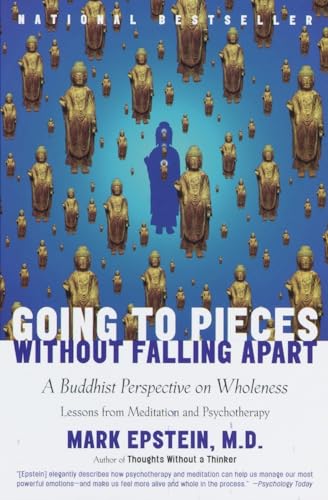










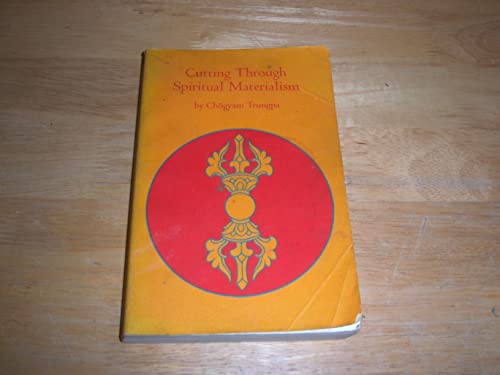



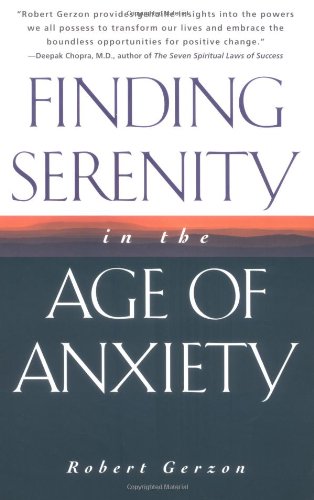


We live in a culture obsessed with wholeness, integration, and putting ourselves together. From self-help seminars to therapy sessions, we're constantly encouraged to get our acts together, to find our center, to achieve perfect balance and harmony. Yet what if the path to genuine psychological health and spiritual maturity actually requires us to allow ourselves to fall apart? What if the disintegration we fear most is precisely what we need to experience to become truly whole?
This exploration delves into a revolutionary approach to personal growth that challenges our fundamental assumptions about mental health, resilience, and the nature of the self. Drawing on Buddhist philosophy and Western psychotherapy, this work presents a liberating perspective that reframes psychological fragmentation not as failure but as an essential gateway to liberation and authentic transformation.
The central paradox presented here addresses a universal human fear: the terror of losing control, of our carefully constructed identity crumbling, of experiencing the dissolution of the ego structures we've built to protect ourselves. Most of us spend our lives reinforcing these structures, believing that their collapse would be catastrophic. Yet the teachings explored in these pages suggest something radically different. The freedom we seek may actually lie on the other side of the very breakdown we most desperately try to avoid.
Readers will discover how Buddhist concepts of non-self and impermanence offer profound psychological insights directly applicable to Western mental health challenges. Rather than viewing the self as a fixed, permanent entity that must be preserved and protected at all costs, this perspective recognizes the self as fundamentally fluid, continuously changing, and ultimately empty of inherent substance. This isn't a pessimistic view but rather a liberating one that frees us from the exhausting project of maintaining a rigid identity.
The practical wisdom contained here addresses how we can learn to tolerate psychological discomfort without immediately rushing to shore up our defenses or numb ourselves with distraction. It explores how anxiety, depression, and emotional pain often arise from our resistance to the natural fragmentary nature of human experience. When we stop fighting the breakdown and instead learn to move through it with awareness and compassion, something remarkable happens. We discover that we're more resilient, more adaptable, and ultimately more whole than we ever imagined.
One of the most valuable insights presented is the recognition that psychological problems often represent not pathology but rather the growing pains of a consciousness seeking to expand beyond its current limitations. The person who finds themselves falling apart might actually be in the early stages of significant growth and transformation. This reframe has profound implications for how we understand and work with our own psychological struggles.
Throughout this exploration, the integration of Eastern spiritual wisdom with Western psychological science creates a bridge between seemingly opposed worldviews. Readers encounter practical tools and conceptual frameworks that help them understand their inner experience more clearly while simultaneously reducing the shame and fear that typically accompanies psychological crisis or breakdown.
The transformative potential of this work lies in its gentle but firm insistence that breakdown can lead to breakthrough. By learning to befriend our fragmentation rather than flee from it, by developing the capacity to sit with uncertainty and impermanence, and by understanding that the dissolution of rigid identity structures creates space for genuine freedom, we discover a path to psychological health that feels counterintuitive but deeply true.
For those on genuine spiritual and psychological journeys, this perspective offers permission to stop trying so hard, to release the exhausting project of holding ourselves together, and to discover what emerges when we finally allow ourselves to fall apart in conscious, mindful ways. The destination isn't stability but flexibility, not invulnerability but genuine strength rooted in acceptance.