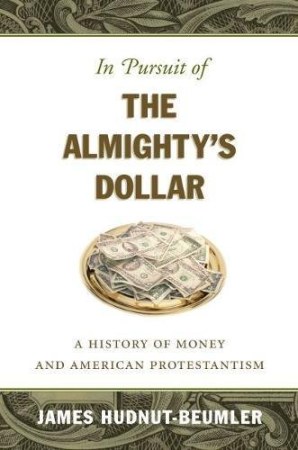

















Money shapes our lives in ways both visible and invisible. It influences our choices, our relationships, our sense of security, and ultimately, our spiritual well-being. Yet for centuries, we have struggled with a profound contradiction: many of us hold deeply spiritual values while simultaneously pursuing material wealth. This tension between the sacred and the material forms the heart of an essential exploration into American religious history and our contemporary relationship with financial prosperity.
This comprehensive examination traces how religious institutions and spiritual traditions in America have grappled with money across more than three centuries. The journey begins in colonial times and extends through the twentieth century, revealing patterns that continue to shape our thinking today. What emerges is a nuanced picture of how different faith communities have attempted to reconcile their spiritual teachings with the undeniable human need for financial security and, sometimes, accumulation of wealth.
Throughout this historical narrative, readers discover how various religious movements developed distinct philosophies about money. Some traditions embraced wealth as a sign of divine blessing, while others viewed it with suspicion as a corrupting force. Methodists, Presbyterians, evangelicals, and other major religious groups each crafted their own theological frameworks to address material prosperity. These frameworks weren't static doctrines but rather evolving responses to changing economic conditions and cultural pressures. By understanding how these traditions responded to economic challenges in their own times, we gain perspective on our current money anxieties and assumptions.
One of the most valuable aspects of this work is its revelation of how religious teachings about money have influenced broader American culture. The Protestant work ethic, for instance, became deeply embedded in American consciousness, shaping attitudes about productivity, self-discipline, and the moral dimensions of earning. These religious ideas didn't remain confined to church walls but migrated into business practices, social policies, and personal values. Recognizing these historical roots helps us examine which financial beliefs we've inherited uncritically and which we might consciously choose to embrace or reject.
For readers on a personal growth journey, this material offers critical insights into why we feel the way we do about money. Many of us experience confusion or guilt when we desire financial security. We may have absorbed conflicting messages from religious upbringing, cultural conditioning, and personal experience. This exploration provides historical context that helps explain these internal conflicts. Understanding that religious communities have been wrestling with these same tensions for centuries can be deeply validating and liberating.
The examination extends beyond theology into practical questions that matter in daily life. How should spiritual people relate to earning? What role should profit play in our decision-making? How do we balance security for our families with compassion for those struggling financially? These aren't merely historical questions but deeply personal ones. By seeing how previous generations approached these dilemmas, we develop wisdom for our own financial choices.
This work particularly matters for those seeking authentic personal empowerment. True empowerment isn't possible when we're unconsciously living out inherited beliefs about money that don't align with our authentic values. By examining the historical and religious roots of our financial attitudes, we create space for genuine choice. We can decide whether we truly believe what we've been taught about money, whether that teaching serves our spiritual growth, and what financial values we genuinely want to cultivate.
The insights here also foster greater compassion and understanding across religious and cultural differences. By recognizing that many communities have grappled with similar tensions, we develop appreciation for the different solutions others have found. This understanding builds bridges and reduces judgment, both of others and ourselves.
For anyone seeking to align their financial life with their spiritual values, this historical and cultural exploration provides essential perspective. It's a journey toward integration, understanding, and authentic empowerment in one of life's most challenging and consequential domains.