
















# Creating Community Connection: A Practical Guide to Building Thriving Neighborhoods
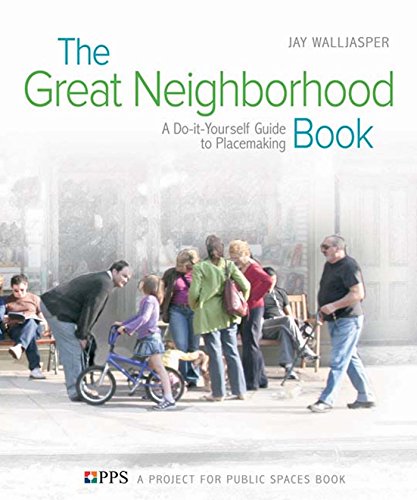
Discover the transformative power that emerges when ordinary people come together to strengthen the places where they live. This comprehensive guide explores how neighborhoods serve as the fundamental building blocks of a healthier, more connected society, and more importantly, how you can become an active participant in revitalizing your own community.
At its heart, this work addresses one of the most pressing disconnections in modern life: the erosion of genuine community bonds. In an era when many people barely know their neighbors' names, when suburban sprawl isolates us in our individual homes and cars, and when digital connections often substitute for face-to-face relationships, the case for intentional neighborhood building becomes increasingly urgent. Beyond mere nostalgia for simpler times, this exploration reveals how strong neighborhoods directly impact personal wellbeing, property values, safety, environmental sustainability, and overall quality of life.
The insights presented demonstrate that neighborhood vitality doesn't require dramatic interventions or depend on external authorities. Instead, transformation begins with understanding the dynamics that make some communities thrive while others languish. You'll explore proven strategies that everyday residents have successfully implemented across North America, from establishing community gardens and organizing block parties to creating tool libraries, starting neighborhood newspapers, and launching collaborative projects that address local concerns.
What makes this approach particularly valuable for personal empowerment is its recognition that building community is fundamentally about personal growth. As you engage with neighbors, navigate different perspectives, collaborate on shared goals, and contribute to something larger than yourself, you develop greater confidence, leadership skills, and a deeper sense of purpose. The book presents abundant examples of ordinary individuals who discovered unexpected talents and strength through neighborhood involvement. A shy person might find their voice through neighborhood activism. Someone struggling with isolation discovers genuine friendship. A parent seeking to raise children with stronger values finds like-minded families to support that vision.
The practical dimension cannot be overstated. Rather than offering abstract philosophy, this resource provides concrete, actionable strategies you can implement immediately. Whether you live in an urban apartment building, a suburban neighborhood, or a rural area, you'll find relevant ideas adapted to different settings and contexts. The guidance covers how to initiate conversations that actually matter, how to organize activities that draw participation, how to address conflict constructively, and how to sustain momentum when initial enthusiasm begins to wane. You'll learn what has worked elsewhere and why, allowing you to adapt these approaches to your unique situation.
Beyond practical strategies, the work emphasizes the spiritual and psychological dimensions of community connection. It explores how humans are hardwired for belonging and how the absence of genuine community contributes to depression, anxiety, and a vague sense of meaninglessness that many experience despite material comfort. Conversely, it illustrates how participation in neighborhood life provides structure, meaning, friendship, and a sense of contributing to something worthwhile. This isn't about forced socializing or obligatory involvement, but rather about intentionally creating the conditions where authentic human connection naturally flourishes.
The environmental perspective also permeates this exploration. Strong neighborhoods inherently support sustainability because neighbors share resources, reduce unnecessary consumption, encourage walking and biking rather than driving, and collectively advocate for local environmental improvements. Building community becomes a gateway to living more lightly on the planet while improving quality of life.
Perhaps most significantly, this guide counters the pervasive sense of powerlessness many feel toward larger social problems. While global challenges seem overwhelming and beyond individual influence, neighborhood-level engagement demonstrates that regular people genuinely can create positive change. This realization extends far beyond physical neighborhood improvements, fostering a sense of agency and optimism that transforms how people approach life overall.
Whether you're seeking to deepen connections, create meaningful change, develop leadership abilities, or simply experience greater belonging, this exploration of neighborhood vitality offers both inspiration and practical pathways forward.