













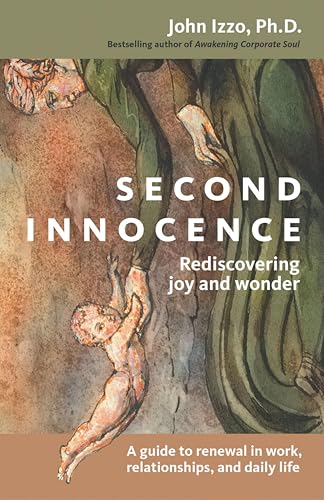

What if the economy could be designed to nurture human flourishing rather than extract value from it? What if the measure of economic success wasn't merely profits and growth, but the wellbeing of communities, the health of relationships, and the sustainability of our world? These are the revolutionary questions explored in this transformative exploration of how we can fundamentally reshape our economic systems to reflect our deepest human values.
The current economic paradigm has created a world of stunning contradictions. We live in societies of unprecedented material abundance, yet millions struggle with poverty, insecurity, and disconnection. Technology promises to liberate us, yet we feel increasingly trapped in systems that demand endless consumption and growth. The market economy, we're told, is the most efficient system ever created, and yet it systematically fails to account for what matters most: genuine human connection, meaningful work, environmental stewardship, and the simple dignity of community.
This groundbreaking work challenges the fundamental assumptions underlying modern capitalism and offers readers a vision of what becomes possible when we place human needs at the center of economic life. Rather than accepting the inevitability of our current system, the pages that follow demonstrate that economic life can be radically different—and better—when we align it with what we actually value as human beings.
Throughout this exploration, readers will discover the powerful concept of the social economy: a diverse ecosystem of cooperatives, credit unions, community development organizations, and other alternatives that prioritize people over profits. These aren't utopian fantasies or fringe experiments. They're real, functioning models that exist right now in communities around the world, proving that alternatives work. From worker cooperatives that provide genuine democratic participation in the workplace to credit unions that serve community members rather than distant shareholders, these initiatives demonstrate that business can be conducted with integrity and still thrive.
The journey through these pages illuminates how the social economy addresses the human hunger for meaningful work, authentic community, and economic security in ways that traditional capitalism often cannot. Readers will learn how cooperatives distribute wealth more equitably among workers, how mutual aid societies rebuild the fabric of community trust, and how social enterprises tackle social problems while generating revenue. These aren't marginal efforts—they represent billions of dollars in economic activity and employ millions of people globally.
Beyond simply describing alternatives, this work explores the philosophical and spiritual dimensions of economic transformation. It asks readers to consider what kind of world we're building through our daily economic choices and to recognize that we have far more agency in shaping that world than we typically acknowledge. The economic system isn't some immutable force of nature; it's a human creation, designed by people, and therefore can be redesigned by people.
Throughout this exploration, readers will encounter practical examples and case studies that bring these concepts to life. These concrete illustrations show how communities are already reclaiming economic power, building local food systems, developing cooperative housing, and creating economic institutions that reflect their values. Each example serves as an inspiration and a blueprint for what might be possible in your own community.
Perhaps most importantly, this work invites readers into a conversation about our collective future. It challenges the pervasive sense of helplessness many feel regarding economic issues and demonstrates that individuals, communities, and movements genuinely can create change. Economic transformation isn't something that happens to us; it's something we can actively participate in creating.
For anyone seeking deeper meaning in their economic lives, yearning for greater community connection, or simply wondering whether there might be a better way to organize our shared economic existence, this exploration offers both inspiration and practical direction for building an economy that genuinely serves human flourishing.