
















# Growing Food and Health from Your Own Garden: A Comprehensive Guide to Natural Cultivation
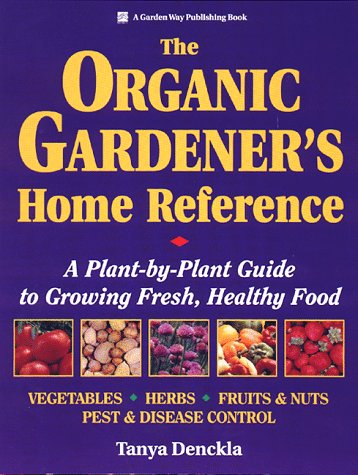
Discover how to transform your relationship with food by cultivating your own organic garden, right from your own backyard or even a small patch of earth. This comprehensive reference guide opens the door to understanding the profound connection between soil health, plant vitality, and human wellness. Whether you are a seasoned gardener looking to deepen your organic practices or a complete beginner ready to take your first steps toward food independence, this resource provides the practical knowledge and philosophical foundation necessary to succeed.
The journey toward organic gardening represents far more than simply avoiding chemical pesticides and synthetic fertilizers. It embodies a commitment to working in harmony with nature's cycles and systems, recognizing that your role as a gardener is to cooperate with natural processes rather than dominate or override them. This approach aligns beautifully with the broader personal growth and wellness consciousness that seeks balance, sustainability, and connection to the earth. By growing your own food organically, you participate in a form of active healing for both yourself and the planet.
Within these pages, you will find extensive guidance on fundamental gardening principles that lay the groundwork for success. Learn how to assess and improve your soil, understanding that healthy soil is the foundation of healthy plants. Discover the science and practice behind composting, one of the organic gardener's most powerful tools. You will explore how to create nutrient-rich compost from kitchen scraps and garden waste, transforming what might otherwise be discarded into black gold for your garden beds. This knowledge connects directly to reducing waste, another aspect of conscious living that supports both personal and environmental wellness.
The reference section covers an impressive range of vegetables, herbs, and fruits, providing specific guidance for growing each type successfully. Learn which crops thrive in your climate, when to plant them, how to care for them through their growing season, and when to harvest them at peak nutrition and flavor. Understanding these details means you will harvest produce at its nutritional peak rather than eating vegetables that have traveled thousands of miles and sat in storage for weeks. This directly impacts the nutritional value available to you and your family.
Pest management from an organic perspective receives thorough attention. Rather than reaching for toxic chemicals when problems arise, you will discover how to encourage beneficial insects, use companion planting strategies, and employ natural solutions to manage pests. This knowledge helps you maintain a garden ecosystem where predator and prey relationships keep populations balanced naturally. The garden becomes not just a source of food but a thriving mini-ecosystem that supports biodiversity.
The guide addresses seasonal considerations, helping you understand how to plan your garden year-round. Learn which crops to plant in spring and fall, how to extend your growing season, and which vegetables offer the most nutrition during different times of year. This seasonal awareness connects you more deeply to natural rhythms and patterns, fostering the kind of attunement to nature that many seekers value as part of their spiritual practice.
Beyond the technical aspects of growing food, this resource supports the profound personal transformation that often accompanies gardening. The regular contact with soil, the patience required as seeds germinate and plants grow, and the satisfaction of eating food you have nurtured yourself creates opportunities for mindfulness and presence. Gardening teaches resilience, as some plantings succeed while others face challenges. It demonstrates interconnection and interdependence, as you recognize your role within a larger web of life.
For those committed to health and wellness, growing your own food removes uncertainty about pesticide residues and growing conditions. You control exactly what goes into and onto the plants that nourish you. For those concerned with social consciousness and sustainability, gardening reduces your dependence on industrial agriculture and food systems. It represents a tangible step toward greater self-sufficiency and a lighter ecological footprint.
This practical guide serves as your companion as you embark on or deepen your organic gardening journey, offering the knowledge and confidence to grow abundant, nutritious food while connecting more fully to the natural world.