



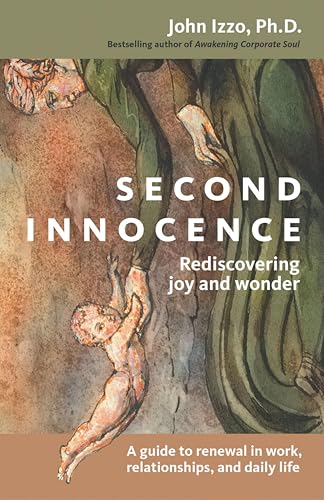
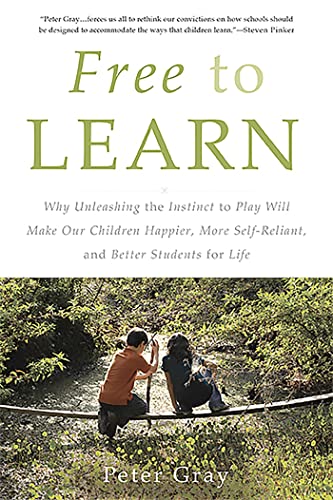


Discover a transformative exploration of consciousness and human potential that challenges conventional assumptions about how we navigate our existence. This groundbreaking work delves into the paradoxical nature of awareness and control, revealing that much of what we believe shapes our destiny actually operates beneath our conscious perception.
The fundamental premise centers on a liberating yet unsettling truth: we are far less in control of our lives than we imagine, yet paradoxically, this realization becomes the gateway to genuine empowerment. Rather than a pessimistic conclusion, this perspective opens doorways to understanding how authentic change occurs when we stop struggling against invisible forces and instead align ourselves with deeper patterns of existence.
Throughout these pages, readers encounter a sophisticated examination of what truly drives human behavior and outcomes. Most people operate under the illusion that their conscious mind orchestrates their decisions and directs their life path. They believe they understand their motivations, consciously choose their reactions, and deliberately shape their circumstances. This work systematically explores how these assumptions frequently lead us astray, creating frustration and disappointment when reality refuses to conform to our conscious intentions.
The exploration moves beyond simple acknowledgment of the unconscious mind that psychology introduced decades ago. Instead, this investigation ventures into territory that integrates insights from various wisdom traditions, contemporary psychology, and practical life experience. The synthesis reveals that successful living requires us to develop a fundamentally different relationship with ourselves and our agency in the world.
One of the most valuable contributions this work offers is a clear framework for distinguishing between the illusion of control and genuine influence. Readers learn why willpower and determination alone often fail to produce lasting change, despite their reputation as reliable tools for personal transformation. The disconnect between our conscious goals and actual outcomes becomes understandable not as personal failure but as a natural consequence of misunderstanding how change actually happens.
The practical implications are substantial. When individuals grasp the invisible dynamics influencing their choices and circumstances, they can work with reality rather than against it. This shift in approach transforms personal development from a battle of will against resistance into a dance with deeper currents of causation. Those seeking to overcome ingrained patterns, break repetitive cycles, or achieve meaningful transformation discover why previous efforts may have stalled and how to proceed more effectively.
Central to the material is an exploration of how our conditioned beliefs, unconscious patterns, and unexamined assumptions create invisible boundaries around what we believe possible. We literally cannot see opportunities beyond these self-imposed limits because our perception is filtered through our fundamental beliefs about reality and ourselves. This insight alone, when truly integrated, can become revolutionary for readers struggling with plateaus in their personal growth.
The book also addresses the spiritual dimension of this paradox. Many contemplative traditions have long pointed toward a similar truth: the egoic self that believes it controls everything is itself an illusion. Yet understanding this intellectually differs vastly from experiencing the liberation that comes from releasing rigid identification with the illusion of control. This work helps bridge that gap between intellectual understanding and embodied realization.
For readers committed to genuine transformation rather than superficial self-improvement, this exploration provides essential medicine. It acknowledges the frustration of applying conventional self-help wisdom without sustained results and offers a deeper framework for understanding why. More importantly, it charts a course toward working with our total nature rather than trying to impose our conscious will upon ourselves.
This is material for those ready to question their fundamental assumptions about agency, consciousness, and change, and to discover that beneath apparent limitations lies unexpected freedom.