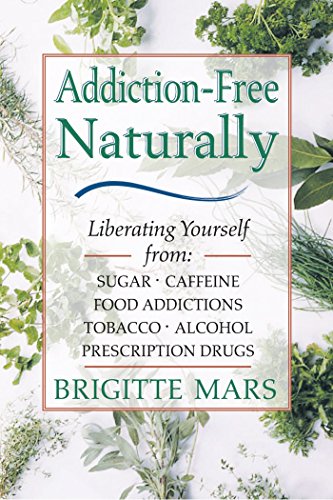




Addiction represents one of the most challenging obstacles to personal wellness and spiritual growth, affecting millions of individuals and their loved ones across all demographics and social backgrounds. Rather than viewing addiction solely through the lens of disease or moral failure, this comprehensive guide explores the biological, emotional, and spiritual dimensions of dependency while offering practical, natural approaches to recovery that work in harmony with the body's own healing intelligence.
The foundation of this work rests on understanding that addiction—whether to substances, behaviors, or patterns—develops as the body and mind seek to fulfill unmet needs, manage trauma, or escape unbearable emotional states. By addressing root causes rather than merely treating symptoms, individuals can discover genuine pathways toward freedom that feel sustainable and aligned with their deeper values. This holistic perspective acknowledges that true healing requires nourishing all aspects of human existence: physical health, emotional resilience, mental clarity, and spiritual connection.
The book delves into the physiological mechanisms underlying addiction, explaining how substances and behaviors alter brain chemistry and create patterns of craving and dependency. However, it doesn't stop at clinical explanation. Instead, it empowers readers with knowledge about how the nervous system can be recalibrated, how nutritional deficiencies can amplify addictive impulses, and how natural compounds and practices can support the body's own capacity to restore balance. Understanding these mechanisms helps individuals recognize that addiction isn't a character flaw or permanent condition but rather a symptom indicating that something deeper requires attention and care.
Nutritional approaches receive particular emphasis throughout the exploration. The guide illuminates how specific vitamins, minerals, amino acids, and herbal remedies can address the biochemical imbalances that fuel addictive cravings. By nourishing the body properly, individuals often find that the intensity of their desires diminishes naturally, without requiring willpower alone to resist temptation. This biochemical support proves especially valuable during withdrawal phases when the body is recalibrating its chemistry. Readers discover which foods, supplements, and botanical preparations can ease physical symptoms while promoting the neurological healing necessary for lasting recovery.
Beyond nutrition, the work explores time-honored healing practices that cultures worldwide have used to support transformation and restore wholeness. Meditation, breathwork, movement practices, and other contemplative approaches help individuals develop the internal stability and self-awareness necessary to navigate recovery. These practices address the emotional and spiritual hunger that addiction attempts to fill, offering genuine sources of peace, meaning, and connection. By establishing these healthier ways of soothing oneself and accessing altered states of consciousness, individuals can satisfy the underlying needs that drove their addictive patterns.
The guide also recognizes the crucial role of community, relationship, and purpose in sustained recovery. Isolation often perpetuates addictive cycles, while meaningful connection and purposeful engagement facilitate healing. Readers gain insight into how to cultivate supportive relationships, find community, and discover the sense of meaning that transforms life from mere survival into genuine thriving. Spiritual dimensions of recovery receive thoughtful attention, acknowledging that many individuals find strength through connection to something larger than themselves.
Practical, actionable guidance threads throughout every section. Rather than presenting abstract theories, the material offers specific protocols, remedies, lifestyle adjustments, and practices that individuals can implement immediately. This makes the wisdom accessible and applicable to real life, where commitment to recovery must integrate with daily responsibilities and relationships.
Ultimately, this resource offers hope grounded in both scientific understanding and ancient wisdom. It demonstrates that addiction need not be a life sentence and that natural approaches working with the body's inherent healing capacity can facilitate genuine, lasting freedom. For individuals seeking to transform their relationship with substances or behaviors, or for those supporting loved ones through recovery, this guide provides both inspiration and practical tools for reclaiming health, wholeness, and authentic living.