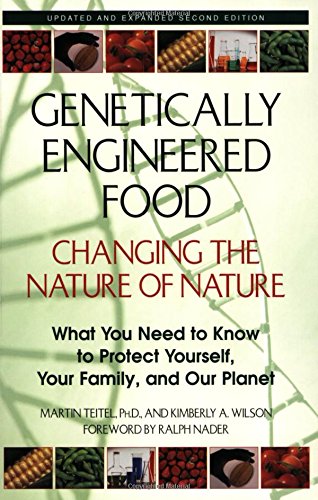





















The food we place on our tables each day carries stories we rarely pause to consider. Behind the convenience of modern agriculture lies a profound transformation that has quietly reshaped what we eat and how it's grown. This exploration delves into one of the most significant yet underappreciated developments in contemporary civilization: the genetic modification of crops and its far-reaching implications for human health, environmental integrity, and democratic governance.
For most consumers, the relationship with food ends at the supermarket checkout. Yet the decisions about what gets planted, how it's engineered, and whose interests are served in these choices represent some of the most important political and social questions of our era. This examination challenges readers to look beyond marketing claims and regulatory assurances to understand the genuine landscape of agricultural biotechnology. What are the real risks? Who benefits most from these technologies? What do we still not know? These are questions that deserve serious consideration by anyone invested in personal health and social wellbeing.
The narrative presented here traces how genetic engineering in agriculture emerged from scientific laboratories and transformed into a dominant force in global food production. Rather than accepting the technological imperative that newer always means better, this analysis encourages critical thinking about the motivations driving these innovations. Corporate interests, patent law, regulatory capture, and the concentration of agricultural power form the backdrop against which genetically engineered foods have proliferated. Understanding these power dynamics becomes essential for anyone seeking to make informed choices about their own consumption and to participate meaningfully in democratic decisions about our collective future.
One crucial dimension explored throughout this material concerns the evidence regarding safety and health. While proponents of genetic modification assert that these foods are thoroughly tested and essentially equivalent to conventional crops, a more nuanced picture emerges upon careful examination. The book presents scientific concerns that mainstream sources often minimize or overlook entirely. Questions about long-term health effects, allergenicity, and unintended consequences of genetic manipulation deserve serious contemplation. This isn't about fearmongering but rather about acknowledging gaps in our knowledge and recognizing that the absence of proven harm is not the same as proof of safety.
Environmental implications demand equal attention. The introduction of genetically modified crops has fundamentally altered agricultural practices, often intensifying chemical dependency and reducing biodiversity. These changes ripple through ecosystems in ways we are only beginning to understand. The potential for genetic drift, the emergence of herbicide-resistant weeds, and the vulnerability created by genetic uniformity represent serious ecological concerns that extend beyond individual farms to affect the resilience of our entire food system.
Perhaps most importantly, this exploration addresses the democratic deficit at the heart of agricultural biotechnology. Major decisions about what we eat have been made largely behind closed corporate doors and regulatory agencies influenced by industry interests. The public has had minimal input into these choices that affect everyone. For those concerned with deepening democracy and ensuring that technological development serves human flourishing rather than narrow corporate profits, understanding how genetically engineered foods were introduced without meaningful public consent becomes essential.
This material also provides practical information for readers seeking to navigate their own food choices more consciously. Understanding labels, recognizing which crops are most commonly modified, and considering alternatives empowers individuals to align their consumption patterns with their values. Moreover, learning about resistance movements, successful alternatives, and the growing demand for transparency and accountability demonstrates that change remains possible.
Ultimately, this examination connects personal health choices to broader questions about power, justice, and the kind of world we are collectively creating. It invites readers to consider their role as citizens and consumers, recognizing that the food system is not an inevitable force of nature but rather the product of human choices that can be questioned, challenged, and transformed. By deepening understanding of what lies behind our food, we reclaim agency in shaping a more conscious, healthy, and equitable future.