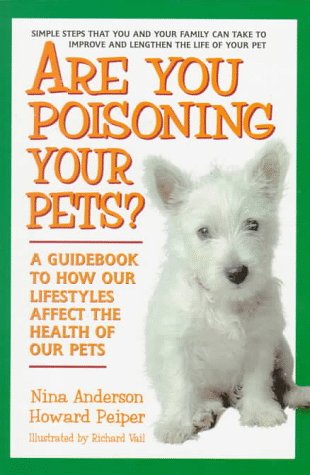














Our beloved animal companions depend entirely on us for their health and safety. Yet many well-intentioned pet owners unknowingly expose their cats, dogs, and other animals to dangerous substances every single day. The products we bring into our homes, the food we serve, and the treatments we administer often contain hidden toxins that accumulate in our pets' bodies over time, potentially causing serious illness and premature death.
This comprehensive guide opens your eyes to the surprising sources of poisoning that lurk in seemingly innocent places throughout your home and garden. You'll discover which common household products pose the greatest risks, how toxins enter your pet's system, and the warning signs that indicate your animal may be suffering from chemical or nutritional poisoning.
Understanding Pet Vulnerability
Pets metabolize substances differently than humans do. Their smaller body size means that even tiny amounts of toxic materials can produce dangerous concentrations in their systems. Additionally, many animals lack the liver enzymes necessary to break down certain chemicals that humans process relatively easily. What seems harmless to us can be lethal to them. This physiological reality makes it essential for pet owners to understand the specific vulnerabilities of their animal companions and take appropriate precautions.
Common Hidden Dangers
The exploration of household toxins reveals surprising culprits. Commercial pet foods often contain additives, preservatives, and fillers that manufacturers never intended for long-term consumption. Flea and tick treatments, while marketed as safe, contain pesticides that accumulate in fatty tissues. Household cleaning products, pesticides used on lawns and gardens, air fresheners, and even certain houseplants pose significant risks. Medications prescribed for other family members, human foods we consider healthy, and seemingly benign grooming products can all trigger toxic reactions in animals.
Many pet owners remain unaware that the very items they purchase specifically for their pets' care and comfort sometimes contain harmful substances. Understanding ingredient labels and recognizing marketing language that obscures dangerous components becomes crucial for protecting your animal's long-term health.
Taking Control of Your Pet's Environment
This resource empowers you to take charge by examining every aspect of your pet's life with a critical eye. You'll learn how to evaluate commercial pet foods and treats, identify harmful ingredients, and understand which alternatives provide genuine nutrition without dangerous additives. The guide helps you reassess grooming products, medications, flea and tick prevention methods, and household items that could endanger your animal.
By becoming aware of these hidden dangers, you transform from a passive consumer accepting whatever manufacturers produce to an informed caregiver making deliberate choices that protect your pet's health. This shift in consciousness extends beyond pet care into a broader understanding of how chemicals infiltrate our entire lives and affect all living beings in our homes.
Why This Knowledge Matters
Our pets cannot advocate for themselves or choose their food and environment. They trust us completely. When they develop mysterious illnesses, behavioral problems, or decline in health, the causes often trace back to cumulative toxic exposure that we inadvertently allowed. By understanding these connections, you prevent unnecessary suffering and potentially add years of vibrant health to your animal's life.
This information represents a form of spiritual responsibility toward the creatures who share our homes and give us unconditional love. It reflects a deeper commitment to conscious living and mindful choices that honor all beings under our care.