













Astrology has long served as a mirror for self-discovery, offering insights into our deepest patterns, challenges, and potentials. Yet many people exploring this ancient wisdom find themselves overwhelmed by the complexity of natal charts, progressions, and transits. What if there were a way to unlock the profound meaning hidden within the geometric relationships between celestial bodies? This exploration into astrological dynamics reveals how the angular conversations between planets hold keys to understanding our psychological development, relationship patterns, and life trajectories.
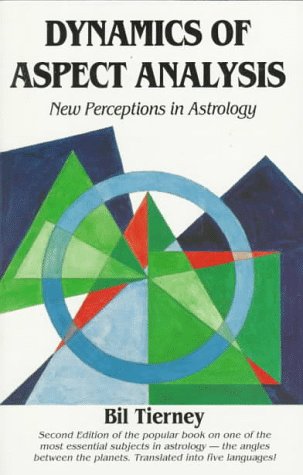
The interplay between planets—what astrologers call aspects—creates a sophisticated language through which we can read our personal stories. These angular relationships form the fundamental grammar of how planetary energies communicate within our consciousness. Rather than viewing planets as isolated forces, this approach recognizes them as characters in an ongoing dialogue, each conversation shaped by the precise angle between them. When we learn to interpret these conversations fluently, we gain unprecedented access to our own psychological landscape and the forces shaping our life experiences.
One of the most transformative realizations that emerges from this study is understanding how aspects form the foundation of personality structure. The distances between planets at birth create a unique configuration that influences how different parts of ourselves interact. A harmonious angle between two planetary energies suggests ease and natural integration between those qualities. A challenging angle, by contrast, often indicates an area where we experience internal friction—a creative tension that, when properly understood, becomes a source of tremendous growth and strength. Many people discover that what they've experienced as personal flaws or limitations are actually misunderstood aspects seeking expression and integration.
Through deeper comprehension of these planetary dynamics, readers begin recognizing recurring patterns in their lives. Why do the same relationship challenges appear repeatedly? Why does career advancement seem to follow predictable cycles? The answers often lie in understanding how various planetary combinations within our chart create psychological signatures that play out across different life domains. This isn't fatalism; rather, it's clarity. With clarity comes choice, and with choice comes the possibility of conscious evolution.
The practical applications of this knowledge extend throughout daily life. As we recognize our astrological patterns, we develop greater compassion for ourselves and others. That irritable family member or challenging colleague? Their chart likely shows similar tensions to ours, simply expressed through different life circumstances. This perspective naturally cultivates empathy and understanding, transforming how we navigate relationships. We begin seeing people's defensive behaviors and struggles not as personal attacks but as expressions of their own unintegrated aspects seeking wholeness.
Perhaps most significantly, this study illuminates the difference between being driven by unconscious patterns and consciously working with them. Many individuals experience their lives as happening to them—a series of repetitive situations, emotional reactions, and disappointing outcomes that seem beyond their control. Understanding astrological dynamics changes this fundamental orientation. When we recognize that our chart represents both our greatest challenges and our deepest gifts, we reclaim agency in our own development. The aggressive Mars aspect that creates workplace conflict becomes the courage needed to pursue authentic self-expression. The sensitive, withdrawn placement that creates social anxiety becomes the empathic capacity to profoundly help others.
This knowledge base also offers tremendous value for understanding life timing. Certain periods bring activation of particular planetary dynamics, creating windows when specific growth opportunities naturally present themselves. By recognizing these cycles, we stop fighting against our life's rhythm and instead learn to dance with it. Career transitions make sense. Relationship phases become comprehensible. Emotional seasons feel less random and more like chapters in a coherent narrative.
Ultimately, this exploration of planetary relationships serves as a bridge between cosmic intelligence and personal consciousness. It demonstrates that the universe isn't random or indifferent to our development, but rather that our individual existence participates in a vast, meaningful order. By learning to read and work with this order, we transform from passive observers of our lives into conscious co-creators of our destiny.