













# A Comprehensive Guide to One of Women's Most Important Health Decisions
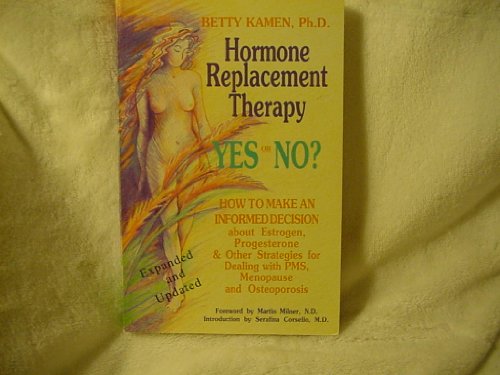
At some point in their lives, many women face a crossroads that will significantly impact their health, vitality, and quality of life. The decision about hormone replacement therapy represents far more than a simple medical choice—it's a deeply personal consideration that touches on fundamental questions about aging, health, femininity, and what it means to live fully in a changing body. This exploration provides the information, perspective, and critical thinking tools necessary to navigate this pivotal decision with confidence and clarity.
The menopausal transition is one of the most transformative experiences a woman can undergo, bringing with it a cascade of physical, emotional, and psychological changes. Hot flashes, night sweats, mood fluctuations, sleep disruption, and bone health concerns can seem overwhelming and isolable. Yet many women have been told that hormone replacement therapy is either a miracle solution or something to be avoided at all costs. The reality, however, is far more nuanced. To make an informed decision that honors your individual health profile, values, and life circumstances, you need access to balanced, comprehensive information that goes beyond marketing claims and oversimplified recommendations.
This guide cuts through the confusion by presenting multiple perspectives on hormonal intervention during menopause. Rather than pushing a particular agenda, the exploration encourages readers to become informed participants in their own healthcare decisions. You'll discover how the female body changes during this transition, what hormones do and why they matter, and how different treatment approaches affect various body systems. The information presented acknowledges both the potential benefits and the legitimate concerns surrounding hormone supplementation.
One of the most valuable aspects of this exploration is its examination of the scientific evidence surrounding hormone replacement therapy. Rather than relying on anecdotal stories or marketing materials from pharmaceutical companies, you'll learn how to evaluate research, understand the difference between correlation and causation, and recognize when evidence is truly compelling versus when claims need further substantiation. This critical thinking approach empowers you to have more sophisticated conversations with your healthcare providers and to ask better questions about your own treatment options.
Beyond the medical information, the material addresses the emotional and spiritual dimensions of menopause and aging. Many women experience this transition as a crisis of identity, struggling with societal messages that equate youth with value. Yet menopause also represents an opportunity for renewal, deepened self-knowledge, and a reclamation of personal power. The guidance encourages readers to examine their feelings about aging, their body image, and their relationship with femininity as they make decisions about medical interventions.
The exploration also recognizes that women's bodies are not one-size-fits-all. Your personal health history, family medical background, current symptoms, lifestyle factors, and personal values all play a role in determining what approach makes sense for you. Someone with a family history of osteoporosis faces different considerations than someone with a family history of breast cancer. A woman managing multiple bothersome symptoms has different concerns than one experiencing minimal discomfort. The comprehensive approach presented here honors this individual variation rather than suggesting that one path is right for everyone.
Additionally, you'll explore complementary approaches and lifestyle modifications that can significantly impact menopausal symptoms without pharmaceutical intervention. Nutrition, exercise, stress management, and other natural approaches are examined not as alternatives to be chosen instead of conventional medicine, but as important components of a comprehensive wellness strategy. Many women find that supporting their health through these avenues reduces their symptoms enough to make the decision about hormone therapy feel less urgent or necessary.
Perhaps most importantly, this exploration supports your agency and autonomy in healthcare decision-making. Rather than deferring passively to medical authority or trusting only alternative practitioners, you're invited to integrate multiple sources of wisdom—scientific evidence, your body's signals, your intuition, your values, and professional guidance—into choices that feel genuinely right for you.
Read more â–Ľ