







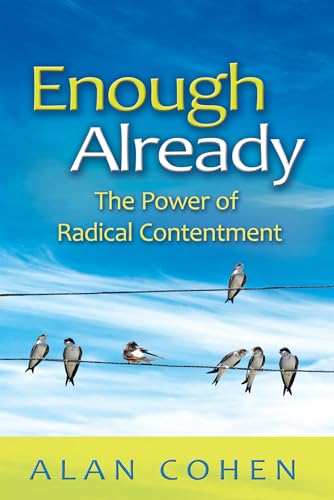






Explore a profound intersection of anthropology, spirituality, and human consciousness through an examination of how indigenous cultures have transformed material hardship into spiritual wisdom. This groundbreaking work invites readers into a contemplative space where famine and scarcity become teachers rather than mere sources of suffering, revealing the intricate ways that spiritual practices and belief systems emerge from and respond to life's deepest challenges.
The central inquiry of this work revolves around a question that resonates across cultures and centuries: How do human beings find meaning, purpose, and even transcendence when faced with the specter of hunger and material deprivation? Rather than approaching famine as a purely destructive force, this exploration honors the ways that indigenous communities have developed sophisticated spiritual frameworks that integrate scarcity into their understanding of existence, creation, and the sacred. Readers will discover that spiritual consciousness often deepens precisely when material abundance recedes, and that mindfulness emerges naturally from communities forced to carefully monitor and appreciate every available resource.
Central to this exploration is the recognition that spirituality is not merely an abstract or escapist response to hardship, but rather a pragmatic and deeply human adaptation that helps communities survive, cohere, and maintain dignity in the face of genuine existential threats. By examining the worldviews, rituals, and contemplative practices of cultures that have long contended with scarcity, the work reveals that indigenous peoples have developed sophisticated ways of understanding deprivation as both a natural feature of existence and a potential pathway to enlightenment. These perspectives challenge modern assumptions about what spiritual development requires and offer alternative models for understanding prosperity, gratitude, and meaningful living.
Readers seeking personal transformation will find invaluable lessons embedded within these cross-cultural investigations. The work illuminates how limiting one's focus to material acquisition and physical comfort may actually impede spiritual development, while voluntary or circumstantial simplicity can catalyze deeper awareness, stronger community bonds, and more authentic engagement with existence. For those navigating modern anxieties about scarcity, economic uncertainty, or the emptiness that sometimes accompanies material success, these insights offer both comfort and practical wisdom about reframing one's relationship with abundance and limitation.
The philosophical underpinning of this investigation rests on the understanding that human consciousness is not separate from material conditions, but deeply intertwined with them. Spiritual systems do not emerge in a vacuum; they develop in response to genuine human needs and environmental realities. By studying how particular cultures have spiritualized their relationship with scarcity, readers gain insight into the malleable nature of human consciousness and the tremendous capacity for meaning-making that characterizes our species. This recognition becomes especially powerful for contemporary readers confronting their own fears about insufficiency, whether material, emotional, or spiritual.
Additionally, this work contributes to crucial conversations about cultural respect, indigenous knowledge systems, and the limitations of Western frameworks for understanding human flourishing. Rather than romanticizing poverty or suggesting that hardship is inherently ennobling, the examination remains grounded in genuine anthropological study and respectful engagement with how particular communities have meaningfully integrated challenge into their spiritual worldviews. Readers will appreciate the nuanced approach that refuses both condescension and oversimplification.
The broader significance of this inquiry extends to contemporary social consciousness. As modern societies grapple with environmental limits, resource constraints, and the psychological toll of endless consumption, the spiritual wisdom embedded in cultures that have long practiced mindful scarcity becomes increasingly relevant. The work suggests that reimagining our relationship with limitation may offer pathways toward both personal peace and collective sustainability.
For readers committed to genuine personal growth, this exploration offers perspectives that can fundamentally shift how one approaches spirituality, materialism, gratitude, and the sacred dimensions of everyday existence. It demonstrates that wisdom often emerges from unexpected sources when we approach other cultures with genuine curiosity and openness.