# Understanding Your Relationship With Money: A Path to Financial and Emotional Wellbeing
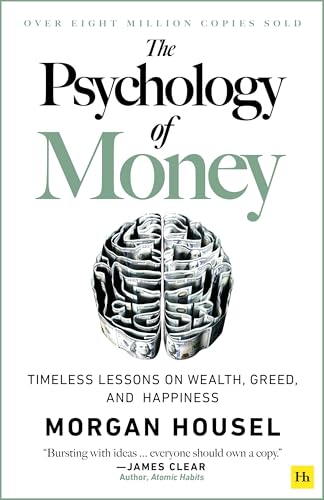
Money shapes nearly every aspect of our lives, yet most of us have never received genuine education about the psychological forces that drive our financial decisions. The gap between understanding financial mathematics and actually managing money wisely isn't about intelligence or complexity—it's about psychology. This exploration reveals how deeply personal beliefs, childhood experiences, fears, and aspirations influence the money choices we make every single day.
Financial success isn't primarily a technical problem to be solved through formulas or strategies. Instead, it emerges from understanding ourselves more deeply and recognizing the often-invisible psychological patterns that underlie our relationships with wealth, risk, security, and abundance. The real barrier to financial wellbeing lies in the stories we tell ourselves about money and the emotional wounds that drive irrational decision-making. When we examine these patterns with honesty and compassion, we open pathways to genuine transformation.
Throughout this exploration, you'll discover why two people with identical incomes can experience completely different financial outcomes. The answer isn't that one person is smarter or more disciplined. Rather, they possess different psychological frameworks about money, risk tolerance, and what constitutes enough. These frameworks were largely established long before they earned their first paycheck, shaped by family dynamics, cultural messages, and personal experiences that taught them specific lessons about wealth and scarcity.
The concept of "enough" proves particularly illuminating. Many people pursue wealth without ever defining what would constitute sufficiency in their lives. This undefined goalpost creates perpetual dissatisfaction and the relentless pursuit of more, even when additional wealth brings no genuine improvement to quality of life or happiness. Understanding your personal definition of enough becomes a liberating act of self-knowledge that can transform your relationship with money entirely.
You'll examine how optimism and pessimism shape financial decision-making in ways that pure data cannot explain. During bull markets, even intelligent people often abandon caution and embrace risk with dangerous enthusiasm. During downturns, fear overcomes rational thinking, and people sell investments at precisely the wrong moment. These aren't failures of intellect but predictable psychological responses to uncertainty. Recognizing these patterns in yourself allows you to make more intentional choices rather than reactive ones driven by emotion.
The role of luck and randomness in financial outcomes deserves serious consideration. While personal effort and wise decision-making matter tremendously, every individual's financial trajectory includes elements of circumstance beyond their control. Born into poverty or privilege, experiencing economic booms or recessions during critical life stages, inheriting resources or debt—these factors profoundly shape outcomes. Acknowledging luck's role isn't about diminishing personal responsibility but rather about developing appropriate humility regarding both successes and failures.
This examination also addresses how personal finance reflects deeper questions about identity, security, and meaning. Money anxieties often mask deeper fears about worthiness, acceptance, and survival. A person's spending patterns frequently reveal what they believe they deserve and what they're trying to prove to themselves or others. By bringing consciousness to these patterns, you can make choices that genuinely align with your values rather than unconsciously replaying old patterns.
The concept of historical context matters profoundly. Each generation experiences different economic conditions, inflation rates, investment returns, and opportunities. What worked financially for previous generations may not apply to current circumstances. Understanding that financial wisdom isn't universal but contextual allows you to make decisions appropriate to your specific life circumstances rather than blindly following advice designed for different conditions.
Ultimately, becoming financially healthy requires becoming psychologically healthy in specific ways. This journey invites you to examine your beliefs about money with curiosity rather than judgment, to understand the origins of your financial behaviors, and to make conscious choices that reflect your authentic values rather than inherited fears or external expectations. This inner work creates the foundation for genuine financial wellbeing and lasting peace around money.