




















Happiness & Success
Achieving Happiness Through Acceptance of Life
The quest for happiness often leads to frustration, as many fail to realize that the...

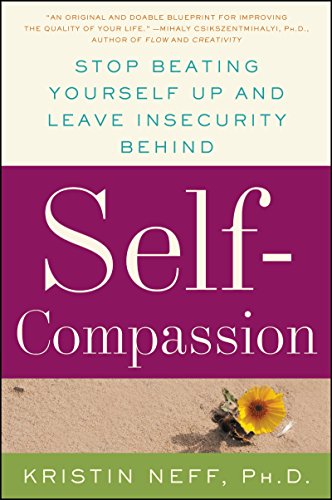
When you think about nurturing relationships, chances are you focus on how you treat others—listening with empathy, offering forgiveness, providing encouragement during difficult times. But there's one crucial relationship that often gets overlooked: the one you have with yourself. The quality of this fundamental relationship influences every other connection in your life, yet most people treat themselves with a harshness they would never direct toward a friend or loved one.
This groundbreaking work introduces a transformative approach to self-relating that draws on both cutting-edge psychological research and ancient contemplative traditions. Rather than pursuing the elusive goal of high self-esteem, which requires constant self-evaluation and comparison with others, readers discover a more stable and compassionate way of relating to themselves—one that remains steady even during failure, inadequacy, or personal struggle.
The core premise challenges the prevailing cultural belief that being harsh and critical with ourselves motivates positive change. Research presented throughout demonstrates the opposite: self-criticism actually undermines resilience, triggers defensive responses, and decreases motivation. When we attack ourselves for our shortcomings, we activate the same threat-defense system that responds to external attacks, flooding our bodies with cortisol and adrenaline. This physiological response makes it harder to see situations clearly, learn from mistakes, and move forward constructively.
Read more ▼
Gary Shteyngart, Adam Grupper, Ali Ahn

Lisette Schuitemaker
The quest for happiness often leads to frustration, as many fail to realize that the...

Reaching sixty can evoke complex emotions, blending relief with ongoing ambition. This...

The quest for life's purpose often leads to unsatisfactory answers. This article...

Romantic love is a complex emotion shaped by historical, cultural, and biological...

Imagine going through one of the most physically and emotionally demanding experiences...

Have you ever argued over something that wasn't actually said? From cultural differences...

Daily actions often conflict with personal beliefs due to past experiences. By utilizing...

Therapists often use dream interpretation to delve into patients' emotions, but true...