














Happiness & Success
Achieving Happiness Through Acceptance of Life
The quest for happiness often leads to frustration, as many fail to realize that the...

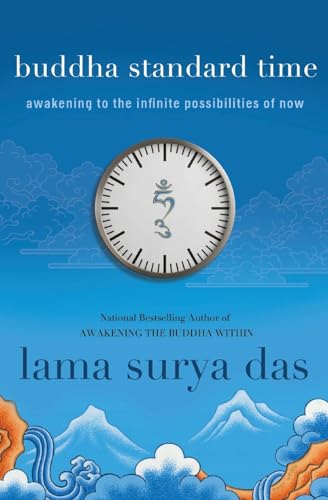
Time is one of our most precious resources, yet it often feels like our greatest adversary. We rush through our days, perpetually behind schedule, feeling harried and disconnected from the present moment. Ancient Buddhist wisdom offers a radical alternative to this modern predicament: a way of relating to time that transforms it from taskmaster to ally, from enemy to friend.
Drawing from decades of study with Tibetan masters and experience teaching Western students, this comprehensive guide presents a Buddhist approach to time management that goes far beyond productivity hacks and scheduling techniques. Instead, readers discover how to fundamentally shift their relationship with time itself, learning to live with greater presence, purpose, and peace regardless of external demands.
The central premise challenges our conventional understanding of temporal reality. Rather than viewing time as a scarce commodity to be hoarded and controlled, Buddhist philosophy reveals time as a fluid, subjective experience that can be expanded or contracted through the quality of our attention. When we bring full awareness to each moment, time paradoxically seems to slow down and become more spacious. Conversely, when we rush through our days on autopilot, hours and weeks vanish without leaving meaningful memories or accomplishments.
Read more ▼
Brian Stanfield

Richard Powers

Michael Pollan, Richie Chevat, Raul Nagore

Stuart C Yudofsky
The quest for happiness often leads to frustration, as many fail to realize that the...

Reaching sixty can evoke complex emotions, blending relief with ongoing ambition. This...

The quest for life's purpose often leads to unsatisfactory answers. This article...

Imagine going through one of the most physically and emotionally demanding experiences...

Romantic love is a complex emotion shaped by historical, cultural, and biological...

Daily actions often conflict with personal beliefs due to past experiences. By utilizing...

Have you ever argued over something that wasn't actually said? From cultural differences...

Therapists often use dream interpretation to delve into patients' emotions, but true...