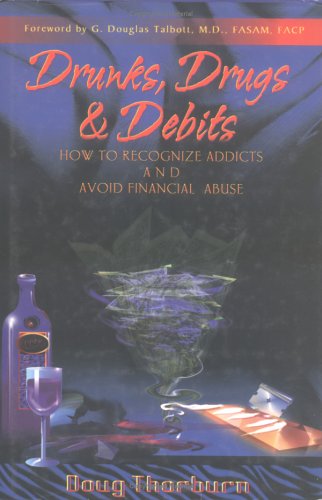















Substance abuse and financial mismanagement are two of the most destructive forces that undermine personal well-being and spiritual growth. Yet they remain topics shrouded in shame, denial, and misunderstanding. This compelling exploration cuts through the fog of addiction recovery literature to present a refreshingly honest perspective on how people develop unhealthy dependencies and, more importantly, how they can break free from them.
The central premise examined here challenges the comfortable narratives many of us have adopted about addiction. Rather than viewing substance abuse and financial recklessness as diseases entirely beyond personal control, this work encourages readers to examine the role that personal choice, accountability, and conscious decision-making play in both developing and overcoming addictive patterns. This is not a simplistic "just say no" approach, but rather a nuanced exploration of how individual agency intersects with behavioral patterns, emotional triggers, and the habitual choices that gradually erode our health, relationships, and financial security.
For those committed to genuine personal growth and spiritual development, understanding the mechanics of addiction becomes essential. Many people find themselves trapped in cycles where alcohol, drugs, or compulsive spending serve as temporary solutions to deeper emotional or spiritual voids. The book illuminates these connections, helping readers recognize how attempts to numb pain, escape reality, or fill internal emptiness through substances or spending ultimately deepen the very problems they're trying to solve. By examining these patterns with clarity and compassion, readers gain the tools to interrupt destructive cycles before they become entrenched.
One of the most valuable aspects of this exploration is its focus on the relationship between addiction and financial irresponsibility. Many people fail to recognize that the same psychological and behavioral patterns driving substance abuse also manifest in poor financial decisions. Both involve immediate gratification prioritized over long-term well-being, both involve denial about the true costs of behavior, and both reflect difficulty managing impulses and emotions. By examining how these issues intertwine, readers develop a more comprehensive understanding of their own patterns and where intervention becomes possible.
The material also addresses why traditional recovery approaches sometimes fail to address the root causes of addictive behavior. If we simply treat addiction as a disease requiring abstinence, without examining the underlying beliefs, emotional patterns, and behavioral habits that sustain it, we leave people vulnerable to relapse or substituting one addiction for another. True recovery requires understanding how we arrived at these patterns and developing the awareness and skills to make different choices going forward.
For individuals on a spiritual path, this work offers particular insight. Genuine spiritual development requires honest self-examination, willingness to take responsibility for our lives, and commitment to aligning our actions with our values. Addiction thrives in darkness and denial. As we bring conscious awareness to our patterns, acknowledge the role our choices play in creating our circumstances, and develop the discipline to act in accordance with our true desires rather than momentary impulses, we simultaneously advance both our personal recovery and our spiritual evolution.
The material presented here is particularly valuable for several groups: those struggling with substance abuse who feel trapped by conventional recovery narratives; family members trying to understand addictive behavior and establish healthy boundaries; professionals working in addiction recovery seeking a more nuanced perspective; and anyone engaged in serious personal development who recognizes that unexamined behavioral patterns will ultimately limit their growth.
What makes this exploration truly transformative is its balance between accountability and compassion. Acknowledging our role in creating our circumstances is not about shame or self-blame. Rather, it is deeply empowering because it means we possess the ability to create different outcomes. By understanding how we developed these patterns and recognizing that our choices matter, we reclaim agency over our lives and open pathways toward genuine healing and meaningful change.