














# Building Communities Through Collaborative Innovation: A Guide to Creating Inclusive Urban Spaces
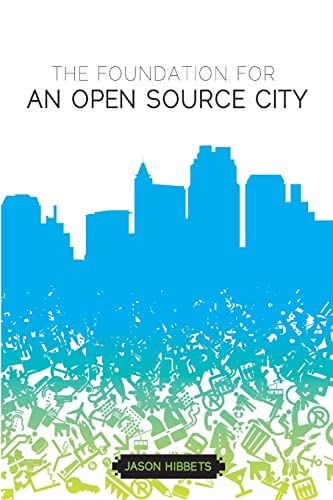
Discover how ordinary citizens can harness the power of open-source principles to transform their neighborhoods and cities into vibrant, collaborative communities. This groundbreaking exploration reveals practical strategies for reimagining urban development as a collective endeavor, moving beyond traditional top-down municipal planning to embrace a model where residents become active architects of their shared environment.
The vision presented here challenges the conventional understanding of city planning and community development. Rather than accepting cities as fixed entities managed solely by government agencies and corporate interests, this work demonstrates how communities can adopt the collaborative spirit that has revolutionized software development and apply it to the physical and social infrastructure of urban living. By embracing transparency, shared resources, and collaborative problem-solving, cities can become more responsive to the actual needs of their inhabitants.
Readers will discover the philosophical foundations that make this transformation possible. The open-source movement succeeded because it fundamentally trusts people to contribute meaningfully toward shared goals without traditional hierarchical control. This same trust and collaborative spirit can reshape how we think about public spaces, civic engagement, and community development. When residents are empowered to participate in decision-making rather than being passive consumers of predetermined urban designs, cities become more resilient, innovative, and genuinely responsive to community needs.
Throughout this exploration, you will encounter practical frameworks for initiating change within your own community. Whether you are an activist seeking to amplify grassroots voices, a concerned citizen wanting to make a tangible difference, or a community leader looking to foster greater participation, you will find actionable insights applicable to your context. The material covers how to build coalitions, leverage digital tools for coordination, establish transparent communication channels, and create structures that honor both individual contributions and collective wisdom.
The significance of this approach extends far beyond urban aesthetics. Communities that embrace collaborative development patterns tend to experience stronger social cohesion, greater economic resilience, and improved quality of life. When people feel genuine ownership in their surroundings and genuine influence over decisions affecting their lives, they become more invested in maintaining and improving those spaces. This creates a positive feedback loop where civic engagement naturally deepens, trust among neighbors strengthens, and local capacity for solving problems increases.
A crucial theme woven throughout this work is the democratization of knowledge and resources. Traditionally, urban planning expertise resided with credentialed professionals and government agencies, creating barriers for ordinary citizens to meaningfully participate in shaping their environment. By applying open-source principles, this expertise can be shared, demystified, and distributed throughout communities. When anyone can access planning information, contribute ideas, and learn from others' experiences, the collective intelligence of a community becomes vastly more powerful than any individual expert could be.
You will also explore how technology serves as an enabler rather than a solution in itself. Digital tools make it easier to share information, coordinate efforts, and maintain transparency, but the real transformation emerges from shifting power dynamics and establishing cultures of genuine collaboration. The most successful community transformations combine thoughtful use of technology with face-to-face relationships, participatory decision-making processes, and authentic commitment to honoring diverse perspectives.
This work speaks directly to our contemporary moment, where many people feel disconnected from decisions affecting their neighborhoods and increasingly skeptical that traditional institutions will address urgent community needs. By demonstrating that alternative models exist and that ordinary people possess the capacity to implement them, this exploration offers genuine hope and practical pathways forward.
For those seeking personal empowerment through community involvement, this material provides both inspiration and concrete tools. It shows how individual commitment to collaborative action, combined with thoughtful processes and shared resources, can catalyze meaningful transformation in the places where we live.