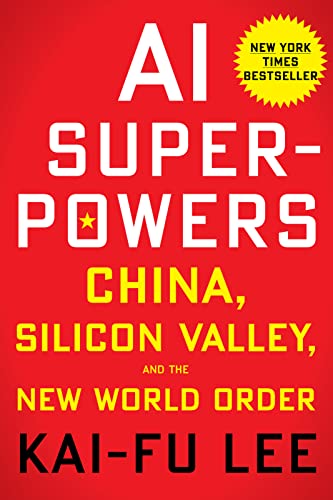














The rapid advancement of artificial intelligence represents one of the most transformative forces of our time, yet most people remain uncertain about what these changes mean for their lives, careers, and futures. A groundbreaking exploration of this technological revolution offers profound insights into how AI will reshape our world and, more importantly, how we can navigate these changes with intention and wisdom.
This comprehensive examination begins by establishing a crucial foundation: the geopolitical and technological race that has emerged between major world powers competing for AI dominance. Rather than presenting this as a distant concern for tech specialists, the work demonstrates how these global dynamics directly affect personal and professional opportunities available to individuals worldwide. The narrative traces the historical development of artificial intelligence, explaining how we arrived at this pivotal moment and why the coming years will be fundamentally different from anything humanity has experienced before.
One of the most valuable aspects of this exploration involves understanding the different types of artificial intelligence and their specific applications. Readers discover how machine learning, deep learning, and neural networks function in real-world contexts, from healthcare diagnostics to financial services to creative industries. This knowledge proves essential for anyone seeking to understand not just the technology itself, but the genuine capabilities and limitations of these systems. Many misconceptions about AI stem from either excessive hype or unfounded fears, and gaining accurate understanding allows for more grounded decision-making about personal and professional choices.
The work also addresses a question many people grapple with: what happens to human work and human purpose in a world where machines can perform increasingly sophisticated tasks? Rather than offering simplistic reassurance or doom-laden predictions, the discussion explores the actual transformation of the job market and the skills that will remain uniquely valuable. This examination proves deeply relevant for anyone concerned about their career trajectory or their children's future prospects. The insight provided here extends beyond abstract discussion to practical considerations about education, skill development, and the kinds of work that machines cannot easily replicate.
Perhaps most importantly, this exploration ventures into the philosophical and spiritual implications of living alongside intelligent machines. As artificial intelligence becomes increasingly capable of analytical and even creative tasks, fundamental questions emerge about human identity, purpose, and meaning. What makes human experience valuable? What unique contributions can only humans provide? These questions matter not just for futurists or philosophers, but for anyone seeking to understand their place in an evolving world and to develop a sense of purpose that transcends economic productivity.
The discussion also examines the potential societal disruptions that advanced AI could create, from economic inequality to the concentration of power among those who control AI technology. Understanding these challenges allows readers to engage more thoughtfully with their communities and to consider how they might contribute to ensuring that AI development benefits humanity broadly rather than concentrating advantages among the few.
What makes this exploration particularly valuable is its refusal to adopt an overly technical approach or a fatalistic stance. Instead, it presents AI as a force that humanity still has agency in shaping. The message throughout emphasizes that while technological change is inevitable, our response to it remains within our control. This perspective empowers readers to see themselves not as passive victims of technological progress but as active participants in determining how these tools will be used and what kind of future they will help create.
For anyone seeking personal empowerment in an age of rapid technological change, understanding artificial intelligence and its implications becomes essential. This knowledge allows for more informed choices about careers, education, and how to position oneself for meaningful contribution in an evolving landscape. Ultimately, this examination reveals that our greatest power lies not in competing with machines, but in focusing on uniquely human capabilities: emotional intelligence, ethical wisdom, creative vision, and the ability to connect deeply with other human beings.