
















Happiness & Success
Achieving Happiness Through Acceptance of Life
The quest for happiness often leads to frustration, as many fail to realize that the...

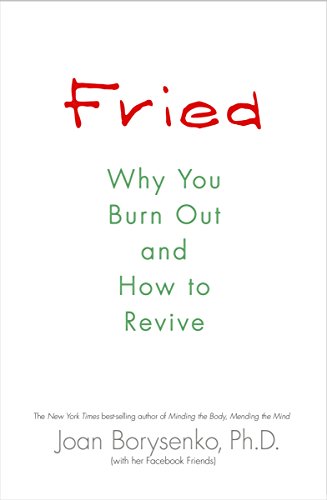
Burnout has become an epidemic in modern society, affecting millions who find themselves emotionally exhausted, cynically detached, and increasingly ineffective in both their professional and personal lives. This groundbreaking exploration delves deep into the science and spirituality of stress, offering a comprehensive roadmap for recognizing, understanding, and ultimately transcending the debilitating condition that robs so many of their vitality, joy, and sense of purpose.
Drawing from cutting-edge research in neuroscience, psychology, and mind-body medicine, this work illuminates how chronic stress literally changes our brain chemistry and physiology. When we remain in a perpetual state of fight-or-flight activation, our bodies and minds pay an enormous price. The hippocampus shrinks, affecting memory and learning. The amygdala becomes hyperactive, leaving us anxious and reactive. Our telomeres shorten, accelerating the aging process at a cellular level. Understanding these mechanisms isn't merely academic; it empowers readers to recognize the urgent need for change before reaching a point of complete collapse.
What makes this resource particularly valuable is its integration of scientific understanding with practical wisdom traditions. Rather than presenting burnout as simply a matter of working too hard or needing better time management, it reveals the deeper spiritual and emotional dimensions of this crisis. Many people experiencing burnout have lost touch with their authentic selves, spending years meeting others' expectations while neglecting their own needs, values, and deeper calling. The path to recovery requires more than just taking a vacation or delegating tasks; it demands a fundamental reexamination of how we live and what truly matters.
Read more ▼
Anadi Martel

Joanna Macy

A. Roger Ekirch, Roger A. Ekirch
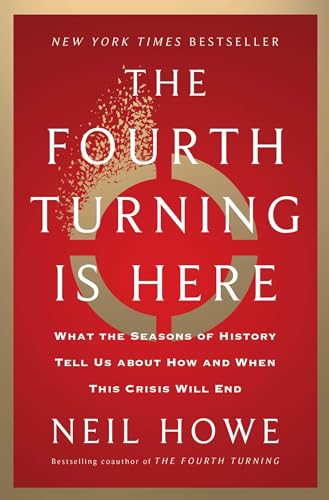
Neil Howe
The quest for happiness often leads to frustration, as many fail to realize that the...

Reaching sixty can evoke complex emotions, blending relief with ongoing ambition. This...

The quest for life's purpose often leads to unsatisfactory answers. This article...

Imagine going through one of the most physically and emotionally demanding experiences...

Romantic love is a complex emotion shaped by historical, cultural, and biological...

Daily actions often conflict with personal beliefs due to past experiences. By utilizing...

Have you ever argued over something that wasn't actually said? From cultural differences...

Therapists often use dream interpretation to delve into patients' emotions, but true...