












Happiness & Success
Achieving Happiness Through Acceptance of Life
The quest for happiness often leads to frustration, as many fail to realize that the...

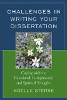
Completing a dissertation represents one of the most demanding intellectual and emotional journeys in academic life. Beyond the scholarly challenges lies a profound personal transformation that tests every aspect of your being: your resilience, self-belief, discipline, and ability to navigate uncertainty. This comprehensive guide addresses both the practical and deeply personal dimensions of the doctoral process, offering wisdom that extends far beyond academic writing into the realm of self-discovery and empowerment.
The dissertation journey forces confrontation with internal obstacles that may have remained hidden in other life pursuits. Perfectionism, procrastination, fear of failure, and impostor syndrome emerge with particular intensity during this extended project. Rather than dismissing these challenges as mere inconveniences, readers discover how to recognize them as opportunities for profound personal growth. The guidance provided illuminates how psychological and spiritual blocks manifest in writing difficulties, helping readers understand that their struggles are not signs of inadequacy but rather invitations to evolve.
One of the most valuable aspects explored involves understanding the emotional rollercoaster inherent in dissertation work. The alternating waves of confidence and doubt, inspiration and despair, momentum and stagnation become normalized as natural parts of the creative process. Readers learn to develop compassion for themselves during difficult phases while cultivating practices that sustain motivation across months or years of intensive work. This emotional intelligence proves invaluable not only for completing the dissertation but for navigating any long-term creative or professional endeavor.
Read more ▼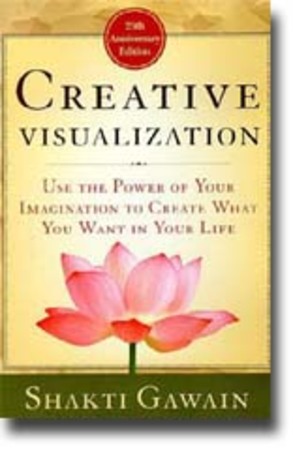
Shakti Gawain, Marci Shimoff

Dorothy Rowe, Fishwick Michael

Perkins, John
Liz Crocker, Polly Bennell, Holly Book
The quest for happiness often leads to frustration, as many fail to realize that the...

Reaching sixty can evoke complex emotions, blending relief with ongoing ambition. This...

The quest for life's purpose often leads to unsatisfactory answers. This article...

Imagine going through one of the most physically and emotionally demanding experiences...

Romantic love is a complex emotion shaped by historical, cultural, and biological...

Daily actions often conflict with personal beliefs due to past experiences. By utilizing...

Have you ever argued over something that wasn't actually said? From cultural differences...

Therapists often use dream interpretation to delve into patients' emotions, but true...