










Happiness & Success
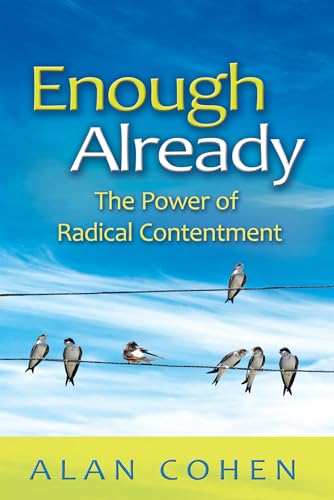
Achieving Happiness Through Acceptance of Life
The quest for happiness often leads to frustration, as many fail to realize that the...


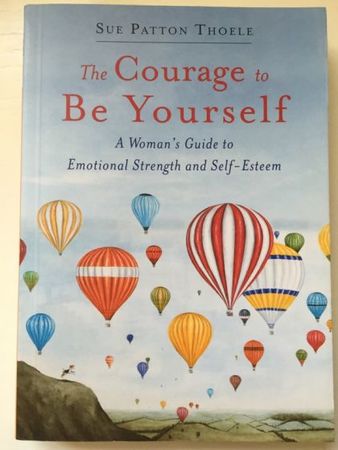
Learning to navigate criticism, rejection, and perceived slights without emotional devastation represents one of life's most valuable skills. When we find ourselves wounded by casual comments, excluded from social gatherings, or dismissed in professional settings, our reactions can spiral into self-doubt, anger, and damaged relationships. The journey toward emotional resilience begins with understanding why certain interactions trigger such powerful responses and developing practical strategies to protect our sense of self while remaining open and engaged with the world.
At the heart of emotional vulnerability lies a complex interplay between past experiences and present circumstances. Childhood wounds, unresolved conflicts, and deeply ingrained patterns of interpretation shape how we perceive and respond to everyday interactions. What might seem like an overreaction to an observer often represents the activation of old emotional wounds, where present situations unconsciously connect to painful memories of rejection, abandonment, or humiliation. Recognizing these patterns marks the first step toward breaking free from automatic defensive responses that keep us trapped in cycles of hurt and misunderstanding.
Within these pages lies a comprehensive exploration of the psychological mechanisms that cause us to internalize external events. Readers discover how projection works in relationships, learning to distinguish between what belongs to them and what truly originates with others. This crucial distinction empowers individuals to stop absorbing negativity that isn't theirs to carry while taking appropriate responsibility for their actual contributions to conflicts and misunderstandings. The framework provided helps identify when boundaries have been crossed versus when personal sensitivities have amplified neutral or ambiguous situations.
Read more ▼
Diane Christiansen

Richard Bach

Jason Louv
The quest for happiness often leads to frustration, as many fail to realize that the...

Reaching sixty can evoke complex emotions, blending relief with ongoing ambition. This...

The quest for life's purpose often leads to unsatisfactory answers. This article...

Imagine going through one of the most physically and emotionally demanding experiences...

Romantic love is a complex emotion shaped by historical, cultural, and biological...

Daily actions often conflict with personal beliefs due to past experiences. By utilizing...

Have you ever argued over something that wasn't actually said? From cultural differences...

Therapists often use dream interpretation to delve into patients' emotions, but true...